12 Styles to Consider Before You Start in Decorating your new house 2026

✔ Written & fact-checked by Sophie — last reviewed June 26, 2026
Why Picking a Style Before You Buy Anything Saves You Money
You are standing in your new place with a fresh can of paint in one hand and a Pinterest board full of conflicting ideas in the other. Maybe you just bought your first home. Maybe you are finally ready to make your rental feel like yours. Either way, the sheer number of popular interior design styles out there is enough to make you put the paint down and just leave the walls white. I get it. Looking at all the interior design styles 2026 has to offer without a filter is paralyzing. That is exactly why I put together these 12 decorating styles to consider before you start spending money. This is not a stuffy textbook list. It is a practical roadmap based on what designers are actually doing right now, so you can pick a direction that fits your life, your budget, and your personality.
1. Neo Deco: The Glamorous Maximalist Revival
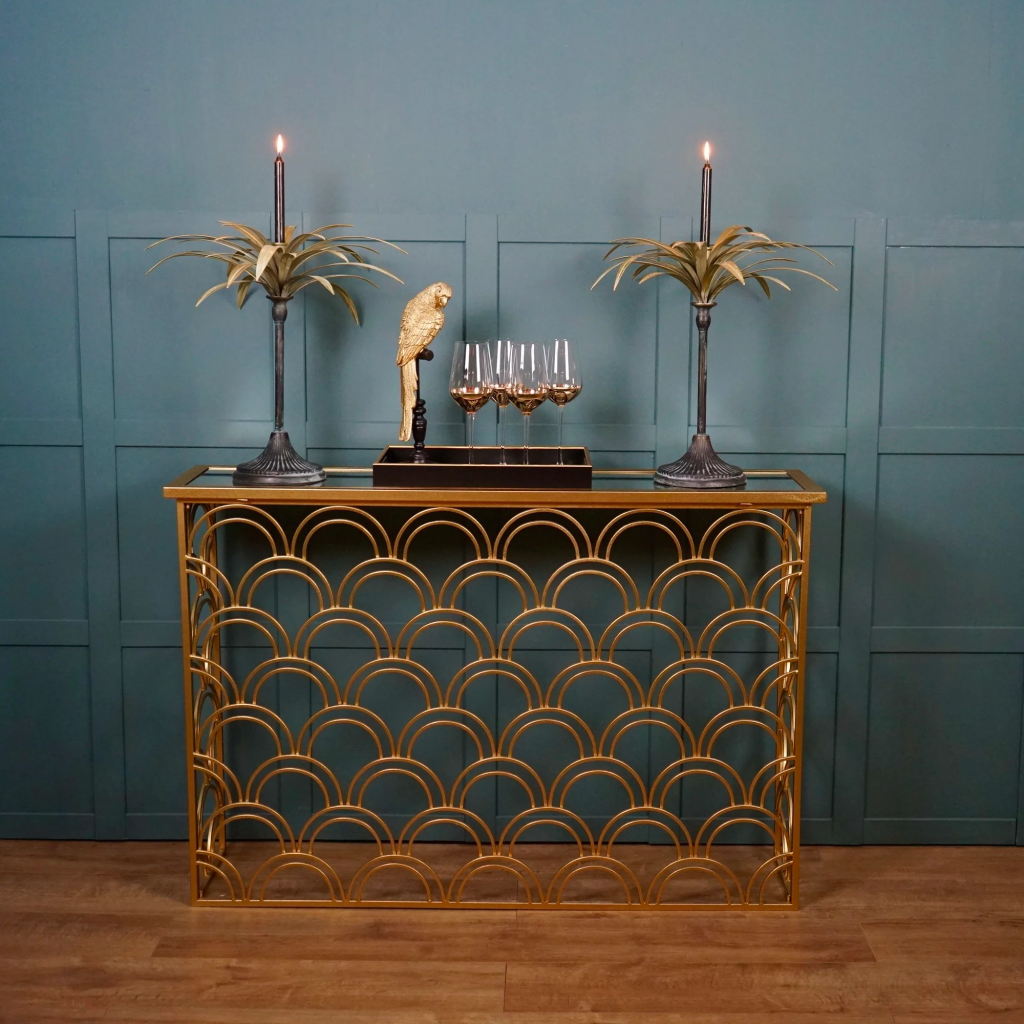
When you look at these 12 Decorating Styles to Consider Before You Start, Neo Deco is the one that makes the biggest visual splash. It is a modern take on 1920s Art Deco, and it is loud in the best way. Think geometric patterns, bold metallics, high-gloss finishes, and rich jewel tones like emerald green and sapphire blue. Architectural Digest named Neo Deco the designer-approved trend of 2026, so it has serious staying power. The 2026 version is not a museum recreation, though. You mix a glossy lacquer console with a simple contemporary sofa or a piece of global art to keep it feeling fresh. This style works for you if you love hosting, you crave drama, and you want your space to make a statement the second someone walks in. It is not for anyone who wants to blend into the background.
2. Collected Eclecticism: The Art of Personal Storytelling
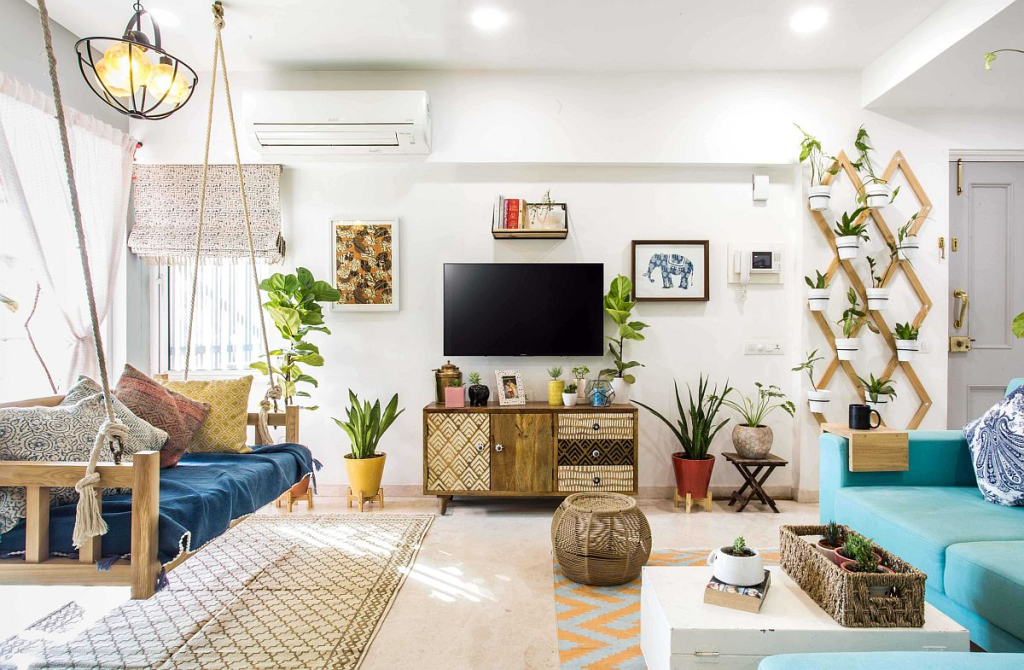
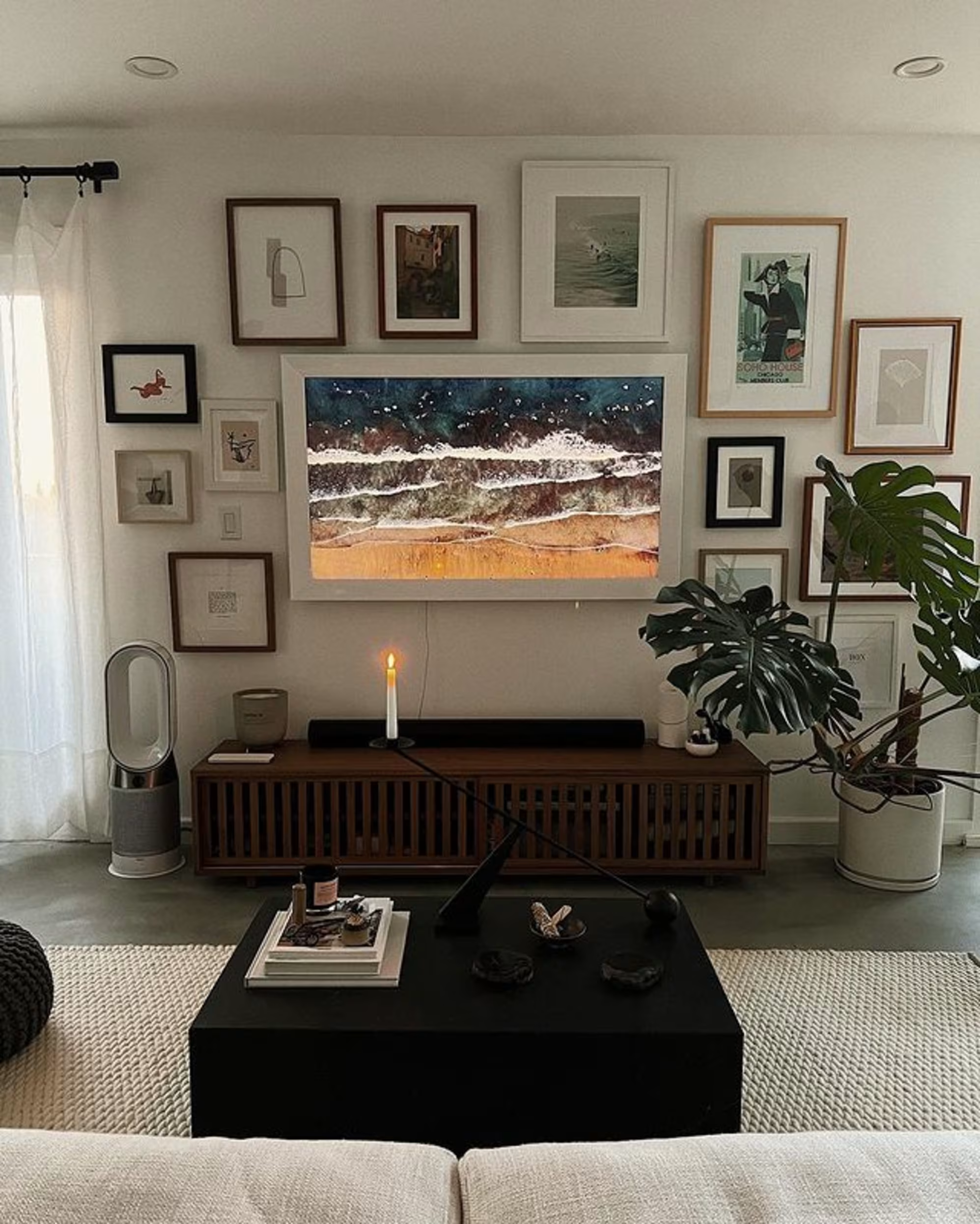
Unlike the strict visual rules of Neo Deco, the Collected Eclectic approach in our list of 12 Decorating Styles to Consider Before You Start is all about throwing out the rulebook. This is the most forgiving and personal style on this list. It is about layering pieces over time, blending eras, origins, and price points until the room just feels like you. Designer Powell put it perfectly in a recent Good Housekeeping piece when she said people want “materials that feel natural and lived-in rather than pristine,” like honed stone, textured plaster, aged wood, and linen with visible texture. The 2026 update here is what experts call “quiet global influence.” You might see a subtle Scandinavian chair next to a Moroccan rug and a piece of local pottery, but nothing screams a theme. This is perfect if you are on a budget because you can mix a thrift store find with something from IKEA or Wayfair and a single investment piece. It works for the traveler, the sentimentalist, and anyone who wants their home to tell a story.
3. Biophilic Maximalism: Lush, Life-Affirming Abundance
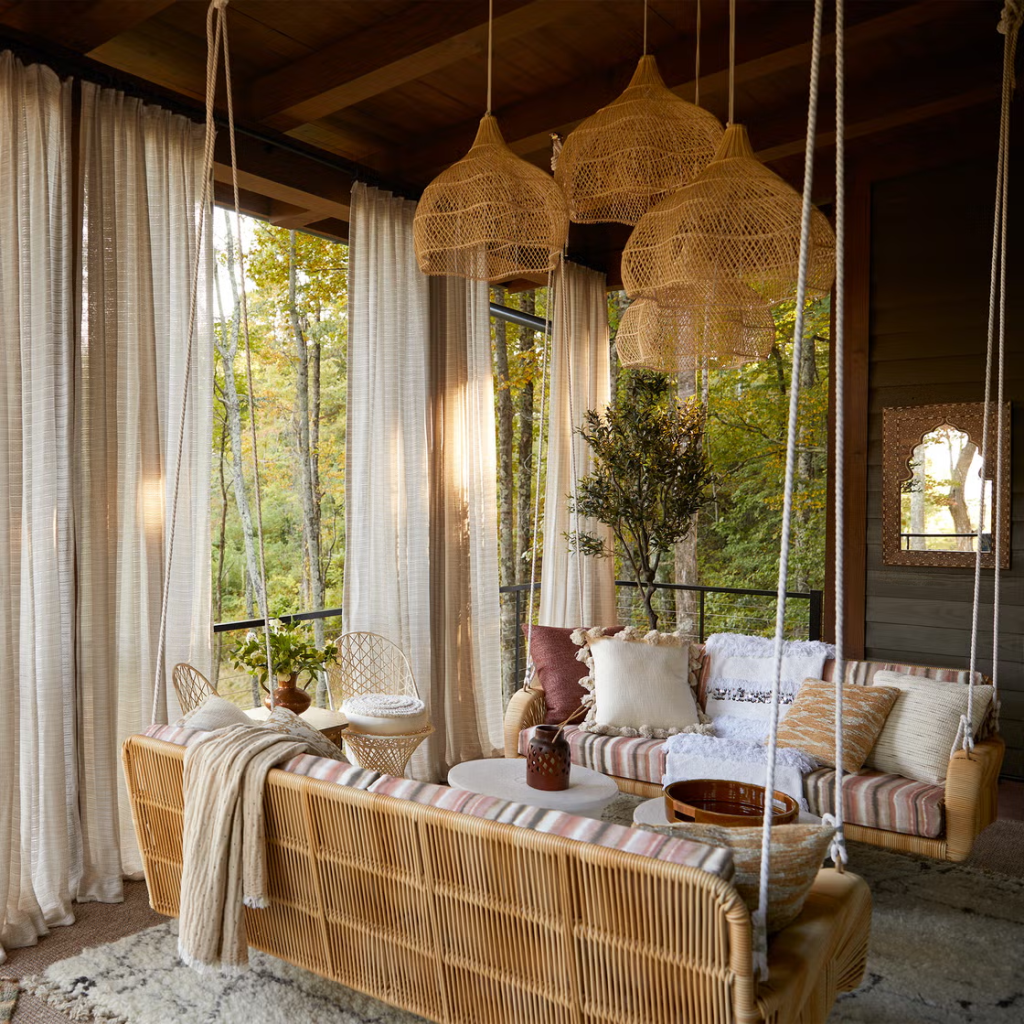
Biophilic Maximalism takes the idea of bringing nature inside and turns the volume all the way up. We are not talking about one fern on a shelf. This is an immersive environment with living walls, large-scale botanical prints, jute and rattan textures, organic furniture shapes, and earthy color palettes all layered together. A 2026 trend report from Picture Hang Solutions flagged this as a defining look for the year, describing it as a way to create spaces that feel like vibrant indoor gardens. This style directly answers the huge demand for wellness at home. It proves you can have a lush, plant-filled space that still feels designed and put-together. This is for you if you truly feel better around plants, if you love rich textures, and if stark minimalism makes you feel anxious rather than calm.
4. Soft Modernism: The Comfortable Evolution of Minimalism
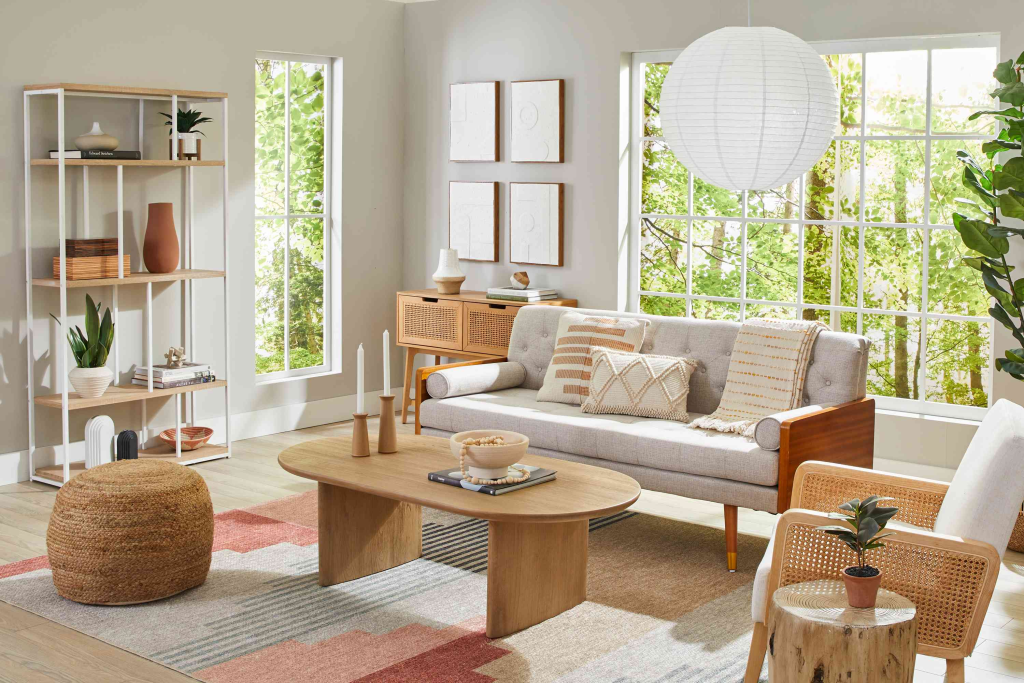
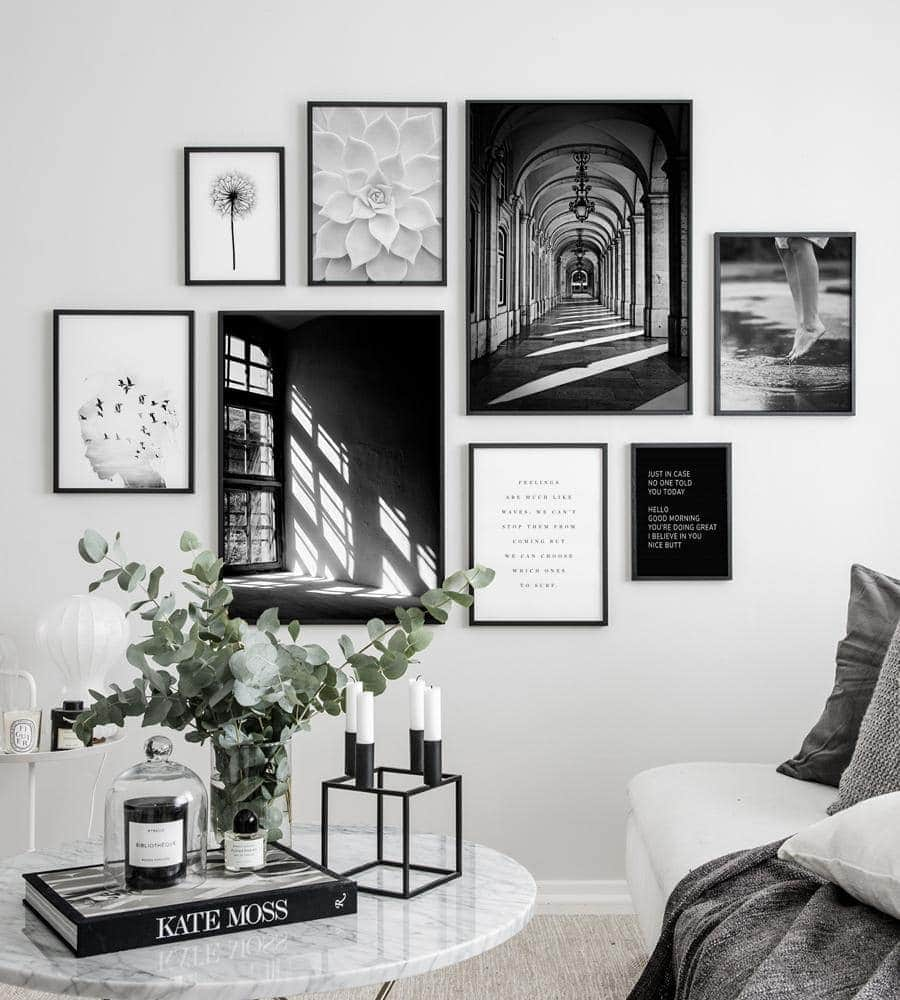
Soft Modernism is what happens when minimalism gets tired of being cold. It keeps the clean lines and simple forms but adds warmth, texture, and actual comfort. Think warm beiges and soft greys, plush fabrics like boucle and wool, curved furniture, and layered lighting. The surfaces stay uncluttered but they never feel sparse. This shift is a direct response to the era of stark, all-white rooms. Good Housekeeping’s trend report points to “soft silhouettes” and “tactile materials” like limewash and textured plaster as the reason minimalism is getting this 2026 makeover. The result is a room that feels calm without feeling empty. If you love the idea of minimalism but hate how sterile it can look, this is your answer. It is for the person who wants their home to feel like a hug, not a gallery.
5. Warm Industrial: Refined Grit with Soul
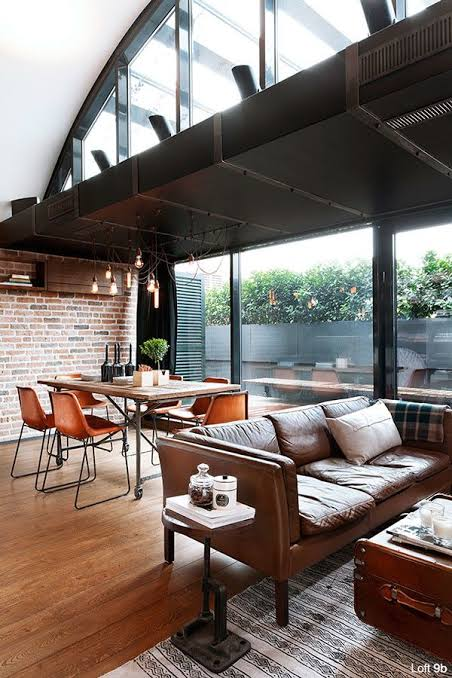
Warm Industrial takes the classic loft look of exposed brick and raw metal and makes it actually livable. The cold, all-grey industrial rooms of a few years ago are gone. In their place, designers are balancing those raw elements with warm woods, leather, vintage rugs, and muted earthy colors like terracotta and olive. Good Housekeeping’s 2026 report highlights the return of “rich wood tones” like walnut and medium stains along with “unlacquered metals” that develop a patina over time. This makes the style feel aged and collected instead of brand new and harsh. Warm Industrial works for urban dwellers, loft owners, or anyone who loves a space with visible history and a bit of an edge. You do not need an actual exposed brick wall to pull this off. You can get there with metal accents, wood finishes, and the right textures.
6. New Traditional: Classic Forms, Contemporary Spirit
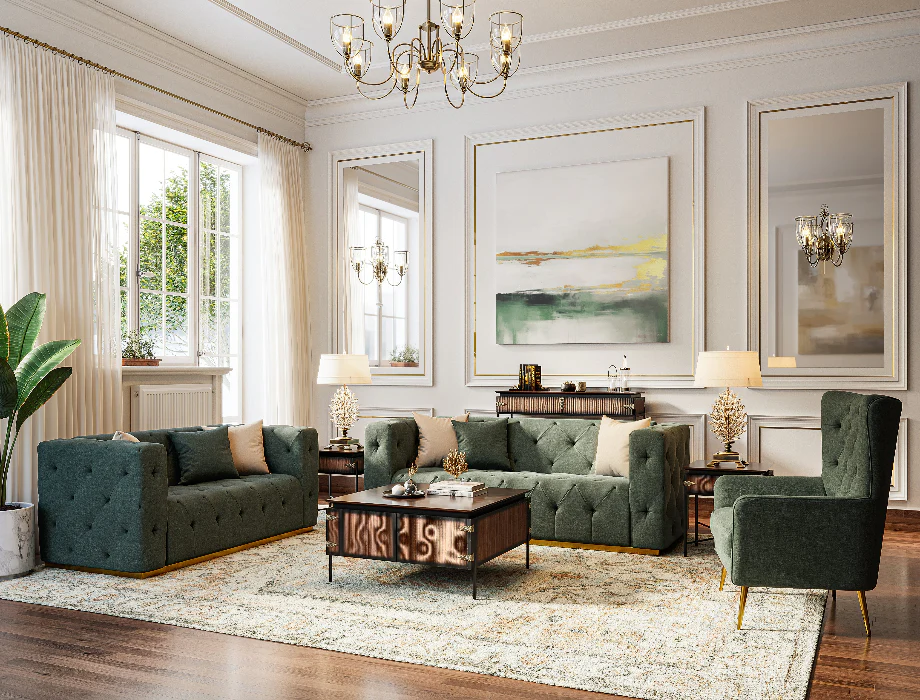
New Traditional takes the furniture shapes your grandmother might recognize and gives them a completely modern attitude. A rolled-arm sofa stays, but it shows up in a bold velvet instead of a dusty floral. A pedestal dining table stays, but it gets paired with abstract art instead of a still life painting. This style fits right in with the 2026 push for nostalgia and craftsmanship that Livingetc flagged as a major comeback direction. The idea is that you get the timeless bones of traditional design, the kind of proportions that just work, and then you personalize it with current colors, fabrics, and art. This is for you if you respect classic design but absolutely do not want your home to look like a period piece. It is also one of the smartest choices for a first home because these furniture silhouettes tend to hold their value and age well.
7. Coastal Grandeur: Elevated Shore Living
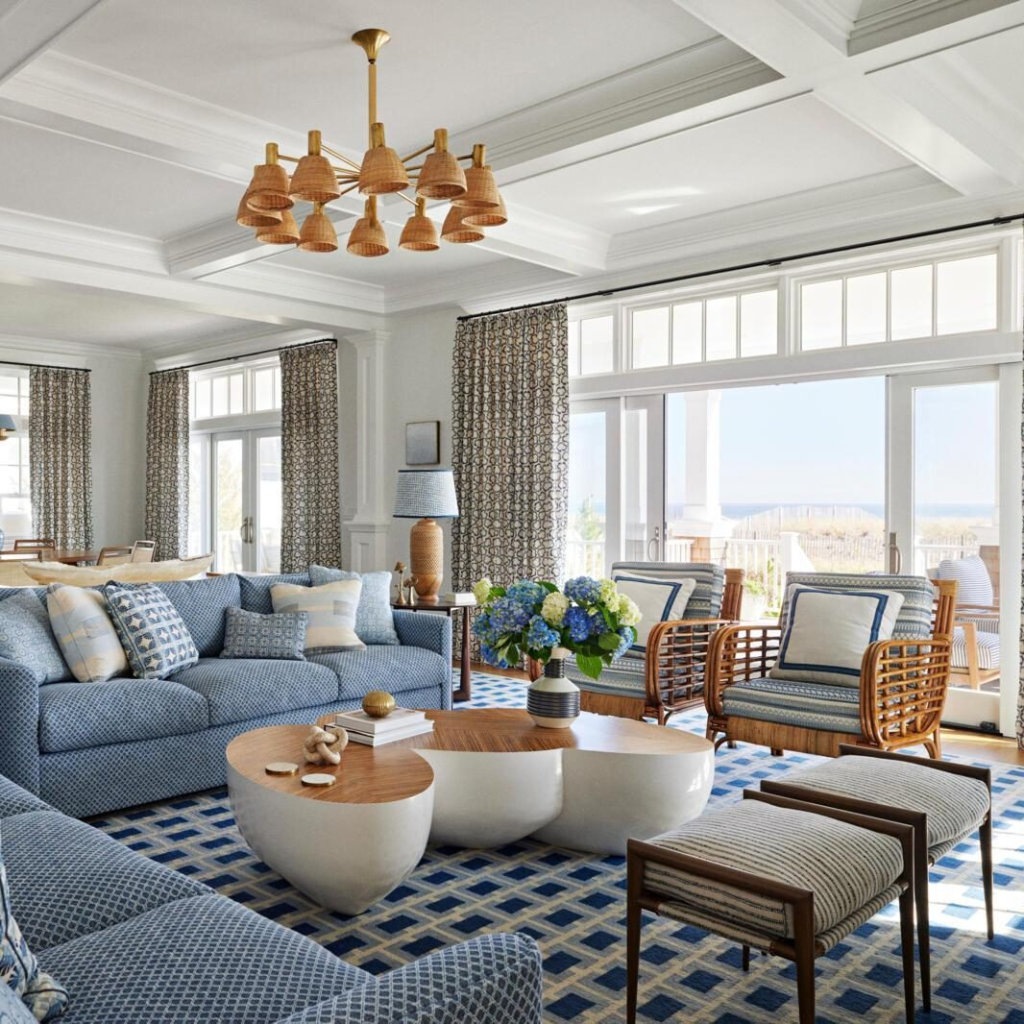
Coastal Grandeur is what happens when you outgrow the basic beach house look. Vogue Living lists Coastal and Hamptons as popular interior design styles that have real staying power, and for 2026 the look is getting a serious upgrade. Instead of shell motifs and rope accents, you get a refined palette of navy, white, cream, and sandy beige paired with natural materials like rattan and linen. The difference is in the finishes. Brass hardware, crystal lighting, and tailored upholstery replace the casual, weathered pieces. The result is a space that feels light and airy but also polished and grown-up. You do not need to live near the ocean for this to work. It is for anyone who wants a room that feels breezy, elegant, and effortless all year long, not just during summer months.
8. Japandi: Where Zen Meets Nordic
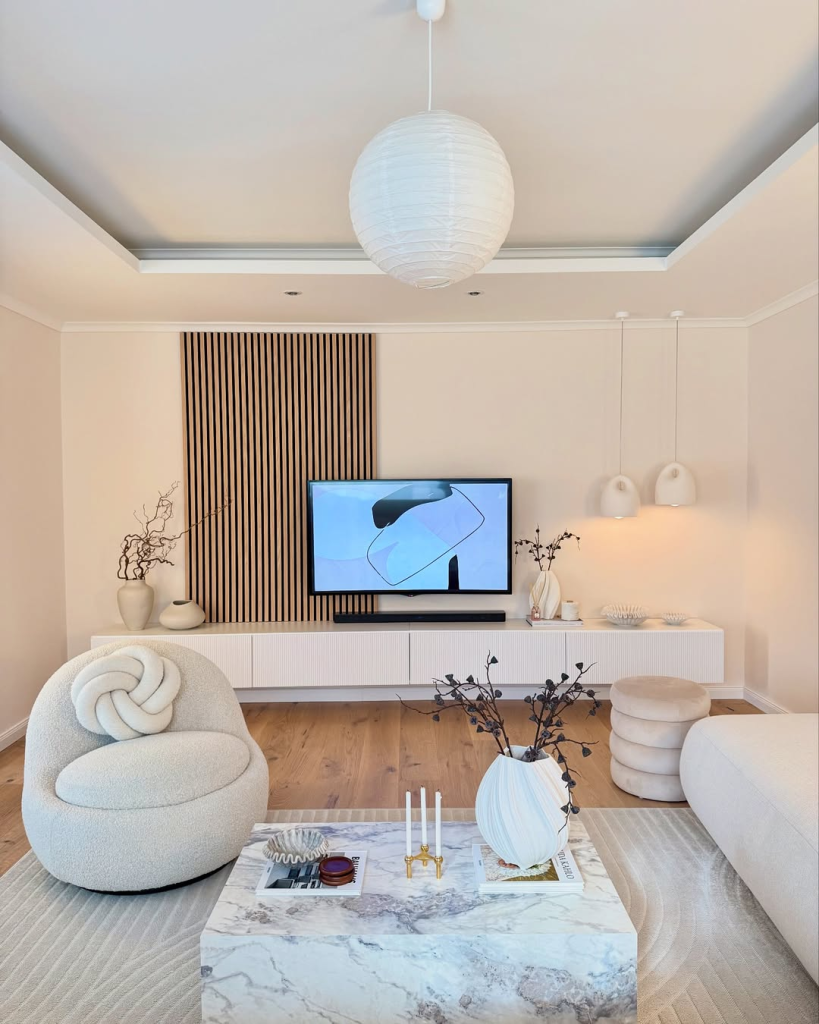
Japandi blends Japanese wabi-sabi principles with Scandinavian functionality, and it remains one of the most relevant styles heading into 2026. The look is built on minimalist furniture, lots of natural light, a neutral palette anchored by light wood tones, low-profile pieces, and a strong focus on craftsmanship. What keeps Japandi current this year is how perfectly it lines up with the demand for tactile, natural materials and that “quiet global influence” designers keep talking about. A space in this style feels calm and considered without trying too hard. It is for the person who values quality over quantity, who wants a connection to nature inside their home, and who finds peace in restraint. A single well-made chair matters more here than a whole room full of stuff.
9. Romantic Minimalism: Poetic and Pastel
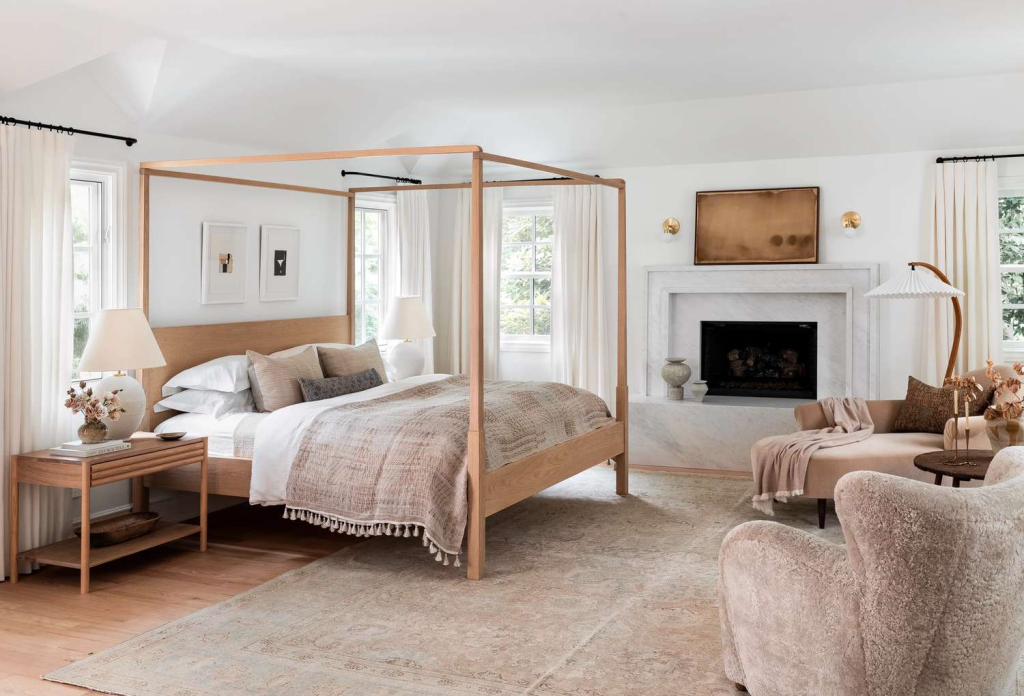
Romantic Minimalism is the softer, more feminine side of simple design. Livingetc identified this as a defining mood for 2026, and it pushes back against stark minimalism by using color and texture to create atmosphere. The palette leans into soft pastels like blush, lavender, and sage. You will see delicate patterns, sheer fabrics, curved furniture, fresh flowers, and vintage-inspired accents. The key difference from regular minimalism is that this style actually wants you to feel something when you walk in the room. It is gentle and poetic rather than cold and rigid. This is for the dreamer, the artist, or anyone who wants their home to feel like a quiet sanctuary. It works especially well in bedrooms and small reading nooks where the goal is to slow down.
10. Artisanal Modern: Craft and Consciousness
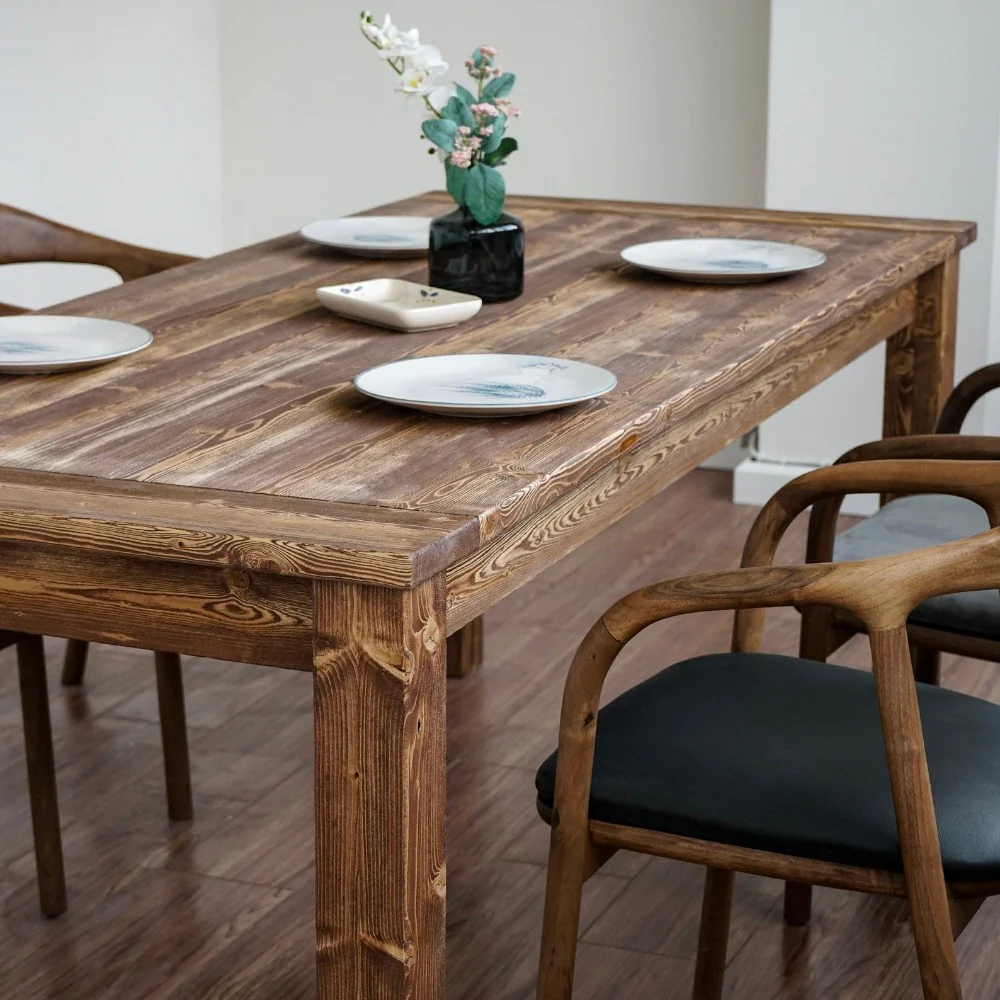
Artisanal Modern puts handmade, ethically sourced pieces at the center of a modern room. The furniture and decor come from local makers or fair-trade cooperatives. You see visible joinery, natural dyes, organic materials, and most importantly, a real story behind every piece. This is not just a design preference. It is backed by real data. Zillow reported that listings mentioning “artisan craftsmanship” jumped 21 percent this year, and Etsy’s 2026 trend report highlights personal keepsakes and handcrafted textures as top priorities for shoppers. For your first home, this approach means buying fewer things but choosing them more carefully. A hand-thrown mug, a woven textile from a cooperative you can actually name, or a table made by a local woodworker. This style is for the conscious consumer, the small-business supporter, and anyone who wants their home to reflect what they care about, not just what looks good.
11. Color-Drenched: Bold, Saturated, and Brave
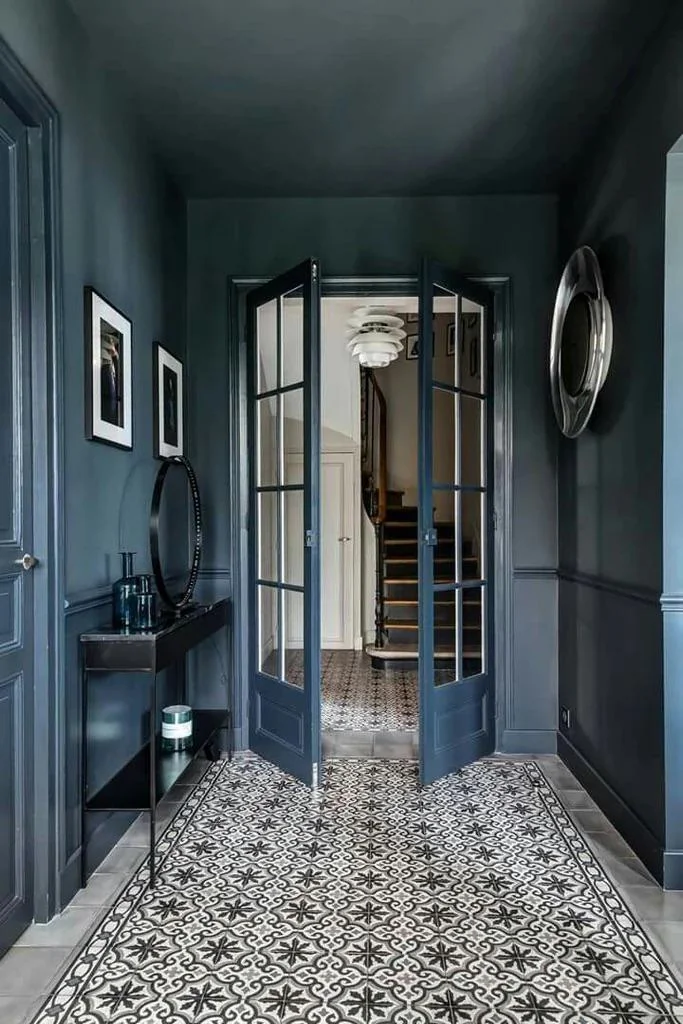
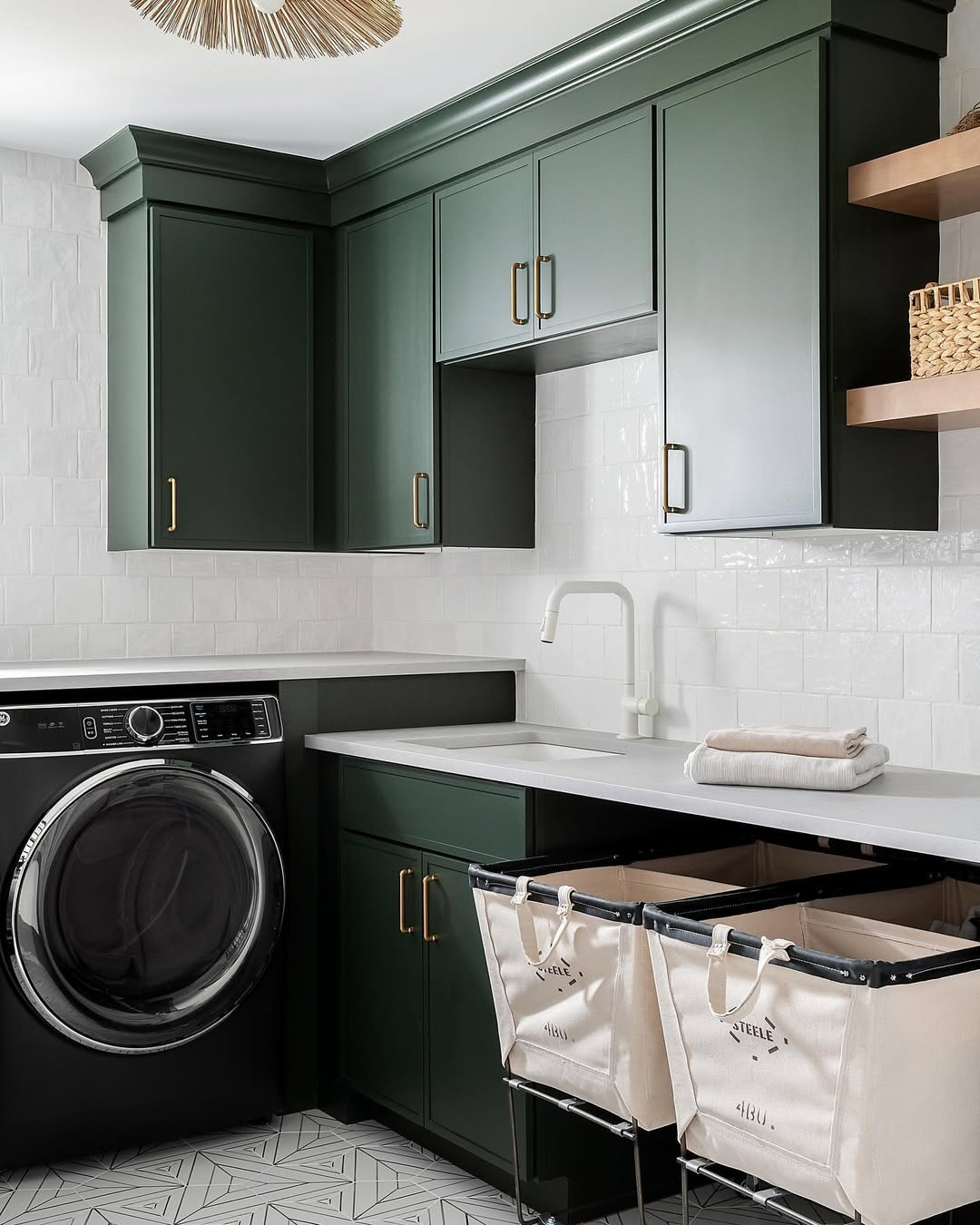
Color-drenching means painting your walls, trim, and even your ceiling the same rich, saturated color. The result is an immersive, enveloping room that feels completely different from a standard accent wall approach. Deep hues like forest green, navy, aubergine, and rich terracotta are the go-to choices, often grounded with crisp white or black accents. Architectural Digest and Apartment Therapy both flagged color-drenching as a massive trend for 2026, with AD specifically calling out the “fifth wall” as fair game. Leah Hook, founder of Gray Oak Studio, confirmed the bigger shift when she told Good Housekeeping that “neutral, quiet color palettes are over.” This is for the bold decorator, the color lover, and anyone who wants to make a confident statement. A small room like a powder room or a bedroom is the perfect place to try this without committing your whole house.
12. Functional Cocooning: Comfort-First Design
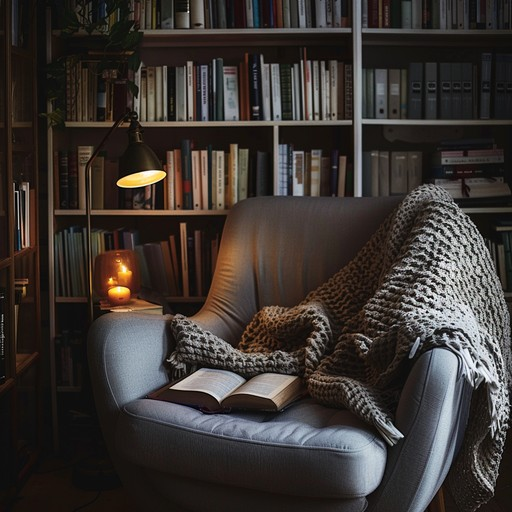
Functional Cocooning is less of a visual style and more of a foundational principle that runs through almost every interior design styles 2026 list. The idea is simple. You design for physical and emotional comfort first. That means ultra-plush upholstery like chenille and velvet, oversized throws, plenty of cushions, and soft lighting from lamps and sconces instead of harsh overheads. Apartment Therapy identified the driving force behind this as “emotional zoning,” the practice of creating distinct, small zones within your space for different activities like reading, working, or relaxing. Each zone is designed to support how your nervous system actually functions. This matters because it changes how you think about layout before you ever pick a paint color. You do not need an open floor plan to make this work. In fact, creating smaller, defined zones within a large room is exactly the point. This is for everyone. Whatever visual style you pick from this list, layer in this comfort-first thinking and your home will actually feel good to be in.
What to Do Next So You Actually Finish the Room
The whole point of these 12 decorating styles to consider before you start is to give you a starting line, not a cage. The most stylish homes in 2026 are not the ones that follow one rule book perfectly. They are the ones that feel personal and collected over time, exactly the way Powell described. If you are still not sure which direction fits you, try taking a decorating style quiz. HGTV, Suzie Anderson Home, and JL Coates all have solid free options that ask you real questions about how you live. Your home should feel like yours when you walk through the door. Pick one or two styles from this list that resonate, start with one room, and let it grow from there. You do not need to figure out the whole house today.