
25 Kitchen Ideas First-Time Homeowners Wish They’d Seen Sooner

✔ Written & fact-checked by Sophie — last reviewed June 26, 2026
The Stuff Nobody Tells You Before Your First Kitchen
You got the keys. You’re standing in a kitchen that’s “fine,” and you have no clue which changes are worth your money. That’s exactly the gap this list fills. These are the kitchen ideas first-time homeowners wish they’d seen sooner, before they spent a single dollar on the wrong thing.
Here’s the good news. According to Houzz’s 2026 Kitchen Trends Study, most people aren’t moving anymore. They’re fixing up the kitchen they already have. So you’re in great company, and you don’t need a giant budget to get it right.
What you’ll get below is a mix of three things. The trends that are actually current in 2026. The regrets you can dodge for free. And the cheap upgrades that look way more expensive than they cost. Some tips cost three hundred dollars. Some cost three cents of planning. Take what fits your home and skip the rest. Let’s get into it.
1. Live in It Before You Renovate Anything
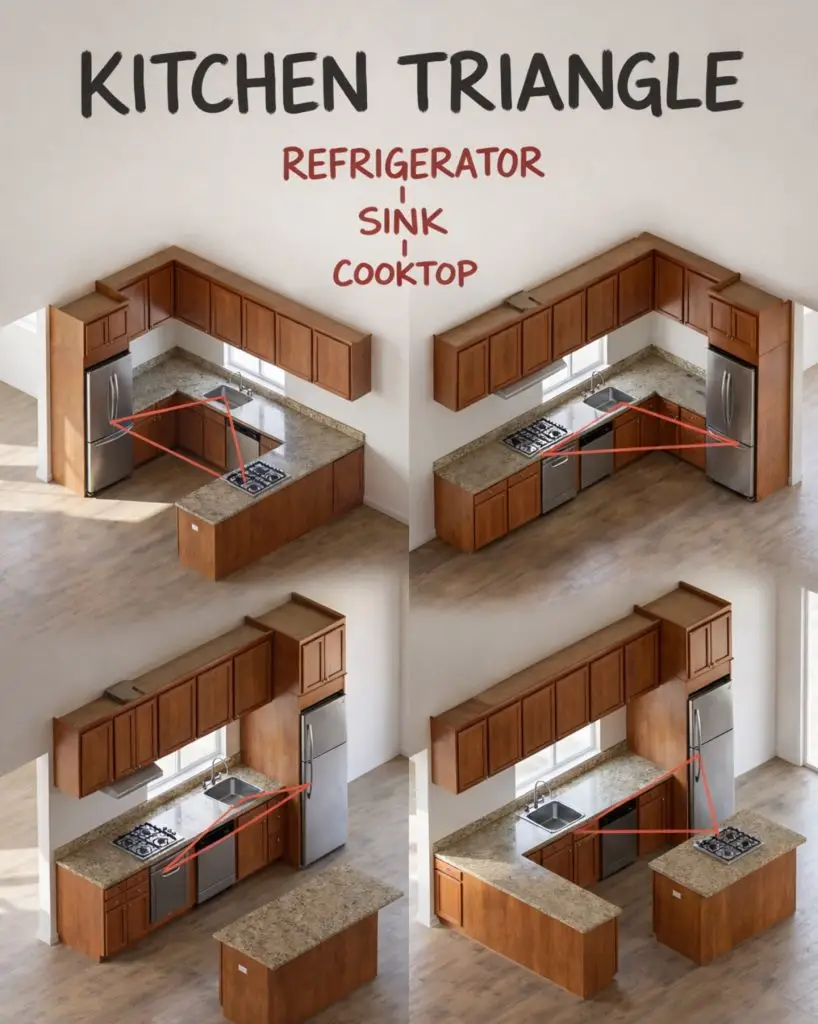
Put the sledgehammer down for a month. Cook in the kitchen you bought first. You’ll quickly learn where you drop the grocery bags, where you stand to chop, and which cabinet you open ten times a day. Sites like Kitchen Seer say one of the biggest regrets is moving the sink, stove, or fridge without thinking about how you walk between them. That path is called the work triangle, and breaking it makes cooking feel clumsy for years. Watch yourself work first. Then plan.
2. Plan Storage First, Pretty Things Second
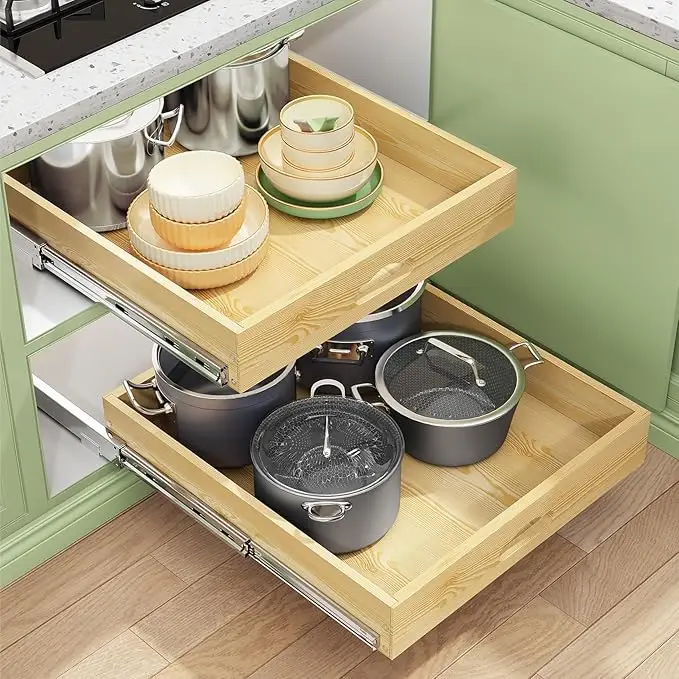
This is the kitchen idea most first-time homeowners wish they’d seen sooner. “Not enough storage” is the regret people bring up more than any other. So before you fall in love with a countertop, figure out where everything goes. In the Houzz 2026 study, more than three quarters of people renovating added storage features like pantry cabinets and pull-outs. Drawers beat doors for pots and pans, because you can see what you have. Plan the storage, and the rest gets easier.
3. Skip the All-White Kitchen (It’s Aging Fast)
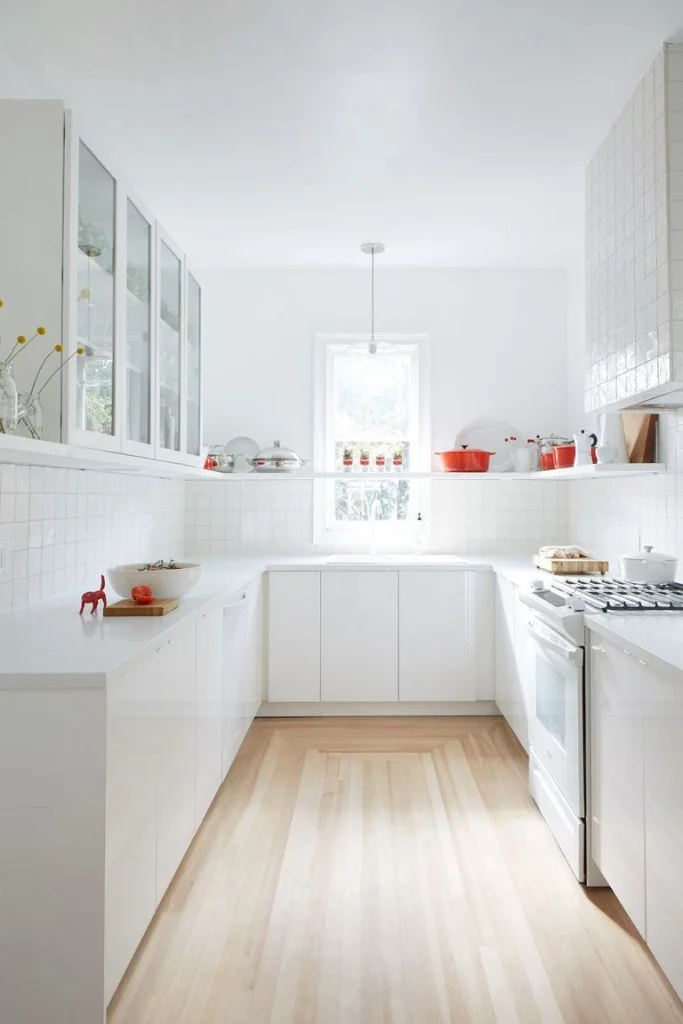
Here’s the surprise nobody expects. The “safe” all-white kitchen is now the look that dates a room. Designers at sites like RTA Cabinet Store and George Cabinetry say stark white can read cold and a little flat in 2026. You probably think white is the no-risk choice. That used to be true. Now it can quietly age your kitchen faster than a bolder color would. You don’t have to ditch white entirely. Just warm it up or break it with wood.
4. Choose a Warm Wood Tone for Cabinets
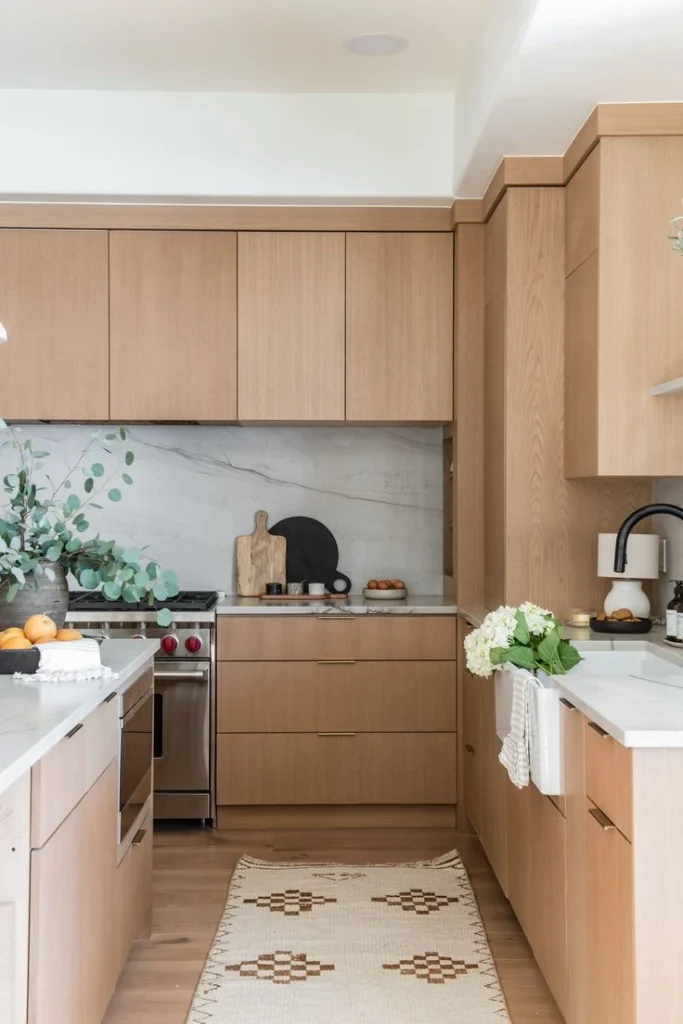
Wood cabinets just did something big. For the first time in years, they passed white as the top cabinet choice in the Houzz 2026 study. Medium wood shades led the comeback, with lighter wood close behind. So if you’re picking a finish, a wood front is the current move and it hides scuffs better than paint. You don’t have to redo every cabinet either. Even a wood island next to painted uppers gets the look.
5. Try a New Neutral Like Mushroom or Clay
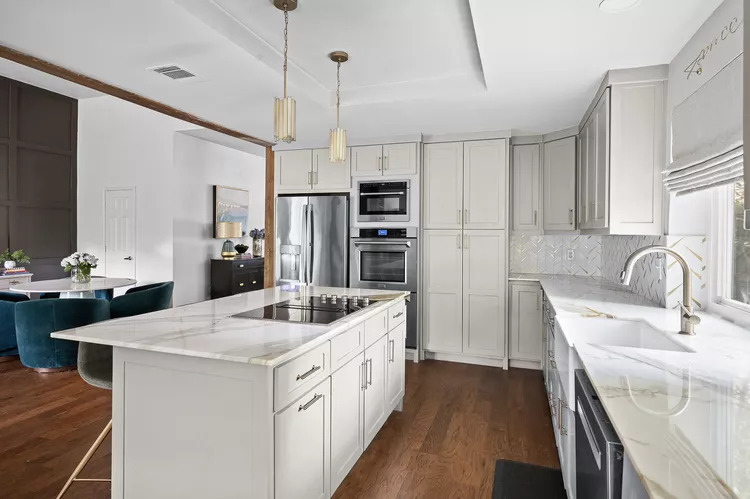
Beige is back, but not the flat builder beige you’re picturing. Designer Laura O’Brien points to grounding shades like mushroom, stone, and putty, the kind that shift between pink and brown as the light changes. These soft browns and greiges play nice with wood, stone, and almost any counter. That makes them forgiving for a first kitchen. Pick one of these instead of cool gray, which is the shade that screams 2019. It feels current without feeling risky.
6. Color-Drench a Small Kitchen
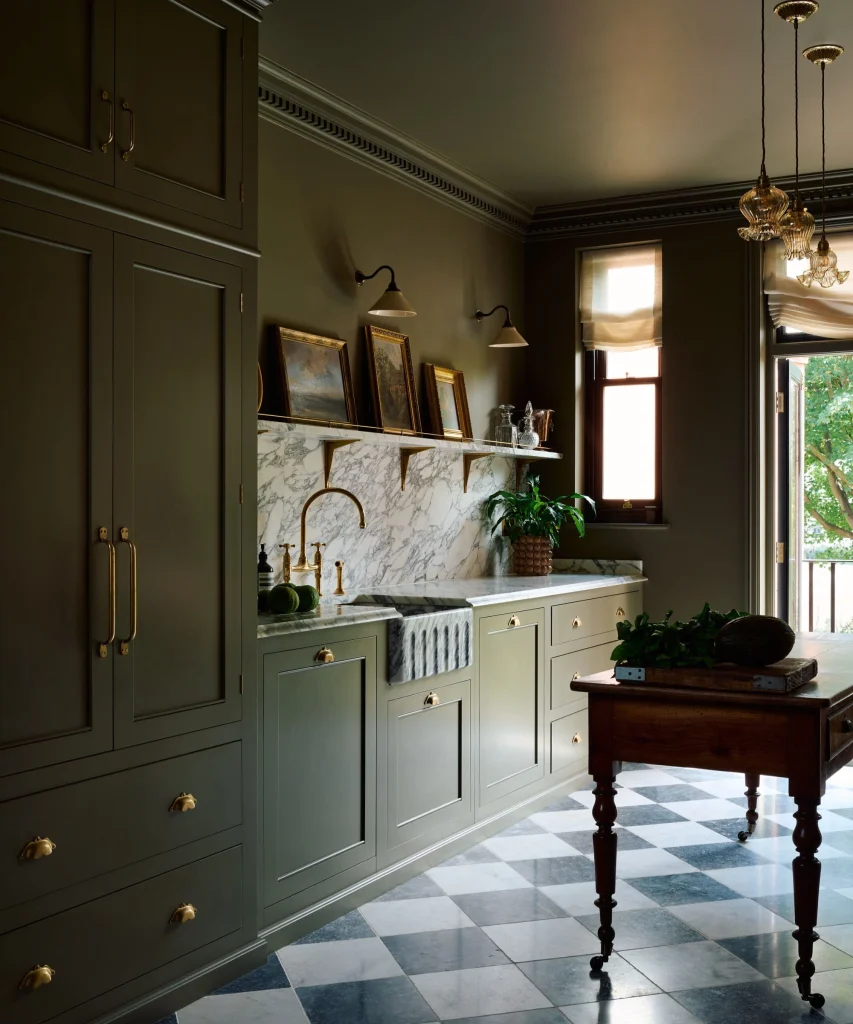
Got a tiny kitchen? Don’t fight it with bright white. One trick designers love in 2026 is color-drenching, where you paint the cabinets and the walls the same shade. Homes and Gardens has shown deep olive, teal, and aubergine doing this beautifully in small spaces. It sounds scary. It actually makes a cramped room feel deeper and more planned, because there’s no hard line breaking up the walls. Pick a shade you love, then commit to it top to bottom.
7. Paint Is Your Cheapest Big Win
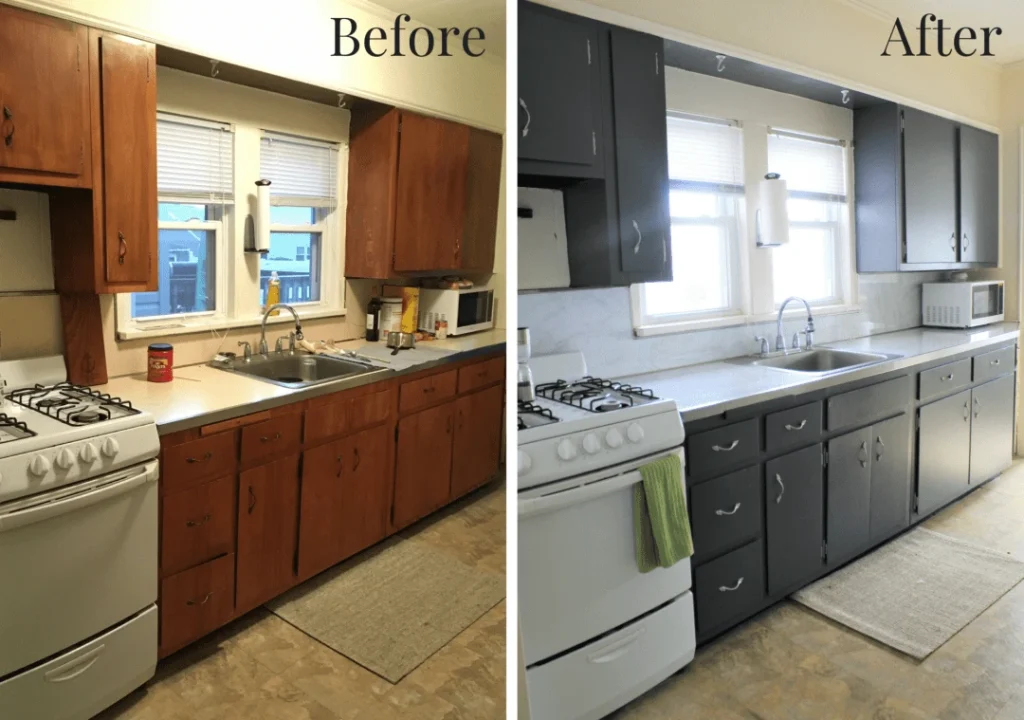
If you only do one thing, do this. Design director Jen Hiseman calls a fresh coat of paint the most powerful tool you have on a small budget. The goal is to go richer, not whiter. A cabinet paint kit like Rust-Oleum’s runs around sixty dollars and covers about a hundred square feet, so you skip the cost of new cabinets completely. Most designers say you can shift a whole room for three hundred dollars or less this way. Clean the surfaces well first. That’s the step people skip and regret.
8. Swap the Hardware Before Anything Pricey
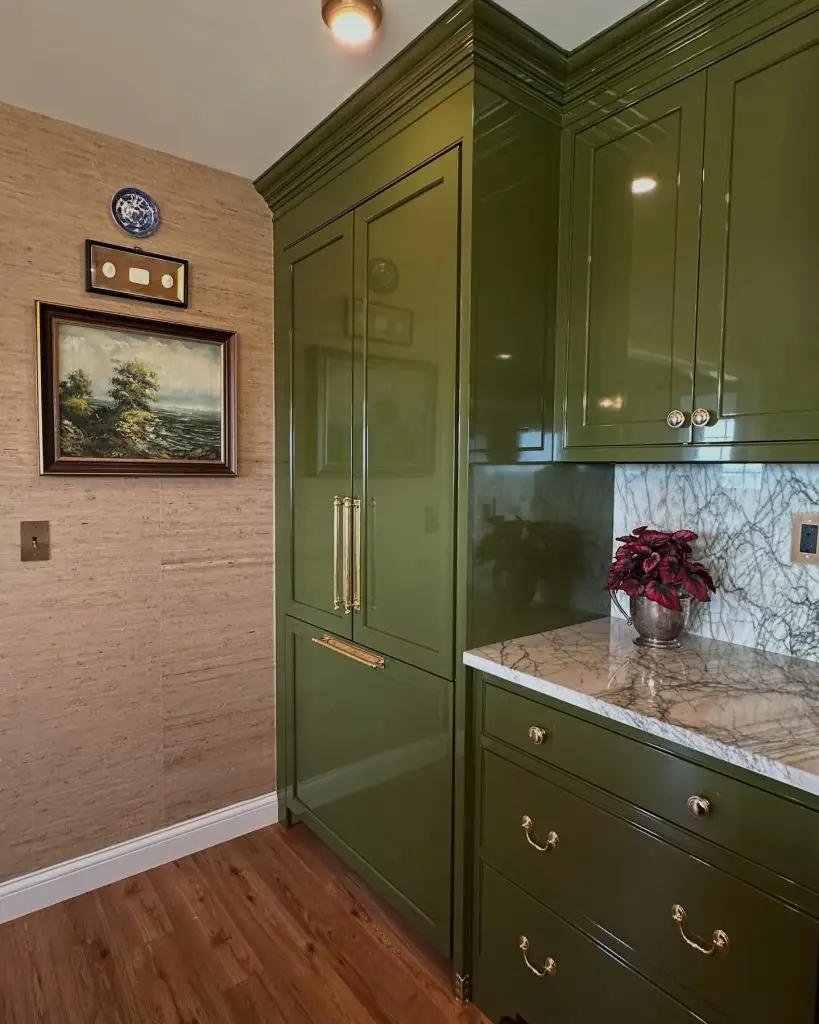
New knobs and pulls are the fastest way to make a kitchen feel new. Designer John Stivale says the look this year is soft brass, mixed metals, and shapes that feel collected, not matchy. Pulls start as cheap as two dollars each, and you can do a whole kitchen well for around a hundred fifty to three hundred dollars. One huge tip from Stivale: check your hole spacing before you buy, or nothing lines up. Focus your money on the cabinets you see most. Nobody studies the pantry pull.
9. Layer Your Lighting Properly
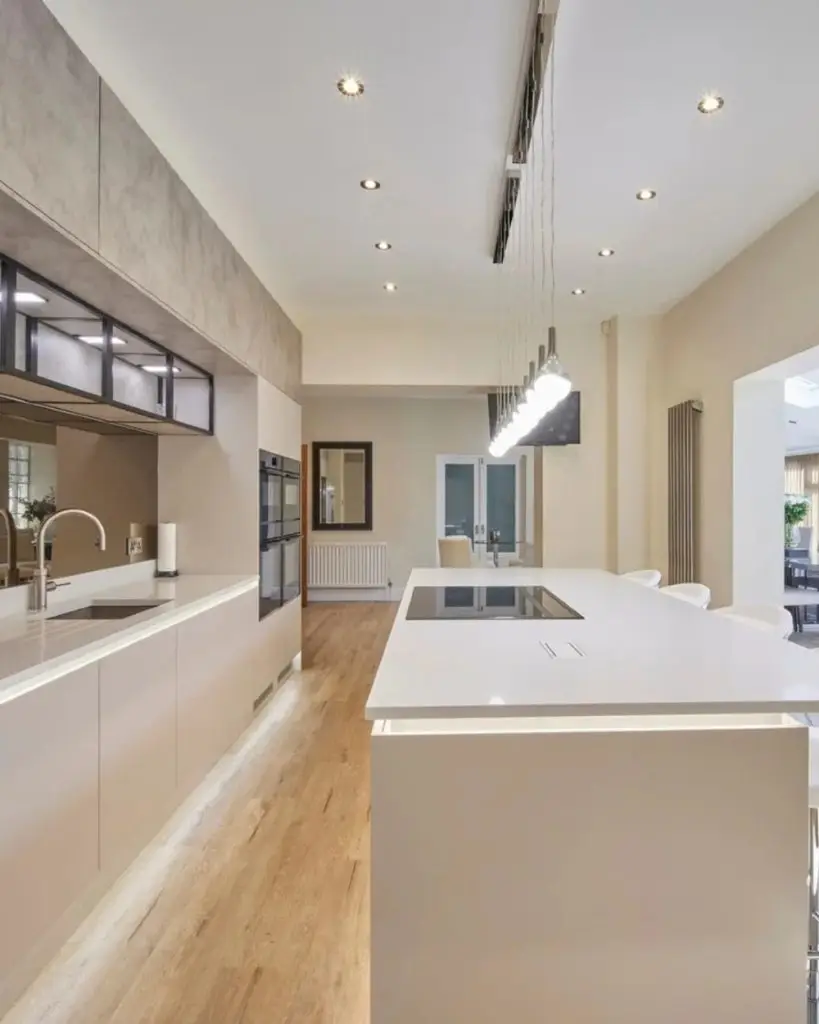
One ceiling light is not enough. This is one of the kitchen renovation mistakes to avoid that people only notice once they’re chopping in their own shadow. You want three layers. Overhead light for the whole room. Task light over the counters where you actually work. And a softer accent light for evenings. Sites like Sunshine Sunrooms list poor lighting as a top regret because it makes a brand new kitchen feel dim and cramped. Plan the layers early, while walls are open and wiring is easy.
10. Add Under-Cabinet Lighting
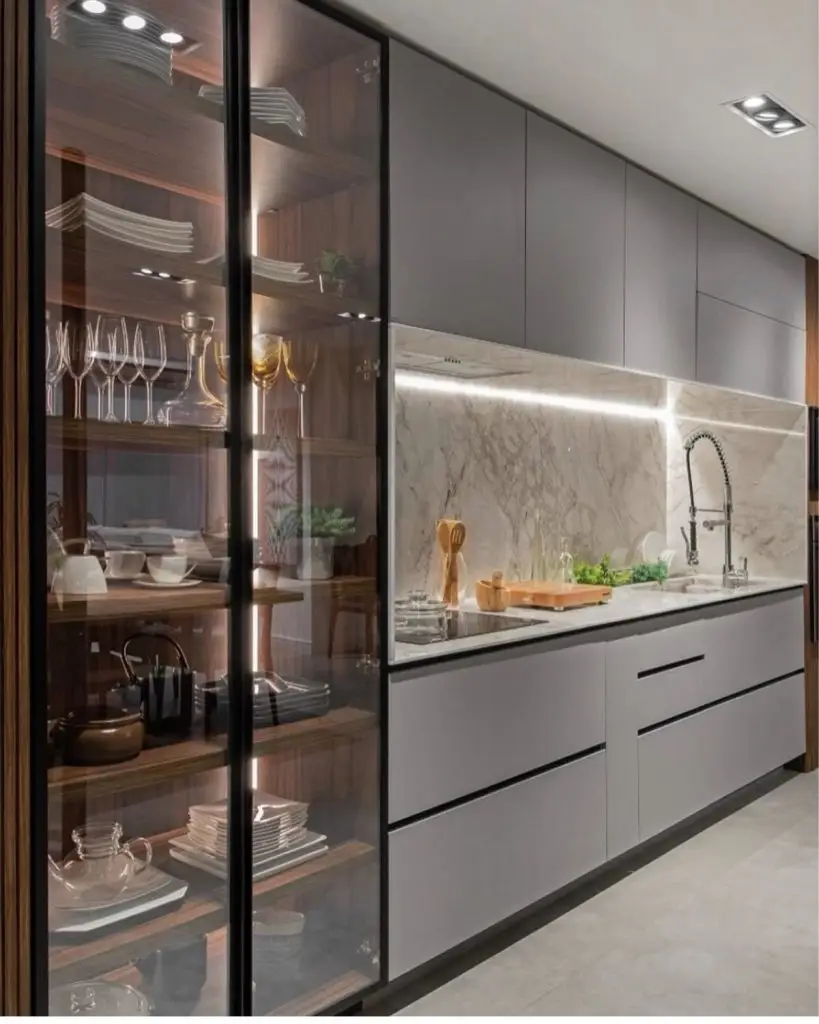
This one punches way above its price. Little LED strips tucked under your upper cabinets light up the exact spot where you cut and cook. Owners can hardwire them for a clean look. Renters can grab plug-in or stick-on battery versions and take them when the lease ends. The change at night is dramatic, and it costs less than dinner out. Warm white light flatters food and wood. Skip the harsh blue-white strips.
11. Rethink Open Shelving Before You Commit
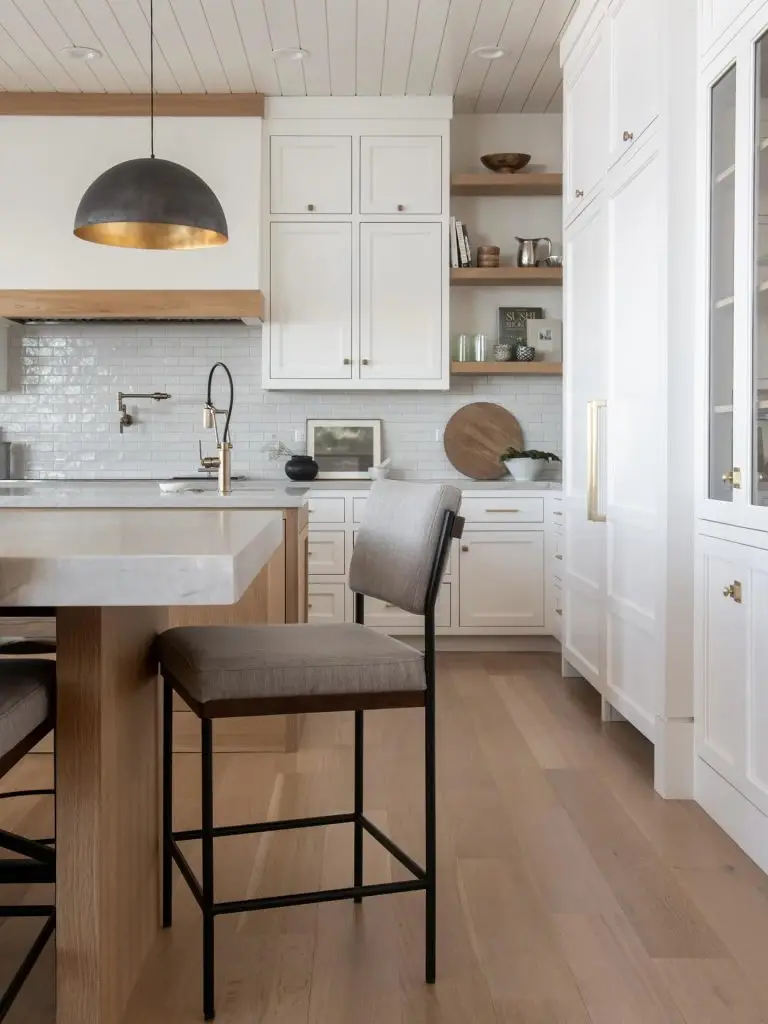
Open shelves look amazing in photos. In real life, they ask a lot from you. Designers at George Cabinetry say the trend is fading because shelves collect dust and grease, and everything on them has to stay styled all the time. If you cook a lot, that gets old fast. Use open shelving for a small spot, like one shelf for a few nice pieces. Keep the rest of your stuff behind doors. Closed storage hides the mess on busy nights.
12. Don’t Default to Plain Subway Tile
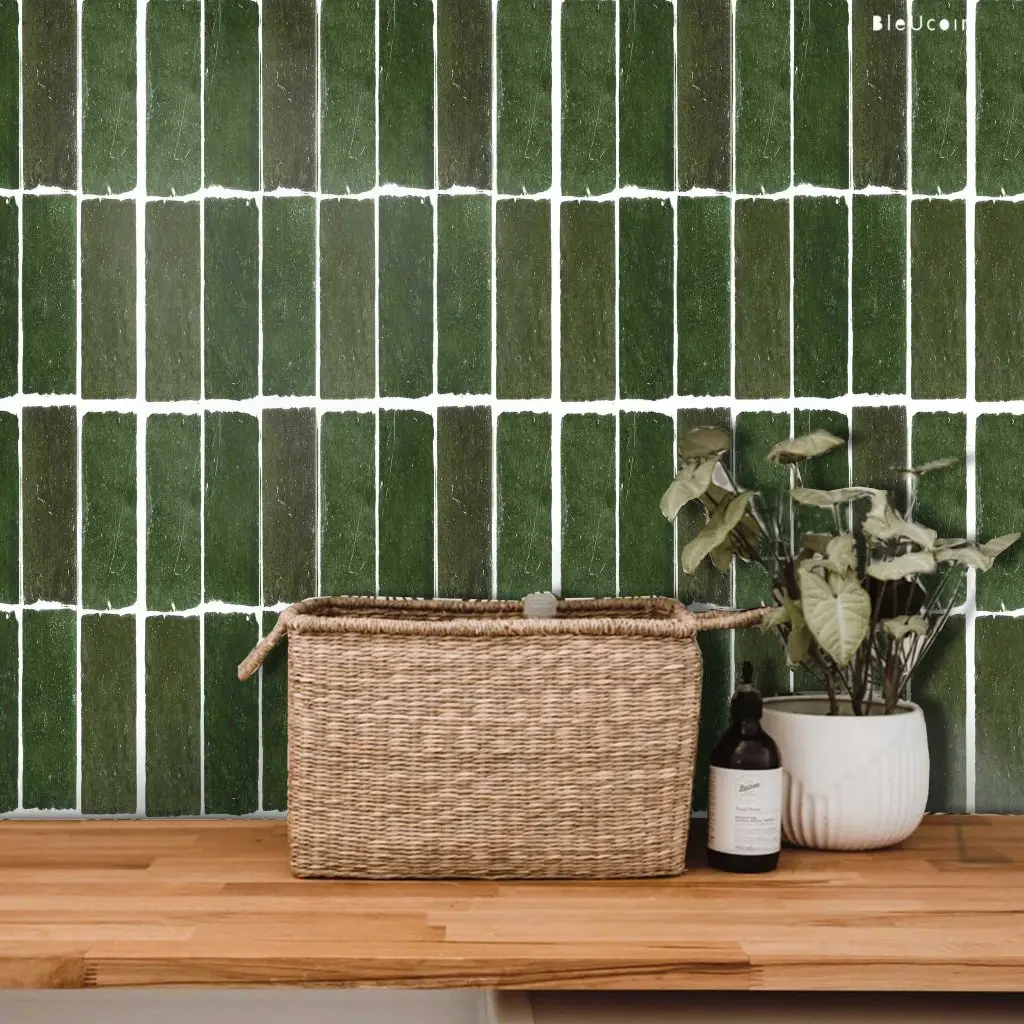
Plain white subway tile feels safe, and that’s the problem. It’s in so many kitchens that it now reads a little flat and predictable. Homedit and the Houzz report both point to fresher picks like handmade ceramic, zellige, and stone slab. These add texture and depth while still looking clean for years. You can still do a tile backsplash. Just choose one with a bit of character instead of the basic three-by-six everyone already has. Small change, big difference.
13. Test a Peel-and-Stick Backsplash First
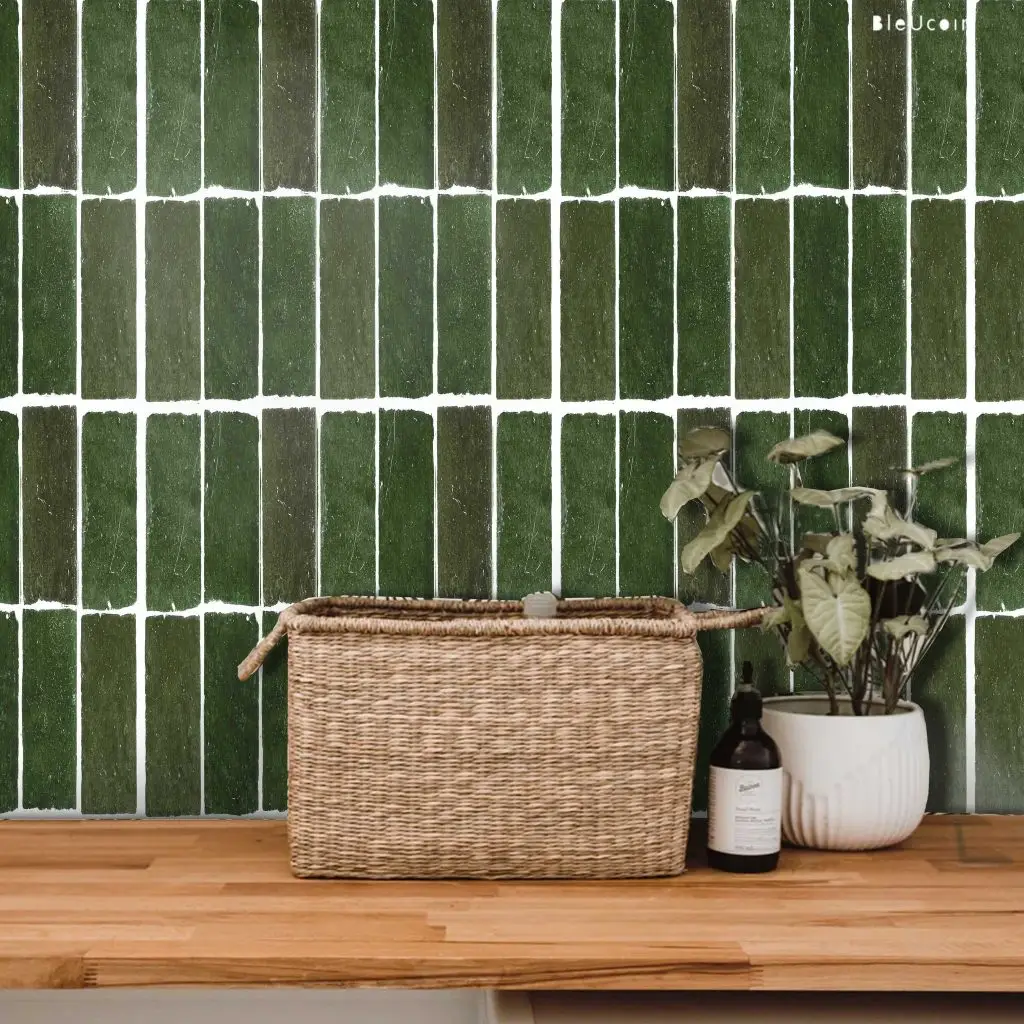
Not ready to commit to real tile? Try peel-and-stick. It costs around thirty dollars a section, goes up in minutes, and peels off later without wrecking the wall. Apartment Therapy featured a whole kitchen redo built around these for about five hundred fifty dollars total. It’s a great pick if you rent, or if you just want to try a look before paying for the real thing. The newer panels look surprisingly close to true tile from a few feet away. Clean the wall well so it actually sticks.
14. Pick Warm Whites, Not Cool Ones, for Counters
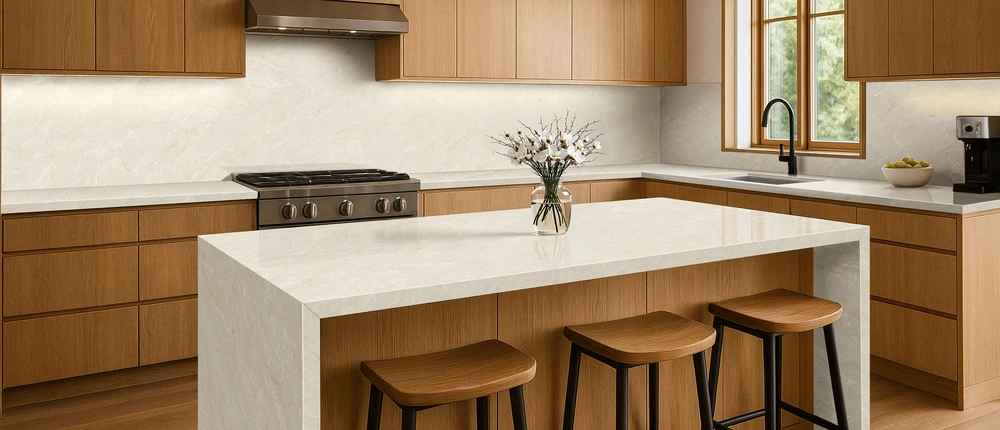
If you want a light counter, the undertone matters more than you think. The whites and creams winning in 2026 have soft yellow or pink undertones, not cool blue-gray ones. Warmer whites sit nicely next to wood, stone, and brass. Cool whites can make the whole room feel a little clinical. Hold a sample against your cabinets and floor in daylight before you decide. The wrong undertone fights everything else in the room.
15. Skip the Heavily-Patterned Granite
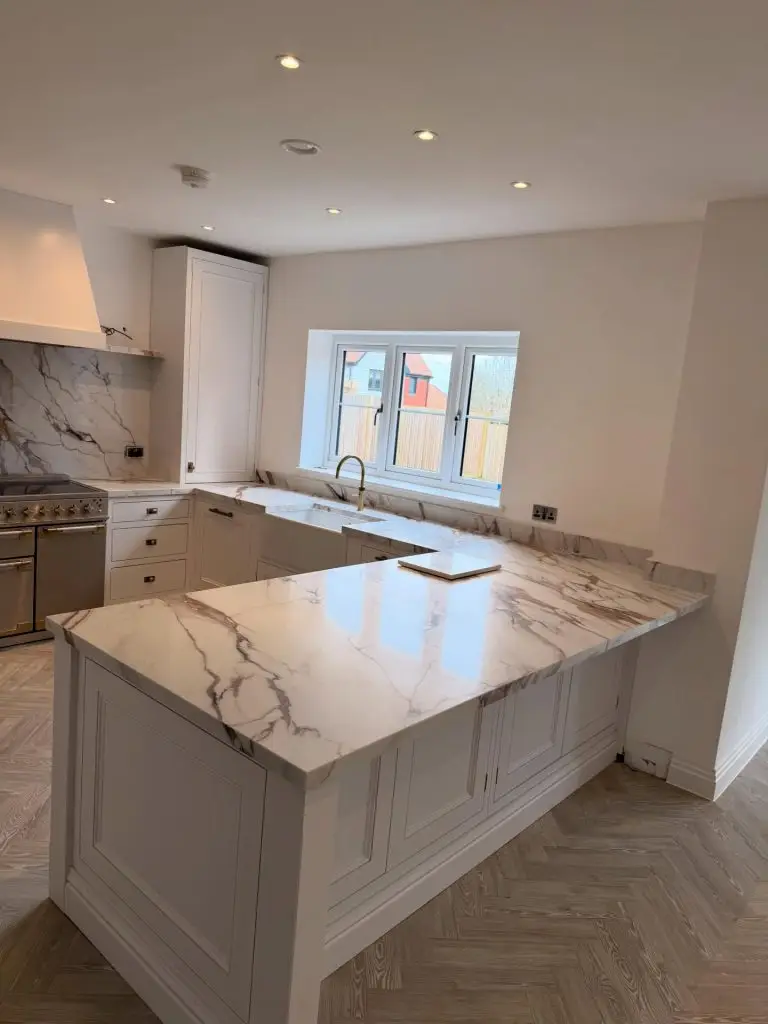
Busy speckled granite was everywhere a decade ago, and that’s the issue. Homedit notes that the heavily patterned versions now pull the eye and fight with your cabinets, tile, and floor. A first kitchen feels calmer with a quieter counter. Look for a soft, low-contrast surface that lets one or two other things shine instead. If you inherited busy granite, you don’t have to rip it out tomorrow. Just don’t add more busy patterns around it.
16. Add a Task Zone You’ll Use Daily
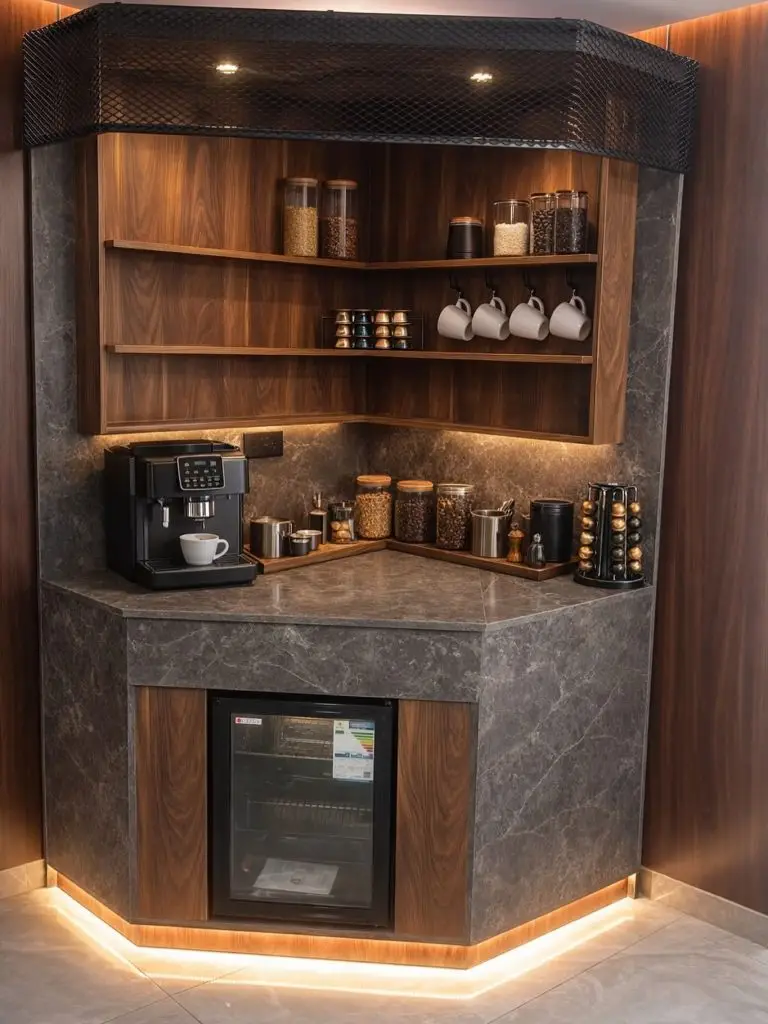
One of the smartest shifts in the Houzz 2026 report is task zones. Instead of one big do-everything counter, people are carving out small purpose-built spots. A little coffee station. A baking corner. A drink or snack nook. It keeps your busiest gear in one place, so mornings stop being chaos. You don’t need extra square feet, just a smart slice of counter and a couple of drawers. Pick the task you do most. Build the zone around that.
17. Make the Island Earn Its Space
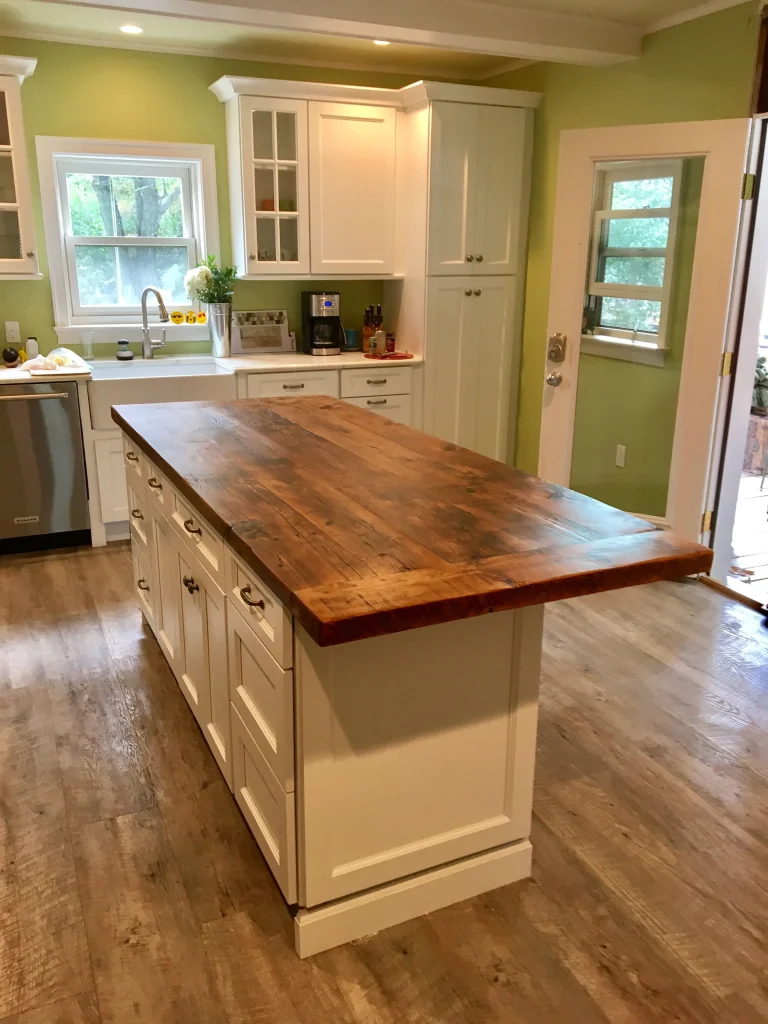
If you have room for an island, make it work, not just sit there. The Houzz 2026 study found over half of new islands now hold a real appliance, like a dishwasher or microwave. Wood has become the favorite island top, often in a different shade than the rest of the counters. That gives you a useful workspace and a nice point of contrast in one move. Build in storage on the sides too. A pretty island with no function is a missed chance.
18. Don’t Build Two Islands or One Giant One
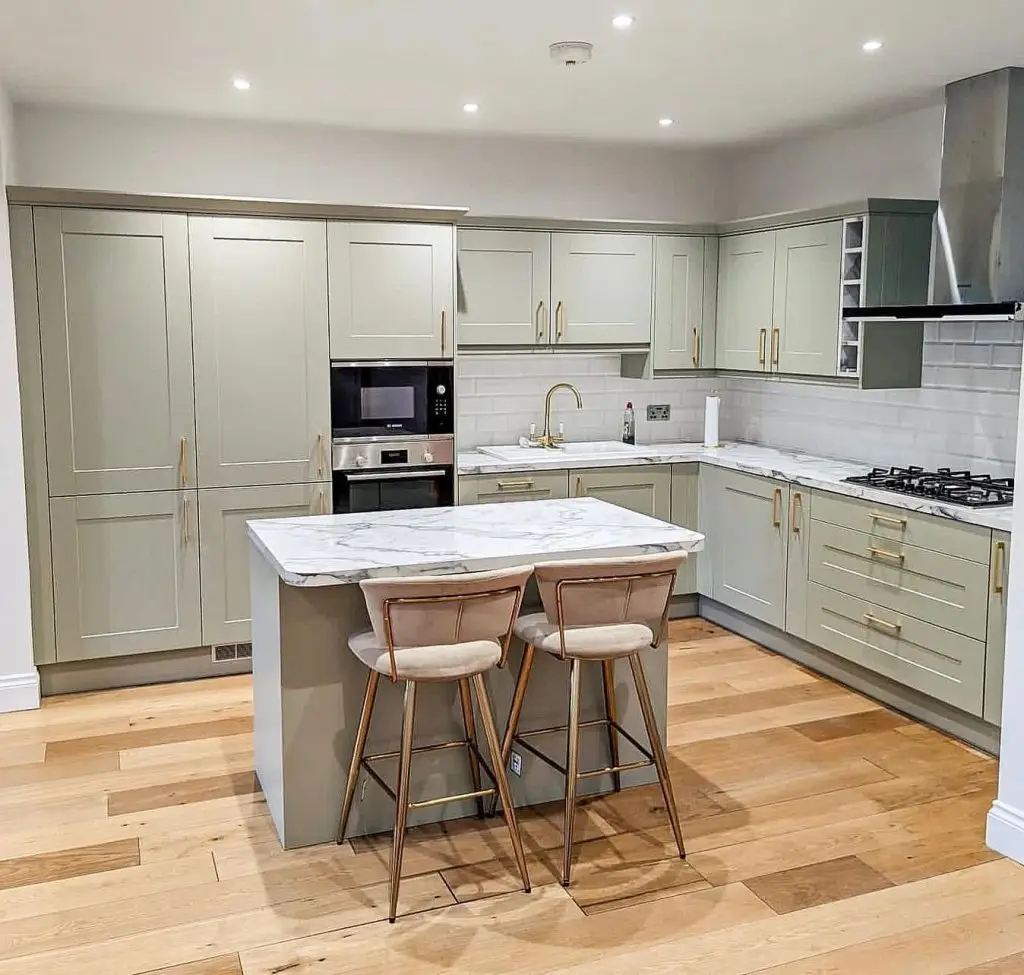
Bigger isn’t always better here. Homes and Gardens says double islands already feel dated, and one oversized island can crowd the room and break your flow. A single well-placed island with good cabinet runs around it usually works harder. So resist the urge to supersize just because you saw it online. Leave enough open floor to walk and open doors comfortably. Cramped walkways are a regret that never goes away.
19. Stick With Stainless for Appliances
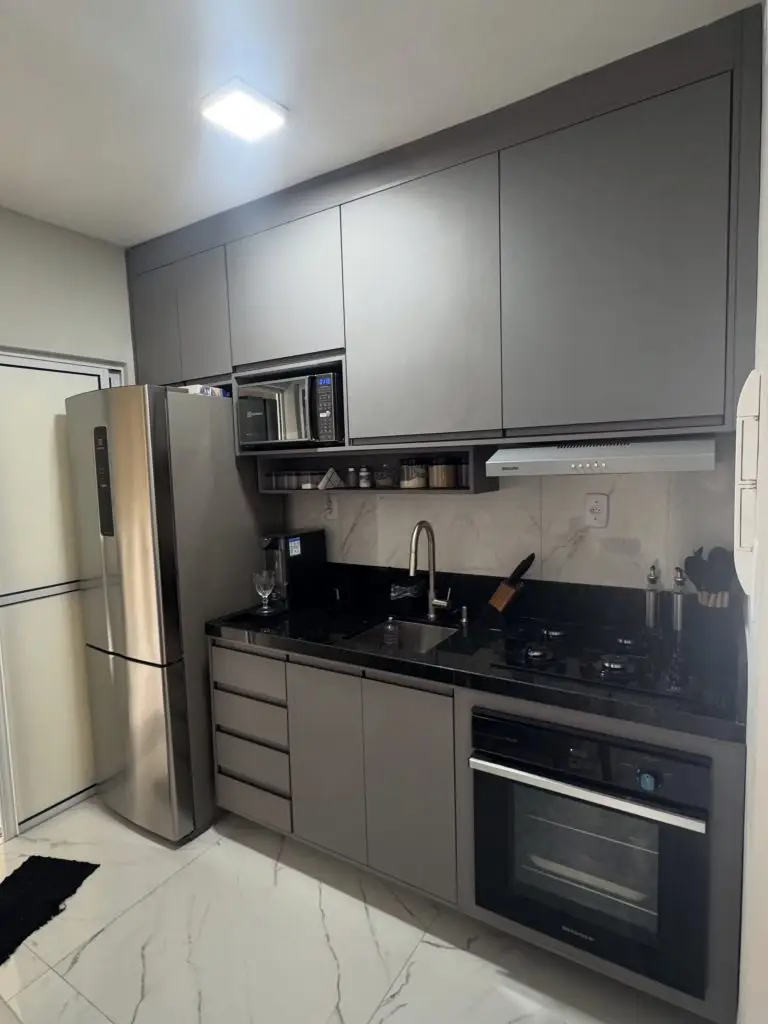
When in doubt on appliance finish, stainless steel is still the safe bet. In the Houzz 2026 study, stainless stayed the runaway favorite, with fewer than six percent of people picking white, black, or black stainless. That matters for resale, since stainless suits almost any kitchen style. It also mixes well with both wood and painted cabinets. If you want a softer look, fingerprint-resistant stainless exists now. You get the timeless finish without the smudge battle.
20. Don’t Skimp on Ventilation
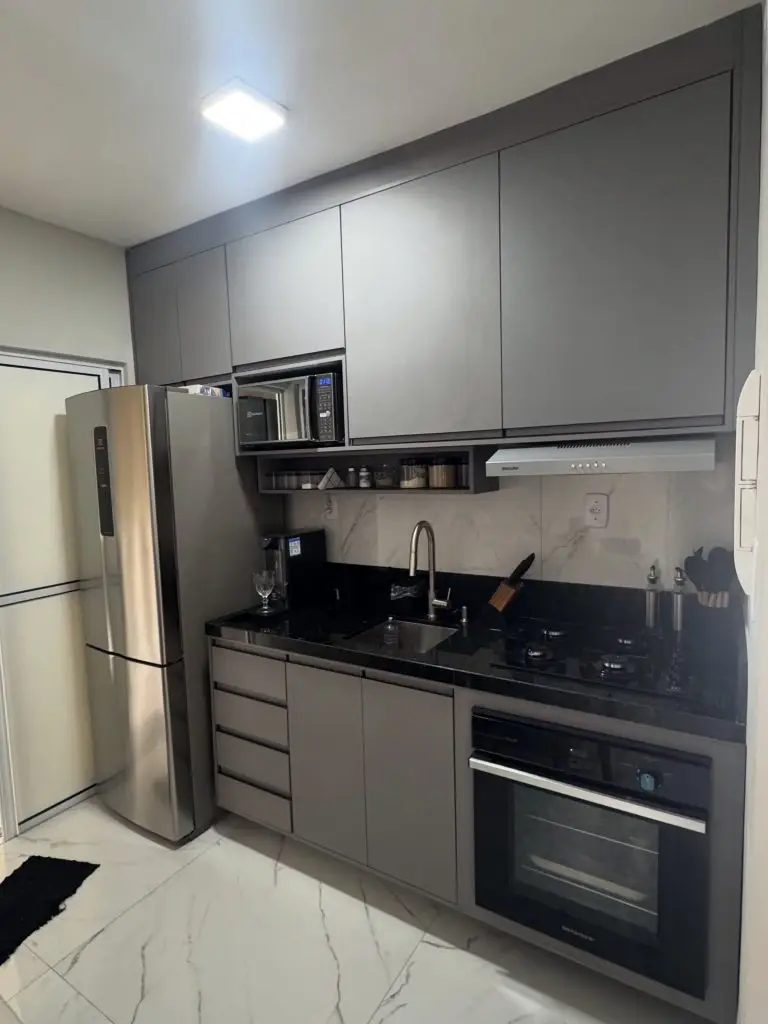
A real range hood is one of those boring buys you’ll thank yourself for. Kitchen Seer lists weak ventilation as a quiet regret, because cooking smells and grease hang in the air and settle on your cabinets over time. A strong, properly vented hood pulls out smoke, steam, and odor while you cook. It protects your walls and finishes too. Get one that actually vents outside, not just one that recirculates. Your future self will notice the difference every single day.
21. Bring In Real Natural Materials
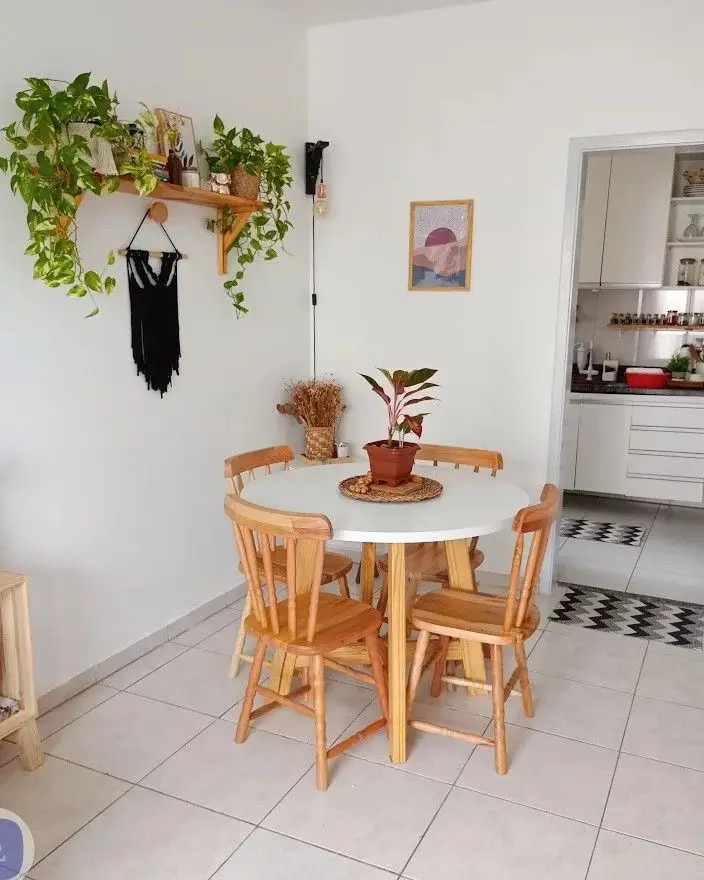
Kitchens are leaning into nature in 2026, and it’s an easy look to copy. Designer Jennifer Cooley says nature-inspired textures and materials are set to define the year. Think real wood, natural stone, handmade tile, and a plant or two. The trend moves away from bold pops of color toward grounded, calm materials that feel good to touch. You don’t need to redo the whole room. A wood board, a stone bowl, one green plant on the sill goes a long way. Real materials age better than plastic stand-ins.
22. Go Easy on Matte Black Everything
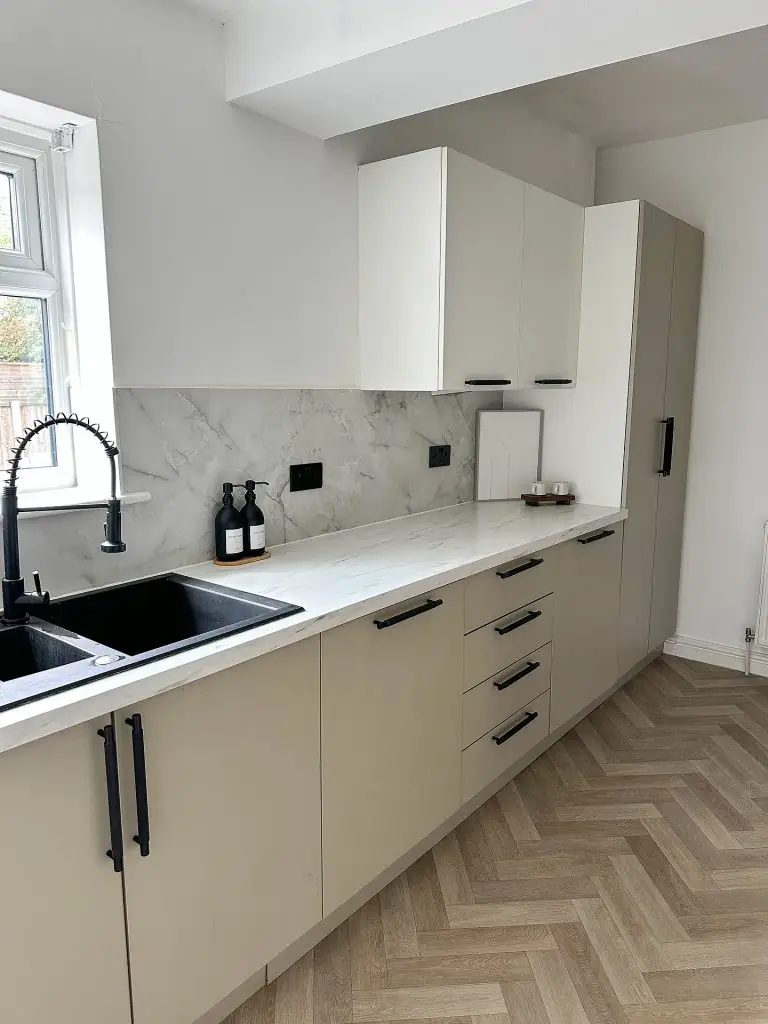
Matte black looked so good in photos that everyone bought in. Here’s the honest catch. A lot of designers and creators are cooling on it now, because matte black faucets and hardware show every fingerprint and water spot. In a kitchen you use all day, that means constant wiping. This is more of a heads-up than a hard rule. If you love the look, use it in small doses where hands touch it less. Mixing in a softer metal like brass or brushed nickel keeps it from feeling like a smudge magnet.
23. Always Pad Your Budget
Whatever number you have in mind, leave a cushion. Remodeling pros suggest setting aside an extra ten to twenty percent for surprises, because old homes love to hide problems behind the walls. For scale, a smaller midrange kitchen remodel averages around twenty-eight thousand dollars, per the 2025 Cost vs. Value Report. One more tip. Be careful of any contractor asking for a huge deposit up front, like half the job. Pay in steps as work gets done. A little money held back protects you when something unexpected pops up.
24. Spend Where It Shows, Save Where It Doesn’t
Your money isn’t all equal in a kitchen. Hardware, lighting, and paint give you the biggest visible change for the least cash, so spend there first. The stuff nobody sees, like fancy luxury finishes inside cabinets, can wait, especially if you might move in a few years. These budget kitchen ideas for a first home work because they target what your eyes land on. Put your dollars on the front-facing wins. Hold back on the splurges until you know you’re staying put.
25. Build for the Long Haul, Not the Trend Cycle
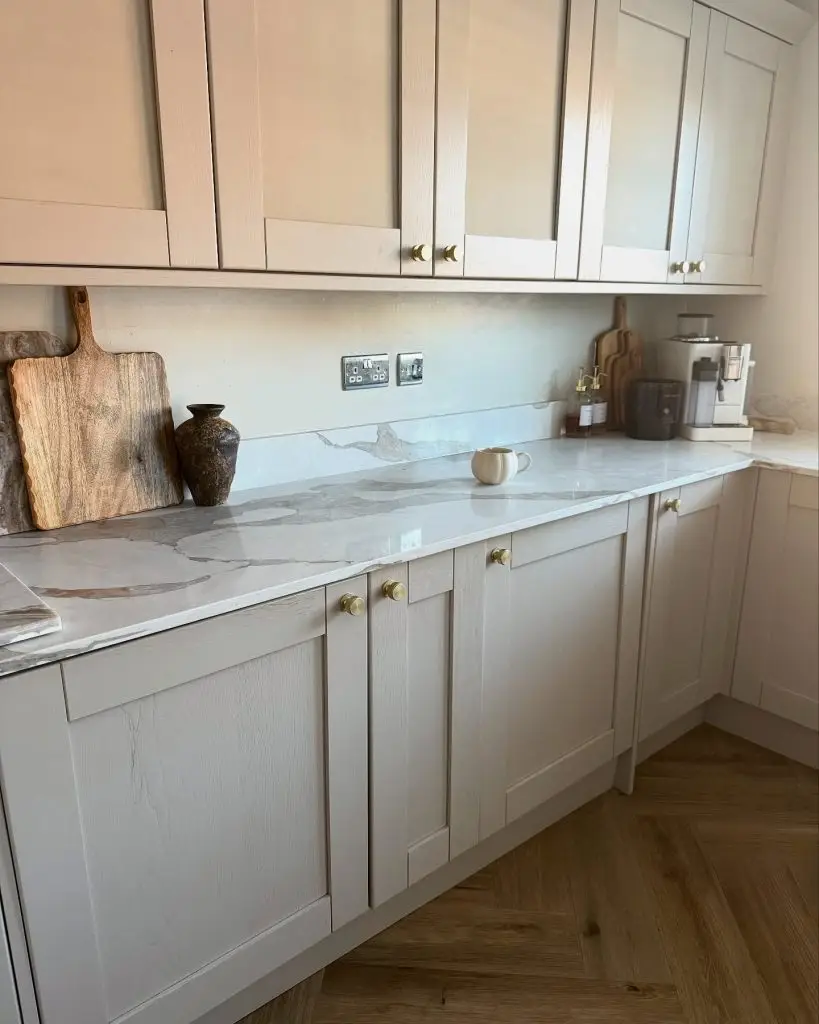
The kitchens that age best are the ones built around how you live, not what’s hot this minute. The Houzz 2026 study shows Shaker cabinets still leading because they fit almost any style year after year. Smart picks like pull-out drawers, easy-grip pulls, and good lighting make a kitchen work for you for the long run. Designer Ashley Macuga puts it well, saying a good kitchen supports family connection and everyday wellness. That’s the real goal. Chase function first, and the look quietly takes care of itself.
Image Prompt: “iPhone photo of a simple Shaker-style cabinet door at eye level, taken slightly off-center. The clean flat-panel Shaker door and its frame is the hero. Deep focus, natural light from a window, afternoon light flattening the color. Plain counter above, one wood spoon in a jar. Two colors, soft painted door and pale counter, lots of empty surface. casual iPhone photo taken by the homeowner, slightly imperfect framing, real lived-in space, not styled for social media”
Stock Image Keywords: shaker kitchen cabinets | timeless kitchen design | classic cabinet style | simple kitchen cabinets | shaker cabinet doors
Where to Start Tomorrow
None of these are about chasing trends. They’re about not learning the hard way. You don’t have to tackle all 25. The kitchen ideas first-time homeowners wish they’d seen sooner are mostly the cheap, smart ones. Plan your storage. Layer your light. Swap the hardware. Pick a warm finish over stark white.
Here’s your one small step for today. Stand in your kitchen and just watch how you move through it. Notice the cramped spots and the dark corners. Write down the three things that bug you most. That little list is the start of a kitchen that actually works for you, not just one that looks good on day one.
Want to keep going? Pin this post so you have it when you’re ready, and take a look at our other first-home decorating guides next.


