15 Whole-House Decorating Themes for New Homeowners

✔ Written & fact-checked by Sophie — last reviewed June 23, 2026
Why Your Pinterest Boards Are Lying to You
You close the app. Then you open it again. Your kitchen board has crisp white shakers. Your living room board is full of moody greens. Your bedroom board leans romantic and pink. None of it goes together.
This is the real problem with moving into a new house. You do not lack ideas. You have too many of them, pulled from completely different aesthetics, and zero plan for how they connect. The result is a home that feels like five different people decorated it.
Figuring out how to choose interior design style should not feel like a final exam. You just need a through-line. A single thread that connects the kitchen to the bedroom to the bathroom so the whole place feels like it belongs to you.
Below are 15 whole-house decorating themes for new homeowners. Every single one is current for 2026. Every one includes a starter palette, the key materials to buy, and a budget-savvy checklist so you can stop scrolling and start making decisions.
Quick tip before you pick. Lock in your whole house color schemes early. Grab one dominant neutral, two secondary colors, and one accent. Carry that exact mix through every room. It is the fastest way to make different spaces feel like they belong in the same house.
1. Modern Cottage (The 2026 Whole-House Baseline)
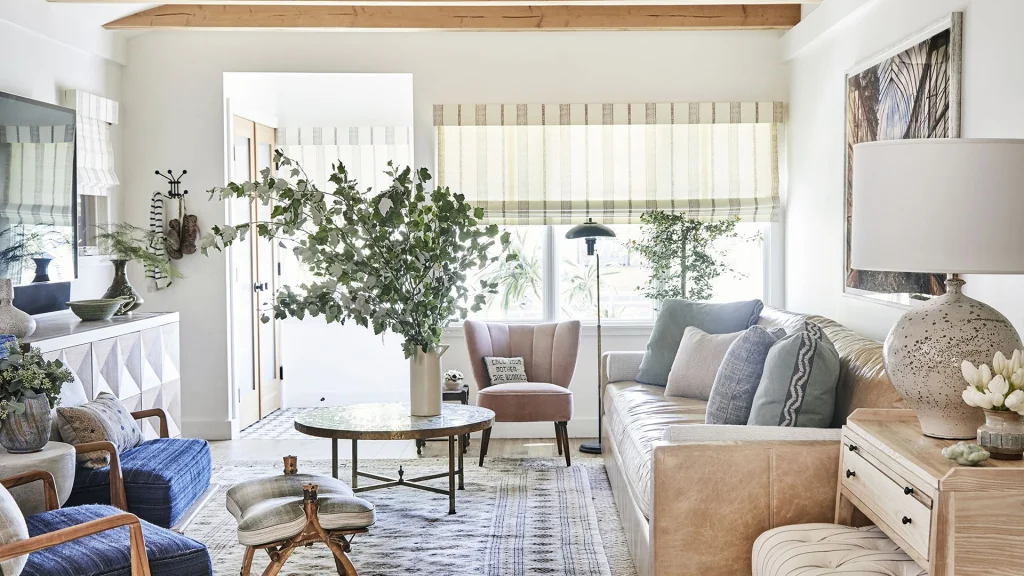
Modern cottage is the defining whole-house vibe for 2026. It takes the clean lines people liked about modern farmhouse and softens them. Think less barn doors and shiplap, more antiques, natural materials, and curved furniture. The goal is a lived-in feel that looks like it happened over time, not over a weekend.
This style works for new homeowners because it does not demand perfection. A scratched wood table fits right in. A mismatched chair just adds soul. Start with natural materials like wood, stone, linen, and clay. Add curved lines where you can, like a rounded coffee table or a barrel-back chair.
Try a simple six-color whole-house palette. Use creamy white for the walls, a warm taupe for large furniture, sage green for accents, deep brown for wood tones, soft blue for textiles, and a pale oatmeal for trim.
Spend your first dollars on a comfortable sofa or a solid wood dining table. Then follow the one-antique-per-room rule. Just one older piece stops a new house from looking like a catalog. A vintage dresser in the bedroom or a salvaged wood mirror in the hallway does the job perfectly. Keep a strong visual connection to the outdoors with unblocked windows, a few hanging plants, or garden-adjacent seating. Cohesive home decor starts with letting the room breathe.
2. Warm Neutral Classic (Earth-Toned All Over)
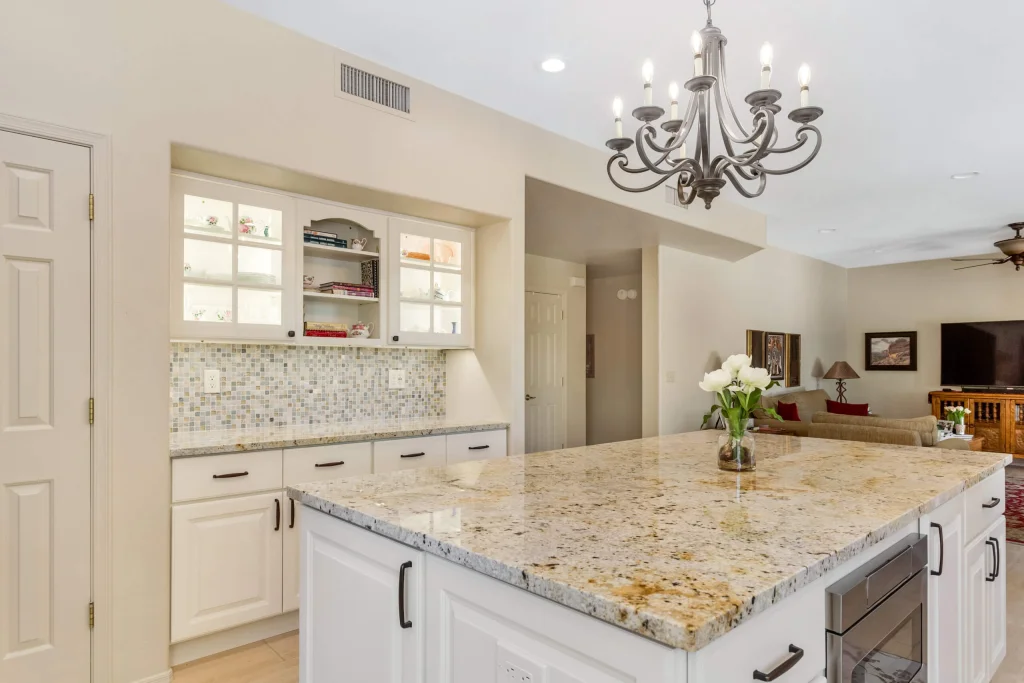
If you want a safe bet that still feels current, build your whole house around warm neutrals. Color specialist Jennifer Ott put it plainly in a recent Houzz trend report. She said the reign of all-white interiors and icy gray palettes has definitely come to an end. Homeowners are now craving warmth, richness, and depth in their spaces.
Your whole house color schemes here are built on creamy beiges, warm taupes, and off-whites that read like canvas or parchment. Pick one dominant neutral for your main living areas. Then choose two secondary hues for bedrooms and bathrooms.
Flat-panel cabinets in warm woods are a great unifier for this look. Houzz data shows flat-front cabinetry actually ranks as the second-most popular style right now, right behind Shaker. It looks clean but feels modern. Add depth to these neutral rooms with tactile fabrics. Linen slipcovers, cotton throws, and textured rugs keep the rooms from feeling flat.
Your first three moves should be swapping out any cool gray paint for a warm beige, adding linen pillows to the sofa, and swapping a glossy light fixture for something matte or aged brass.
3. Green-Everywhere (Green as the New Neutral)
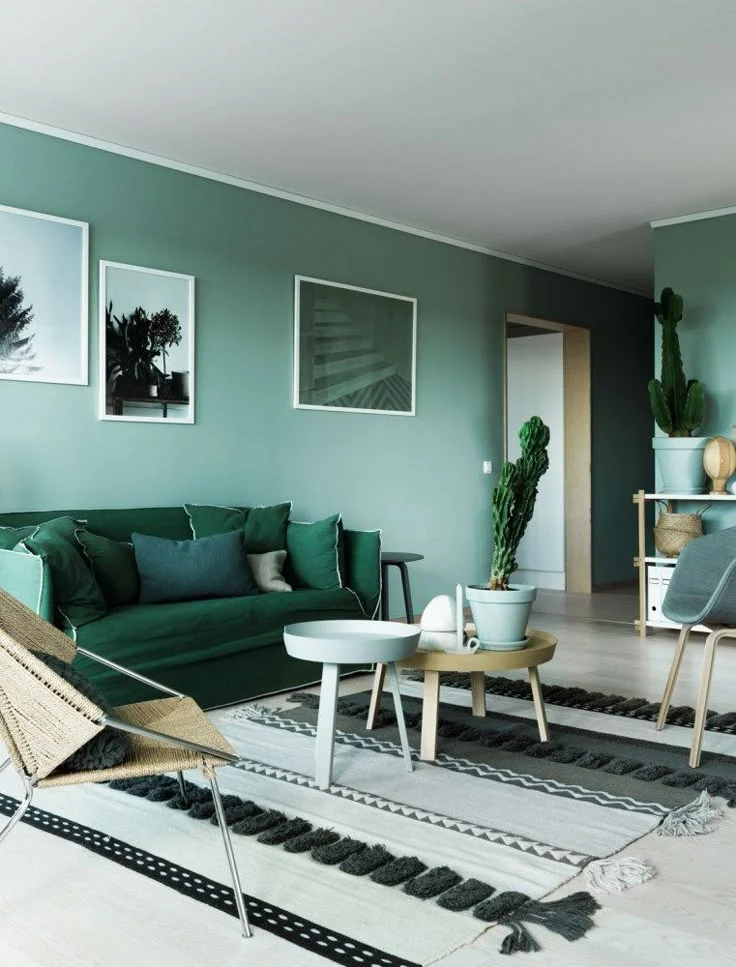
Green is stepping out of the accent role and becoming a base color. Houzz reports strong demand for sage, olive, and forest green tones in cabinetry, tile, and upholstery. You can anchor an entire room with green now without it feeling like a theme room.
The trick to making green work across a whole house is sticking to one family. Do not mix a bright mint in the bathroom with a deep forest in the dining room. Pick your green and vary the shade slightly for different rooms. Sage works beautifully in a kitchen paired with handmade tile and a veined marble counter. A muted blue-green feels restorative in a bedroom. A deeper olive reads as grounded and sophisticated in a living room.
If committing to green cabinets feels like too much too fast, start small. Paint the inside of a bookshelf. Add a green bar cart to the dining room. Upholster a single accent chair. Pair your greens with warm wood tones and creamy whites to keep the palette feeling natural rather than loud.
4. Neo Deco Glamour (Geometry, Metals, and Drama)
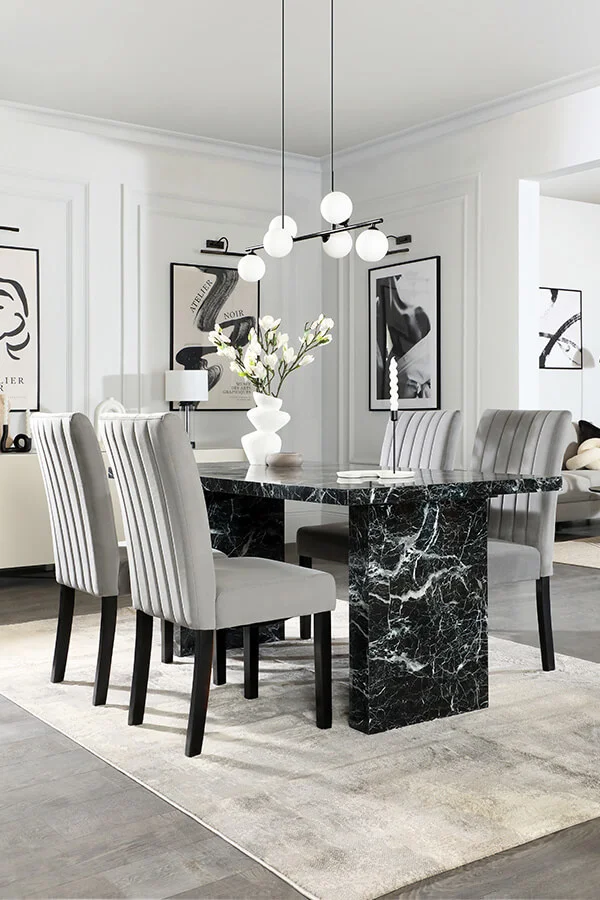
Art Deco is getting a modern update for 2026. Pinterest search data shows massive spikes for terms like pendant lamp, red marble bathroom, antique bar cart, brass aesthetic, and leather banquette. This is a high-impact theme for people who want their home to feel distinct.
The key to pulling off Neo Deco without making your house look like a movie set is keeping your base colors pared back. Use crisp whites, deep blacks, or warm creams for your walls and large furniture. Then layer in the drama through geometry and metal. Think chrome or brass edges, chevron patterns, fan arches, and rich leather.
Place your statement pieces where they matter most. A geometric brass chandelier over the dining table. A leather banquette in the entryway. A red marble vanity in a small powder room. You do not need this in every room. A little bit of Deco goes a long way. Start with lighting. Swap a basic builder-grade light for something with geometric lines and a brass finish. That single change sets the tone for the whole house.
5. Biophilic Soft Connect (Nature Without the Living Wall)
Biophilic design used to mean slapping a vertical garden on your wall. In 2026, it is a full-picture approach. It means using nature-inspired palettes, mindful materials, and organic shapes to make your home feel like a calm escape from screens.
You do not need a green thumb for this theme. Start with materials that feel like they came from the ground. Honed stone, raw wood, linen, rattan, and clay ceramics. Choose furniture with organic, rounded shapes instead of boxy silhouettes.
Bring in landscape art if you do not want real plants. Use stone tables that show their natural veining. A stone side table, a few linen cushions, and a textured plaster vase give you the biophilic feel without the maintenance of a living wall. Good Housekeeping and Forbes both flagged stone tables as a major 2026 trend because they blend performance with an organic look. They work just as well in a living room as they do as a focal desk in a home office.
6. Layered-Traditional (English Country Meets Modern Life)
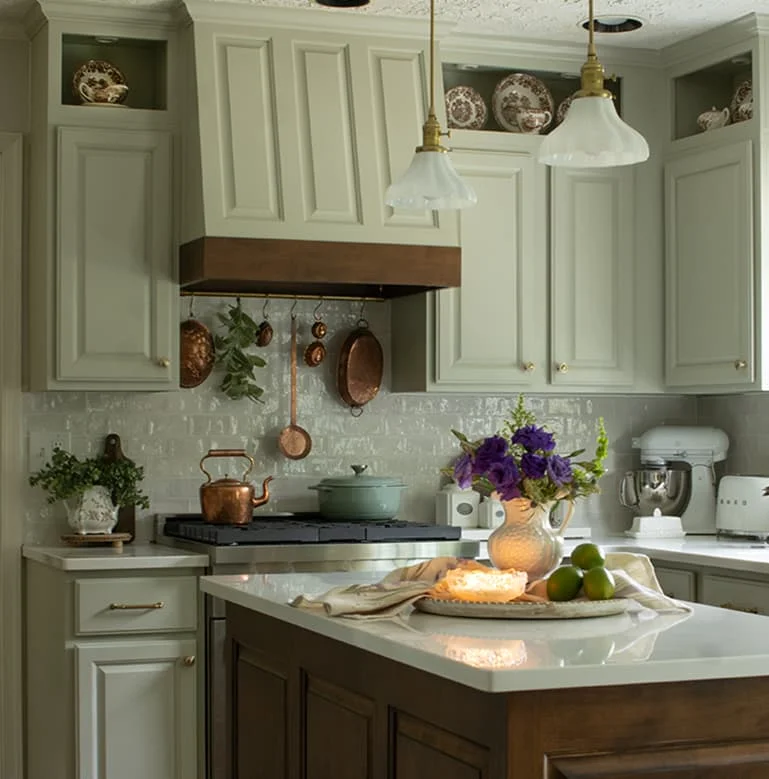
Traditional style is back, but it has dropped the stiff formality. According to Houzz, the share of homeowners choosing traditional style rose five percentage points this year. Today it draws from English country and modern Tudor influences but feels relaxed and quiet.
This whole-house theme uses olive green, taupe, deep brown, muted blue, and burgundy. You will see inset cabinetry, plate racks, arched range hoods, and richly stained woods. Curves, arches, and scalloped edges soften the spaces. Built-in paneling and detailed millwork add character without feeling fussy.
You do not need a custom build to get this look. Easy wins include hanging an arched mirror over a dresser, swapping a basic light switch plate for a brass one, or adding a wood top to a plain kitchen island. These heritage touches make a newer build feel like it has roots. Keep the furniture comfortable. Avoid anything that looks too delicate to sit on.
7. Coastal Earth (Not Your 2019 Beach House)
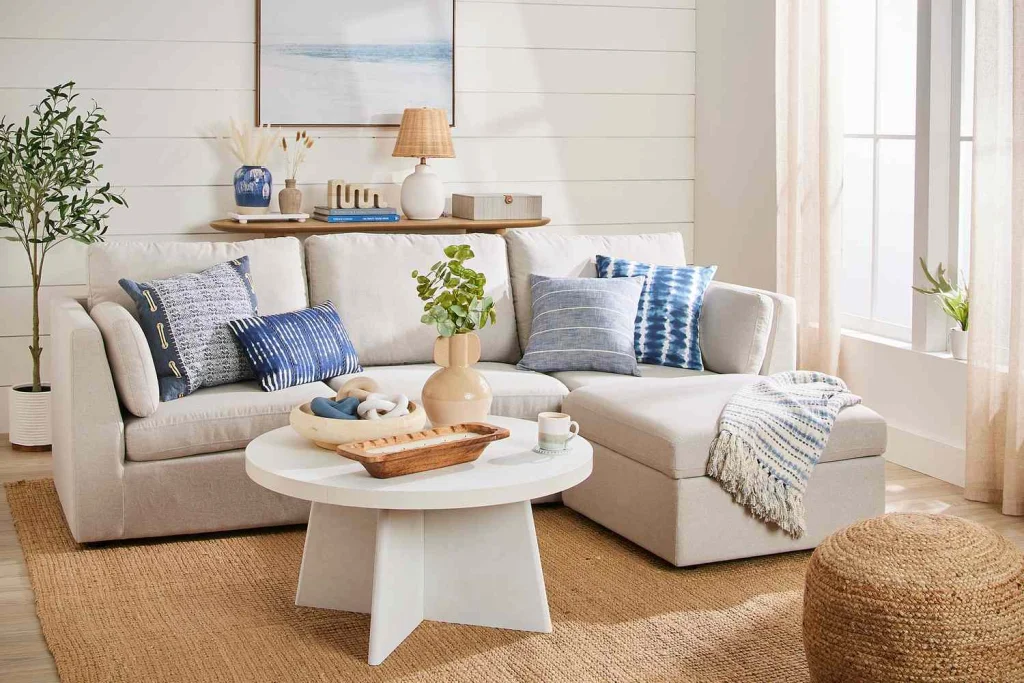
Forget the navy and white stripes and the sea glass accents. Coastal design has moved inland. Designer Abby Powell notes that summer interiors are becoming less coastal and overly bright. Instead, they are more earthy and atmospheric.
Your palette here shifts to warmer plaster tones, olive, clay, mushroom, muted saffron, and dusty blues. You still get the relaxed vibe, but it feels grounded. Use honed stone, textured plaster, aged wood, and linen to build out the rooms.
Stripes are making a comeback as a year-round staple rather than just a summer theme. Leah Hook of Gray Oak Studio says stripes are as classic as it gets without feeling ornate or old-fashioned. She predicts we will keep seeing them in wallpaper, rugs, fabrics, and decor through all four seasons. Add a striped linen rug to the living room or a subtle striped wallpaper to a powder room. Pair it with a stone table to anchor the organic feel.
8. Warm Minimalist (Soft, Not Stark)
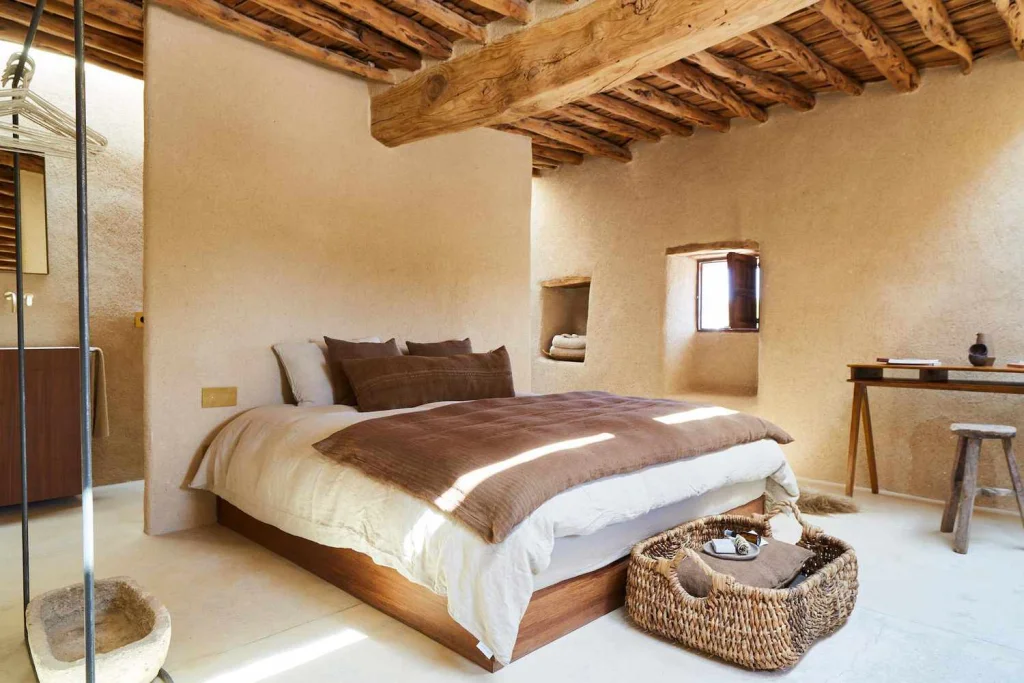
Here is a surprising truth about 2026 minimalism. It is not about buying less. It is about swapping materials and shapes. The old version of minimalism meant white walls, hard surfaces, and bare rooms. The new version uses texture and warmth to keep a space calm without making it feel cold. You often end up adding tactile layers, not removing them.
This changes how you spend money. Instead of buying a glossy white table, you buy a matte oak one. Instead of smooth leather, you choose nubby linen. The IKEA DYTÅG washed linen cushion cover is a perfect example. It costs $19.99, adds visible texture, and makes a simple sofa look rich. Etsy trend data shows linen and soft stitch textures are massive right now for this exact reason.
Keep your lines simple and your materials rich. Include one vintage or handmade element per room so the space does not feel sterile. A hand-thrown ceramic bowl on a clean white shelf. A woven wall hanging above a simple bed. That contrast between clean lines and rich texture is the whole point. These 15 whole-house decorating themes for new homeowners all work better when you understand this material swap.
9. Moody Grounded (Dark Accents, High Comfort)
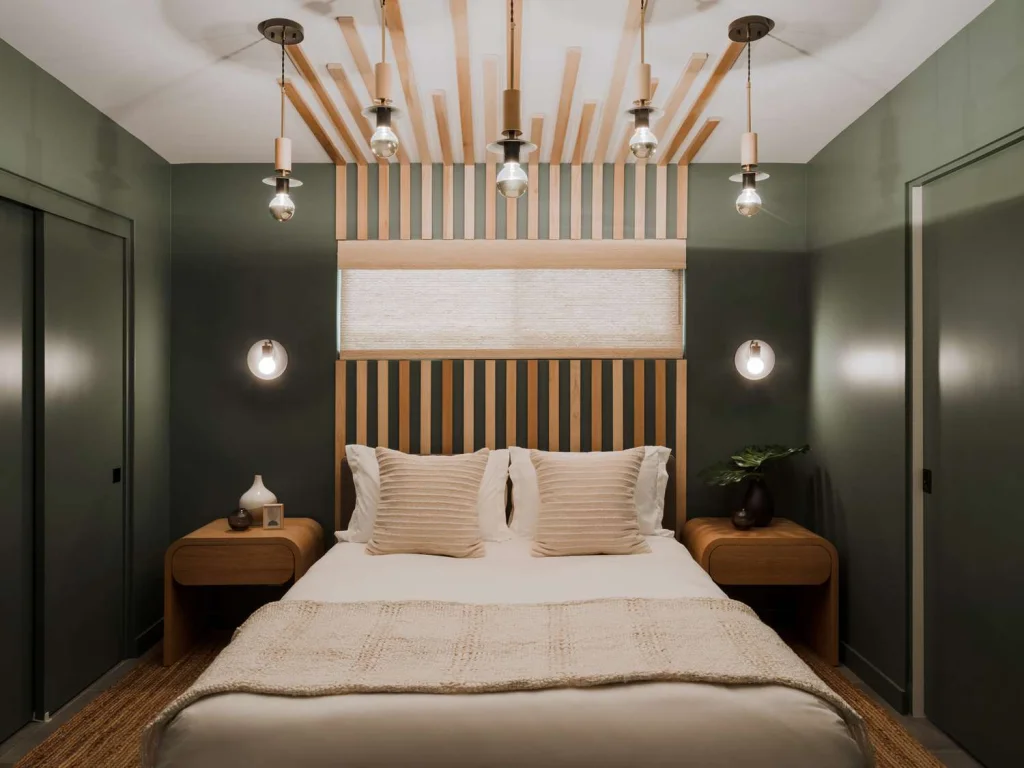
Dark colors are not just for bars and basement dens anymore. Using deeper tones like brown, cognac, tobacco, ink, charcoal, and deep olive adds weight and comfort to a room. The trick is knowing where to put them.
Do not paint a small, windowless room charcoal. Use your moody tones on lower cabinets, accent walls, or a single piece of furniture. A dining room with a deep olive accent wall feels enveloping for dinner parties. A powder room wrapped in dark ink paint feels dramatic but contained. Lower kitchen cabinets in a deep brown ground the space while upper white cabinets keep it airy.
Balance the dark tones with lighter textiles. Pair a dark accent wall with a creamy linen sofa. Put warm wood tones nearby to keep the room from feeling heavy. Brass or aged metal hardware pairs beautifully with these deep colors. It keeps the look grounded and keeps the room from feeling like a cave.
10. Heritage Revival (Wood Paneling, Vintage Mix)
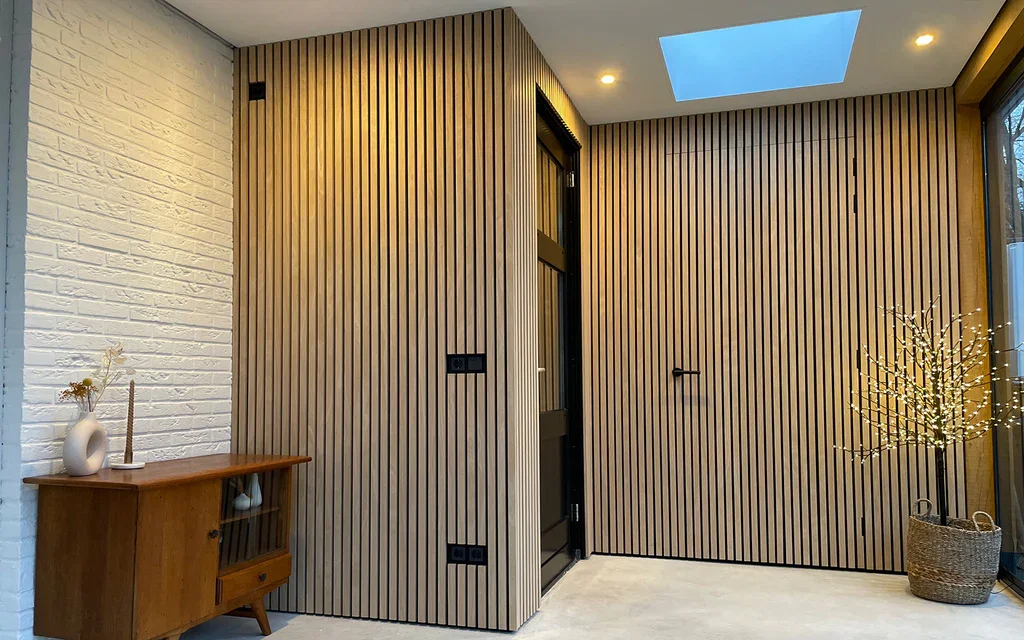
There is a strong modern nostalgia movement happening. Call it Nanna Chic if you want. Etsy and eRank trend data show wood paneling, fluted details, and stained oak accents coming back in a big way. The goal is to make your spaces feel curated over time rather than copied from a single store.
You do not need to cover your walls in 1970s pine to get this look. Think simpler. Add a strip of vertical wood slats behind the bed. Hang a vintage oak mirror in the entryway. Install fluted cabinet doors in the kitchen. Then mix those older elements with very basic, streamlined modern furniture.
A vintage wood dresser next to a simple modern bed. A reclaimed wood shelf over a clean white sofa. The tension between the old and the new is what makes it work. Just avoid going all-in on heritage pieces. If everything is old, the house looks like a time capsule. If everything is new, it looks generic. Half and half is the sweet spot.
11. Suite-Style Living (Primary as Destination)
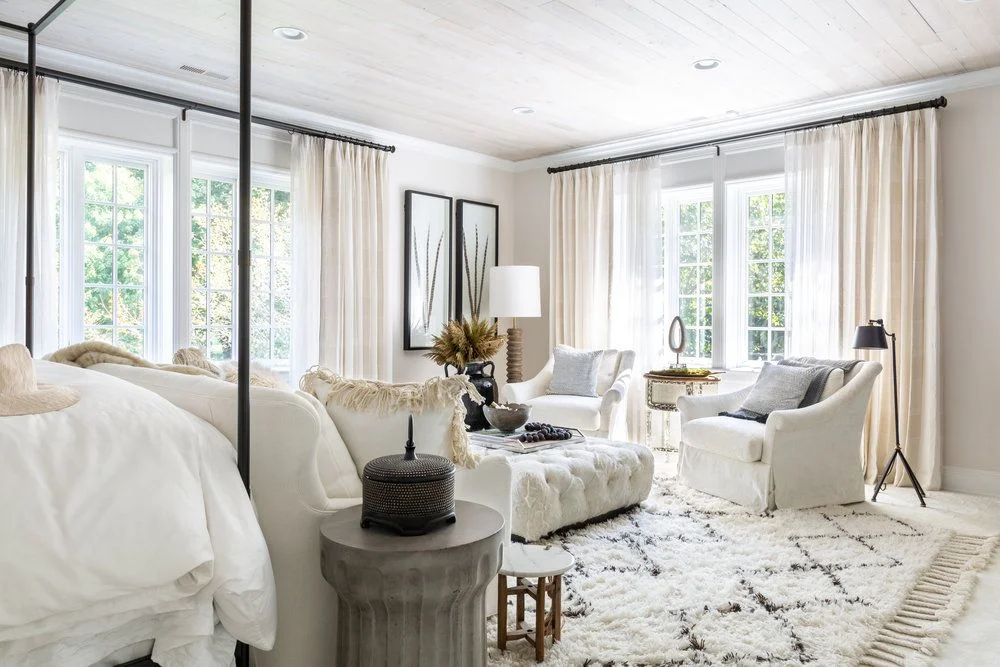
Your bedroom is no longer just a place to sleep. Designers Victoria Armour and Michelle Gage both note that clients want their primary bedrooms to function like boutique hotel suites. They want a lounge space within the room so they do not need to leave it on a lazy weekend.
This changes how you plan your whole-house theme. You need to allocate budget to bedroom seating and drapery, not just the bed. A comfortable chair, a small side table, and floor-to-ceiling drapes turn a basic bedroom into a destination. Keep the palette continuous with the rest of your house so the suite does not feel disconnected from the whole-home color story.
If your bedroom is open to a bathroom or a sitting alcove, use soft partitions instead of doors. Designer Danielle Balanis points out that fabric panels, called portières, offer a softer alternative to doors. They add beauty and flexibility while keeping spaces connected. Hang a linen curtain on a simple rod to separate a sleeping area from a small desk or reading nook.
12. Art-Forward Curated (Gallery Walls and Statement Photography)
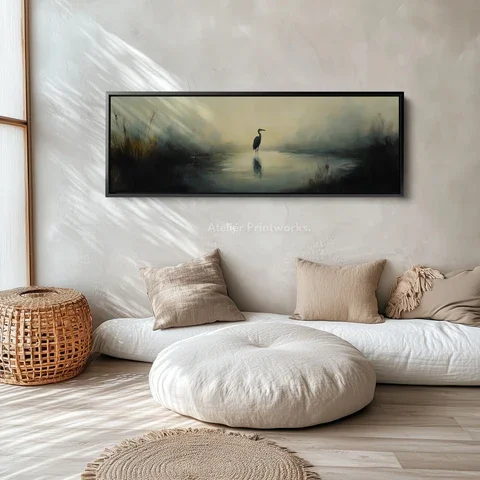
Let your personal art be the thread that connects your rooms. Emily Henderson flagged large-scale photographs and decorative wall plates as two decor trends that cross almost every style in 2026. Etsy data backs this up, showing a 110 percent search increase for wall art decor as people build personal galleries at home.
This theme works because art is inherently personal. It makes a cohesive home decor strategy easy because the art itself becomes the unifying element. You can have a neutral sofa in the living room, a wooden bed in the bedroom, and a simple table in the dining room. If the same style of art flows through all three rooms, the house feels tied together.
Scale your art to the room. Go bigger than you think you need. One large photograph over the sofa has more impact than five tiny frames. Use search terms like gallery wall set and statement wall decor when you shop to find pieces meant to work together. Mix a large framed photo with a few ceramic wall plates for a collected look that does not feel too precious.
13. Pattern-Play Whole-Home (Stripes, Tassels, Tapestries)
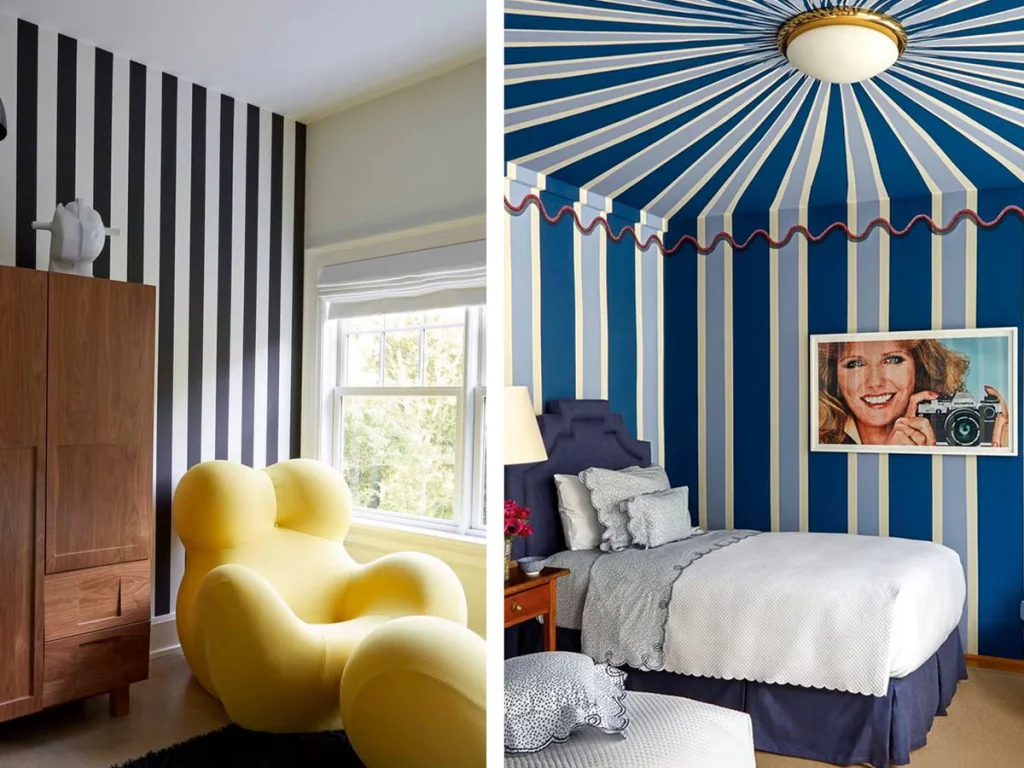
You do not have to stick to solids to make a house feel cohesive. Designer Ashley Avrea Cathey notes that mixing patterns creates a depth and energy in a space you cannot get with a few low-contrast fabrics. The 2026 rule is that patterns are the new neutrals.
Start with one lead pattern in a room, usually on a rug or drapes. Then let everything else support it. Vary the scale and type of pattern, but keep the palette restricted to closely related colors. Stripes are the easiest pattern to carry through a whole house. Leah Hook says we will keep seeing stripes in wallpaper, rugs, fabrics, and decor year-round.
Tassels, trims, and fringe are another way to add pattern through texture rather than color. Tapestries are also reclaiming wall space. Marissa Van Noy of Three Golden Cranes notes that tapestries offer texture, craftsmanship, and narrative depth. Hang a vintage textile on a blank wall and pull its colors into the room through pillows or rugs. Just stick to one color family across the house so the patterns talk to each other instead of shouting over each other.
14. Functional Flex (Hidden Storage and Adaptable Layouts)
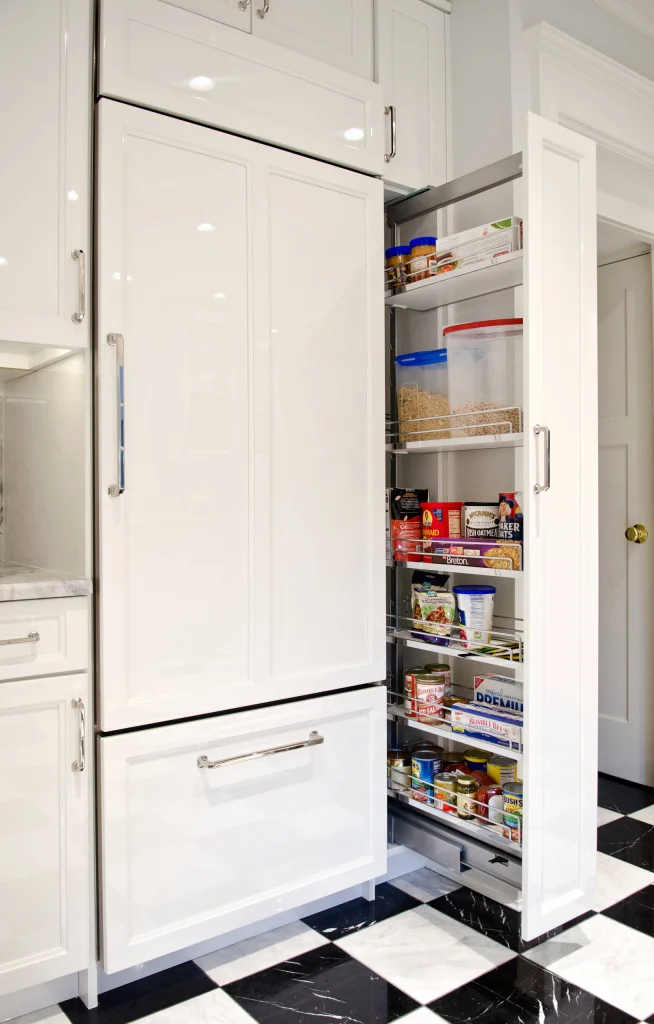
Good design in 2026 is not just about how a room looks. It is about how it works. Integrated, hidden features are a major trend. Think panel-ready appliances, concealed range hoods, and hydraulic-lift storage beds. These elements let the architecture recede so your furniture and decor can take center stage.
Houzz research shows that 66 percent of homeowners address special needs during bathroom remodels, often adding curbless showers and grab bars. But this idea of flexible, adaptable design is influencing the whole house. People are planning for aging in place and multigenerational living without making their homes look like hospitals. Wider walkways, single-level layouts, and easy-reach storage improve daily life right now, not just in the future.
You do not need a renovation to add function. Low-commitment moves work too. Roll a portable bar cart into the dining room for storage and style. Add a storage ottoman to the living room. Use a large basket to hide blankets. These functional pieces do double duty, which saves money and keeps your rooms feeling uncluttered.
15. Slow Decorator’s Mix (Meaning-First Maximalism)
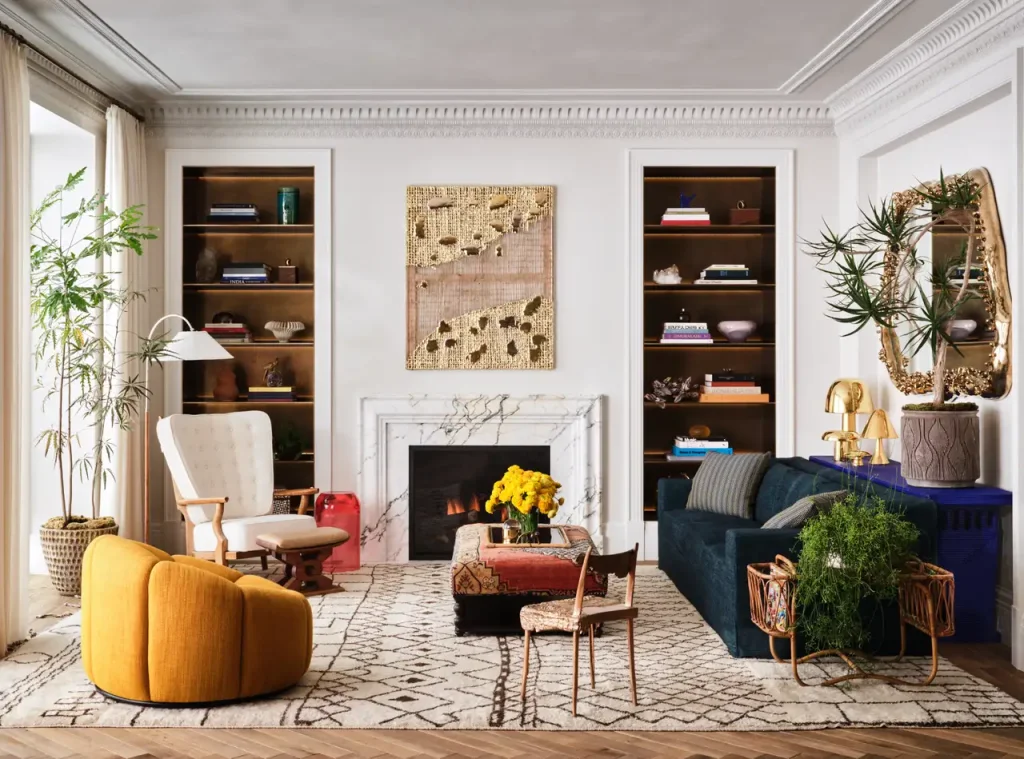
The best way to figure out how to choose interior design style is to stop trying to finish your house in three months. Janette Mallory of Janette Mallory Interiors says interiors are moving away from generic restraint. She believes timeless design is not driven by trends, but by atmosphere, intention, and materials that age beautifully.
This is meaning-first maximalism. Stephanie Hunt of The Flairhunter calls it the quirk quotient. It means using unexpected objects as art and letting Grandma’s hand-me-downs share a room with a modern sofa. The goal is to curate special pieces and personal items rather than just layering more stuff.
Etsy data shows shoppers are craving comfort, reassurance, and authenticity. They want warmth, texture, nostalgia, and handmade products that tell a personal story. Your practical starter moves for this theme are simple. Buy one real antique. Find one handmade textile, like a woven throw or a hand-knit pillow. Build one personal gallery wall. Avoid the impulse to fill every empty corner with fast furniture just to make the house feel done.
A quick note on what to skip right now. Designers expect scalloped pieces to look dated by the end of 2026 because the market is completely oversaturated with them. The matchy matchy look is also out. Overly matching furnishings, textiles, and wood tones make a house feel staged rather than personal. Let your rooms be a little mismatched. That is what makes them yours.
Your 90-Day Plan for a Finished-Looking Home
A cohesive home does not require fifteen simultaneous renovations. It requires a plan.
Take the next 90 days and break it into three phases. First, pick one theme from this list that actually matches how you live. Do not pick the one that looks prettiest on Instagram. Pick the one that fits your budget, your pets, your kids, and your daily habits.
Second, lock in your whole house color schemes. Choose six colors max. One dominant neutral for walls and large furniture, two secondary colors for cabinets or bedding, one trim color, and two accents. Paint the main areas first.
Third, buy three anchor pieces. A sofa, a dining table, or a bed frame. Get these right and the rest of the room can be filled in slowly with pillows, art, and lamps over the next year. Cohesive home decor is not about buying everything at once. It is about buying the right things first.
Tell me below which of these 15 whole-house decorating themes for new homeowners matches your new place. I want to know what era your house is stuck in right now and what you want it to become.