7 Steps to a Luxury Living Room Look Under $1K

✔ Written & fact-checked by Sophie — last reviewed June 16, 2026
What Makes a Room Look Expensive (It’s Not Money)
You moved into your first place. You’ve saved every “make it look expensive” post you could find. And your living room still looks like a dorm. Sound about right?
Here’s the good news. You can get a luxury living room look in your first home for under $1K. No renovation. No fight with your landlord. No giant couch you’ll regret in a year.
The trick isn’t spending more. It’s spending in the right order. Most people drop their cash on the wrong thing first, then wonder why the room still feels flat and empty.
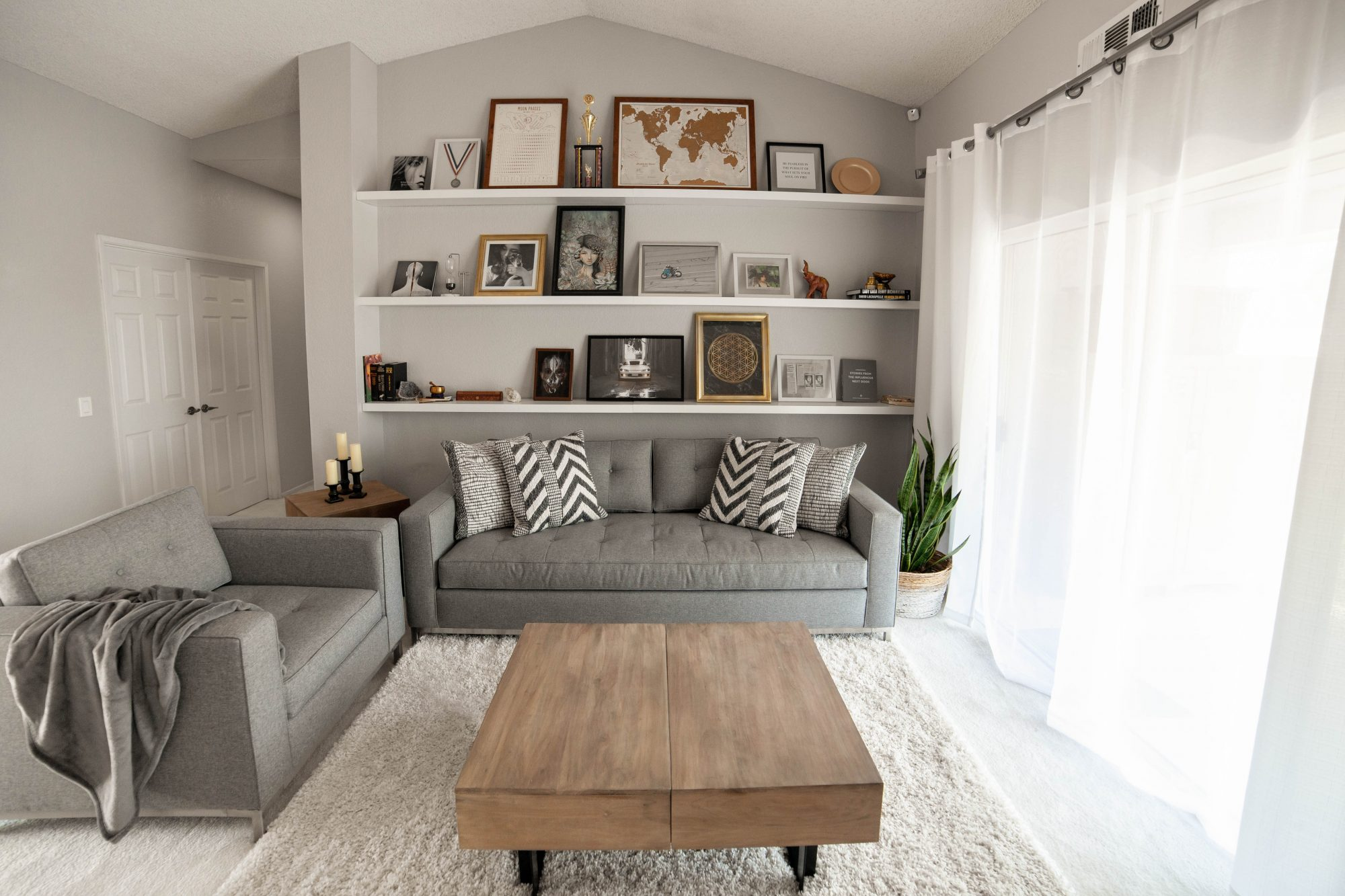
Designer Anu Jain told Veranda that the 2026 living room works like a personal gallery. It’s about telling your story, not buying the priciest stuff on the shelf. That idea runs through everything below.
This guide gives you a real $1,000 plan. You’ll see what to buy first, what to skip, and how to fake the expensive parts. Seven steps. Let’s put your money to work.
Step 1: Map Your $1,000 Before You Spend It
Before you buy a single thing, split your budget on paper. This one habit saves you from the classic mistake. You don’t want to spend $600 on a couch and have $400 left for the whole rest of the room.
Here’s a sample plan for $1,000:
- Rug: $180
- Lamps and bulbs: $140
- Curtains and rods: $130
- One vintage hero piece: $200
- Paint or faux molding: $90
- Pillows, throw, and texture: $120
- Art and small stuff: $140
Move the numbers around to fit your space. But notice what gets the most money. The floor, the windows, and the light. These shape how a room feels way more than furniture does. Leave yourself a little wiggle room too, since shipping and a rug pad add up fast.
Why so little for the big stuff? New furniture is pricey right now. Designer Jason Saft told Elle Decor that rising tariffs are keeping new prices high and pushing even pros toward vintage. So your $200 hero piece does more than a $200 deposit on a new sofa ever could.
Keep your current couch for now. Work around it. You can swap it later when you’ve saved up.
Step 2: Anchor the Room With One Vintage Piece
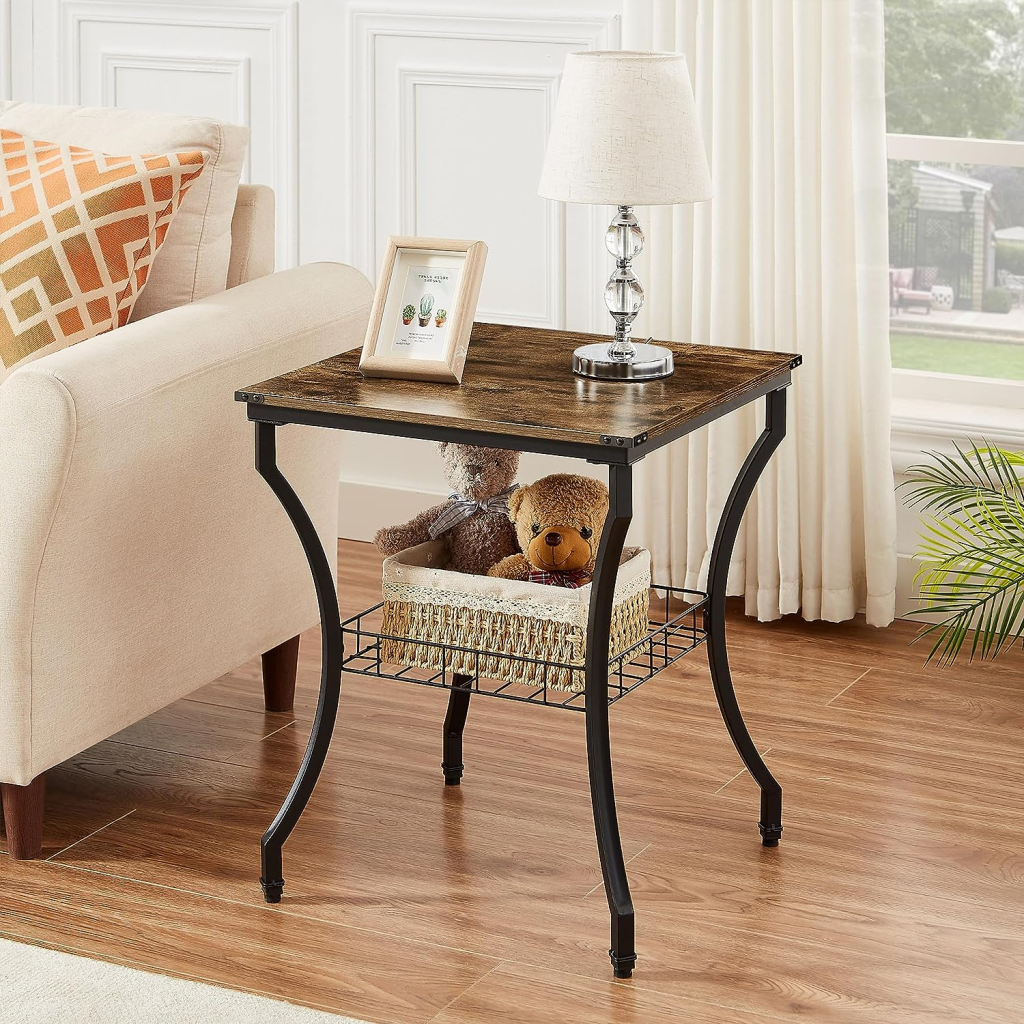
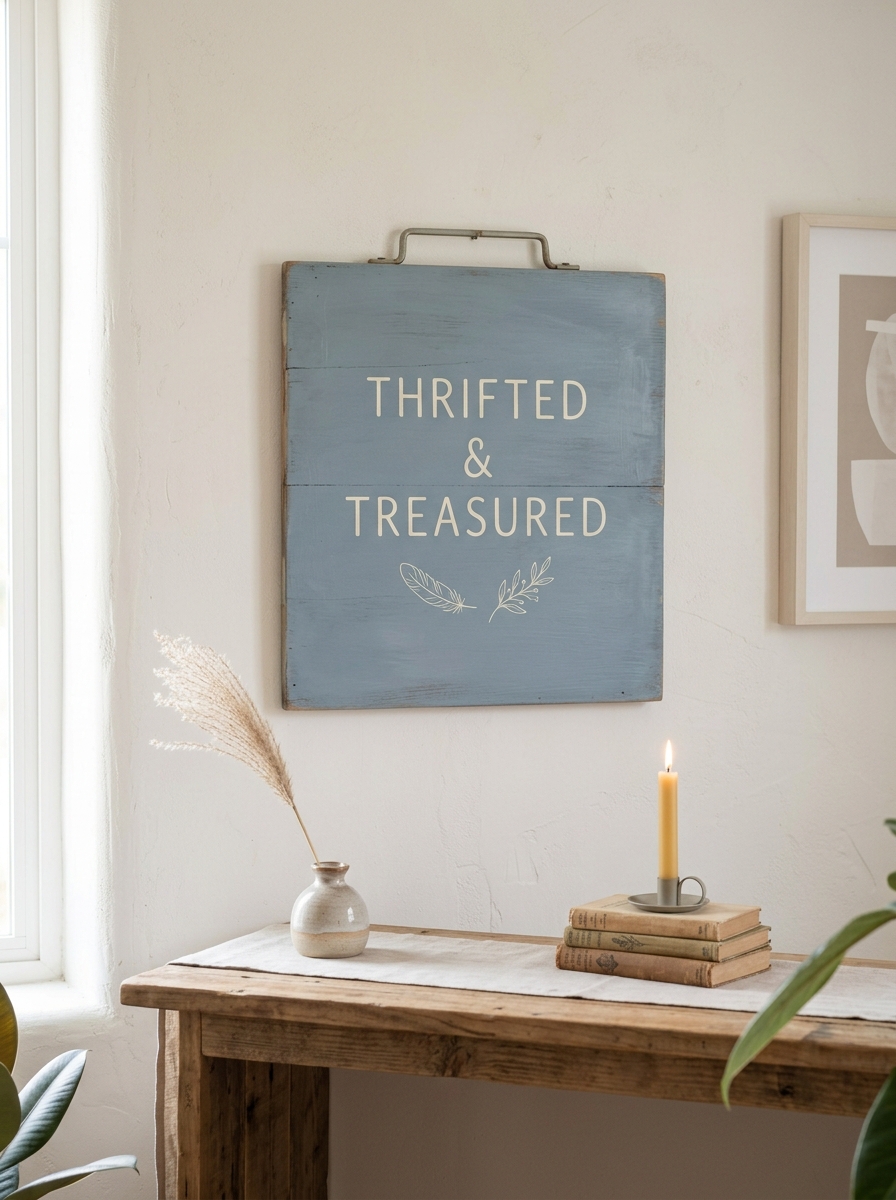
Now spend that $200 hero budget. Find one piece with real character. A vintage side table. An old wooden mirror. A worn leather chair. A brass floor lamp. Pick something that catches your eye and feels a little special.
Skip the matching set. Buying your whole room from one store is the fastest way to look cheap. Designer Jennie Rebecca Springer said it plainly in Parade. You don’t want your room to look like you won a shopping spree at one shop.
Vintage works because it brings age and a story that new things can’t fake. Designer Katie Gutierrez told The Spruce to mix old and new on purpose. Pair your grandma’s brass candlesticks with a plain modern table. Think less about styling and more about telling a story.
Hunt on Facebook Marketplace, estate sales, and thrift shops. Look for solid wood, real metal, and signs of age like a soft scratch or a faded finish. Those flaws are the whole point. Go slow. The right piece tends to show up once you stop forcing it.
One old, slightly worn thing beats five shiny new ones. It’s the piece guests will ask about first.
Step 3: Size Your Rug Right
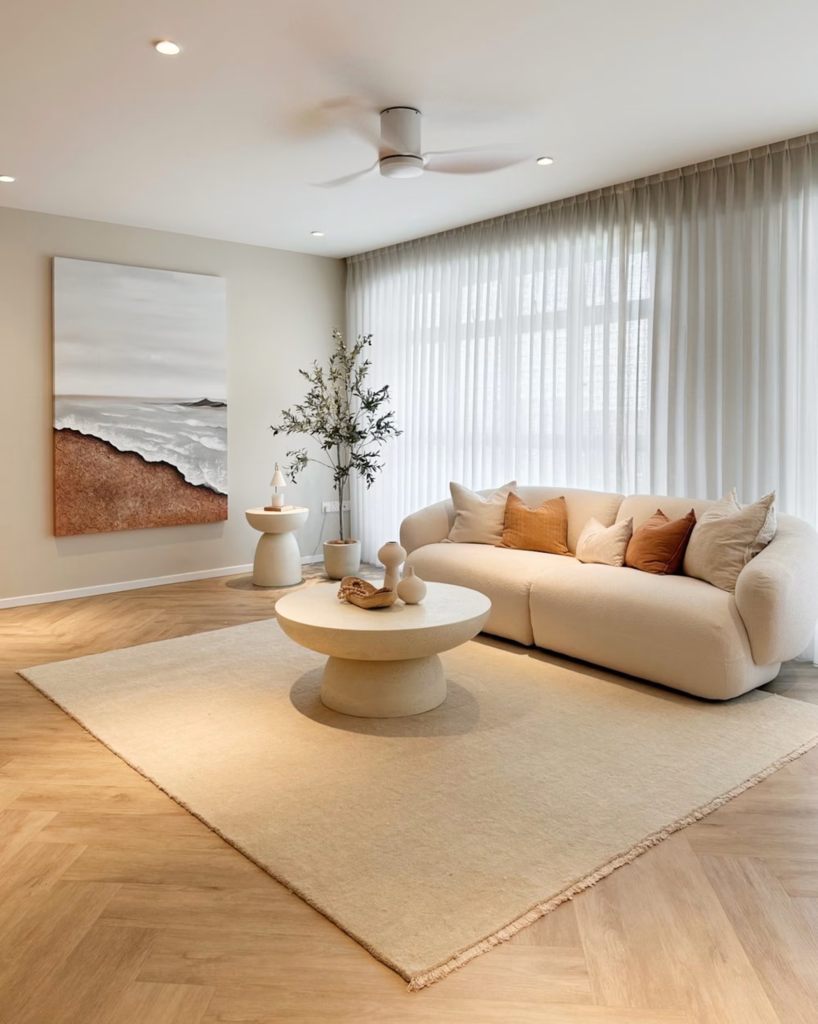
A rug can make or break the whole look. And the number one mistake is going too small.
Here’s the rule designers use. The front legs of your sofa and chairs should sit on the rug. Even better, fit the whole seating group on top of it. A tiny rug floating in the middle of the floor reads cheap. It makes the room feel like a waiting area.
For most first living rooms, that means an 8×10 or bigger. Not a 5×7. Size up, not down. When in doubt, go one size larger than feels right.
You don’t need to spend a fortune. Washable rugs that look vintage run about $80 to $200 for an 8×10. Brands like Ruggable cost way more, around $585 for a 9×12 even on sale. A look-alike from Amazon does the same job for a first apartment with spills and maybe a pet.
Want extra credit? Layer a small vintage rug over a cheap jute base. Designer Bethany Adams told Homes & Gardens that vintage rugs often cost less per square foot than new ones, and they add instant character on top of that.
Get the rug right and you’ve done half the work to make a living room look expensive on a budget.
Step 4: Layer the Lighting and Skip the Overhead
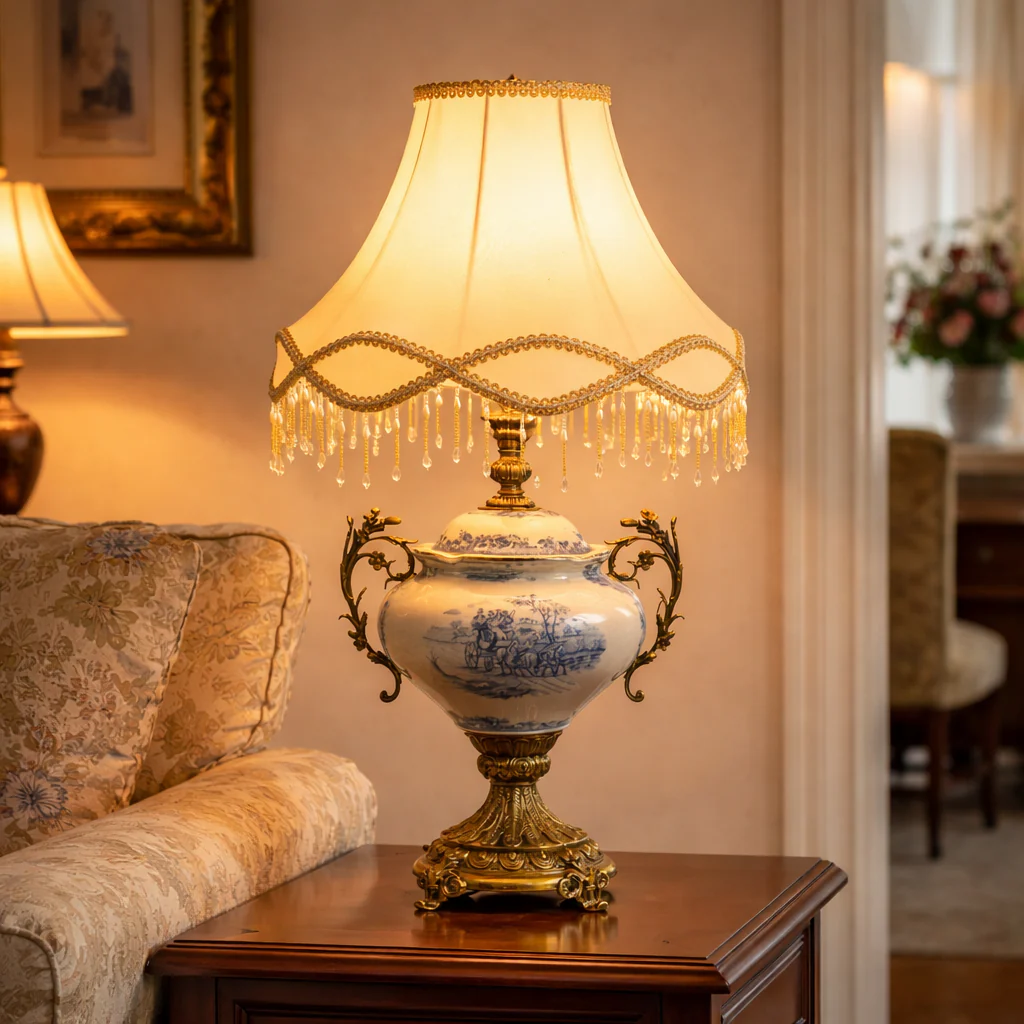
That bright ceiling light? Turn it off. It’s making your room look like an office.
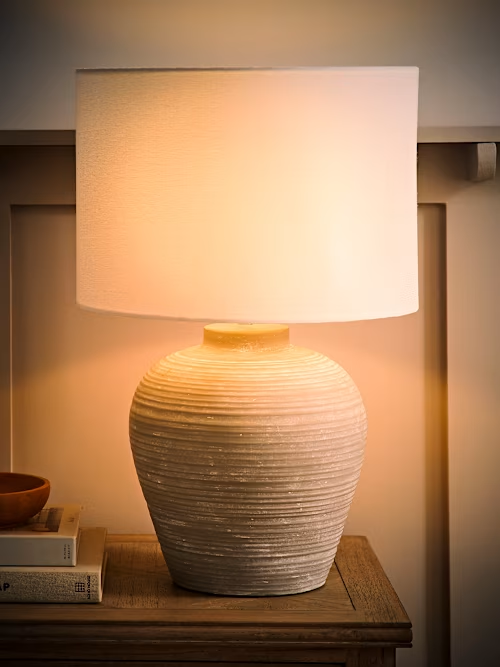
Real luxury comes from soft light down at eye level. Designer Dusti Jones told Dengarden that most rooms need more lamps to get that warm, human glow. Her tip is to spread lamps all around the room instead of leaning on one source.
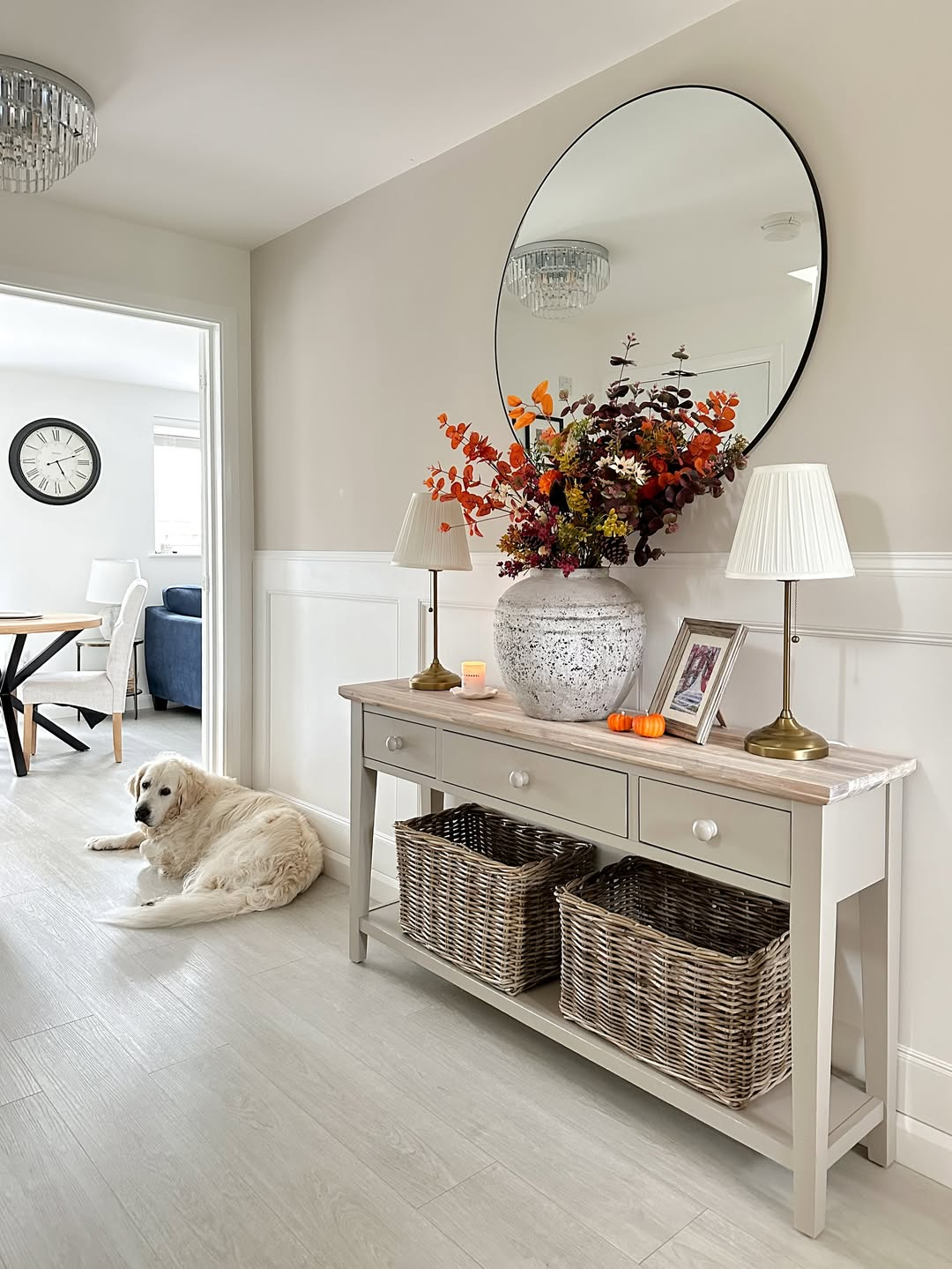
Aim for two or three lamps at different heights. A table lamp on your hero side table. A floor lamp in a corner. Maybe a small one on a shelf. The light pools in different spots and the room feels fuller.
The bulb matters as much as the lamp. Use warm white bulbs, not the blue-white kind. Warm light makes wood, fabric, and skin all look softer and more expensive. A cheap plug-in dimmer helps even more.
The best part for renters? This needs zero wiring. Lamps just plug in. A pair of nice ones runs about $60 to $160 total.
Light fixes more than people expect. The same room feels twice as good the second you ditch the harsh overhead.
Step 5: Hang Curtains High and Wide
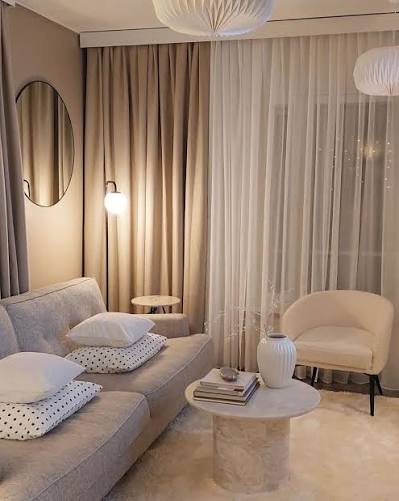
Short curtains are the biggest giveaway that a room is cheap. You know the look. Skinny panels that stop halfway down the window, stuck right at the frame.
Fix this and the whole room grows. Hang your rod close to the ceiling, not at the top of the window. The higher rod tricks the eye into seeing taller walls.
Go wide too. Your panels should be about two to two and a half times the width of the window. That gives them a full, gathered look instead of flat and skimpy. Measure your window first, then double it before you buy.
Length matters just as much. Curtains should just kiss the floor. Never let them hover above it.
For fabric, faux linen looks rich without the cost. It has a soft, natural texture, and some panels block most of the sunlight too. Plan on about $60 to $150 to dress one window the right way, rods included.
This is renter friendly living room decor at its best. Two screws, a rod, and you’re done. Patch the small holes with toothpaste or filler when you move out.
Step 6: Fake the Architecture and Add One Bold Wall
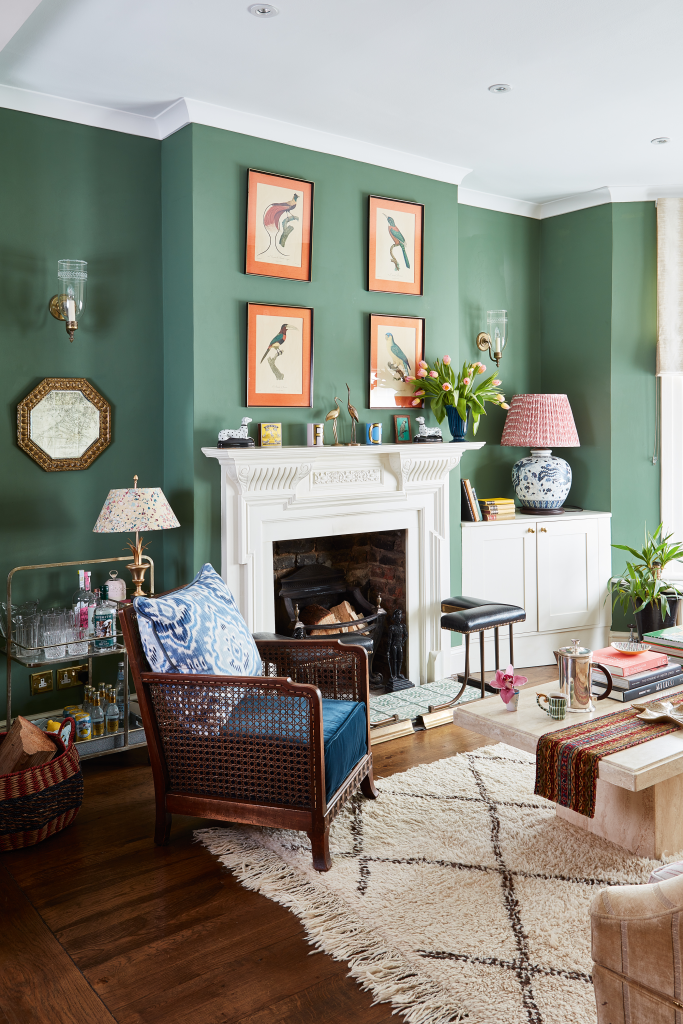
Cheap rooms feel flat because the walls have nothing going on. Builders hand you blank drywall. Your job is to give it some character.
Two easy moves do it. First, picture frame molding. You make simple rectangle shapes on the wall with thin trim. Apartment Therapy showed it as a weekend project that works for renters too, using removable options. It costs under $100 in materials and makes plain walls look custom.
Second, color. Skip the safe all-white. Designer Jennifer Cataldo told reporters that flat builder walls feel cold and one-note. She likes limewash and plaster finishes that add texture and depth instead.
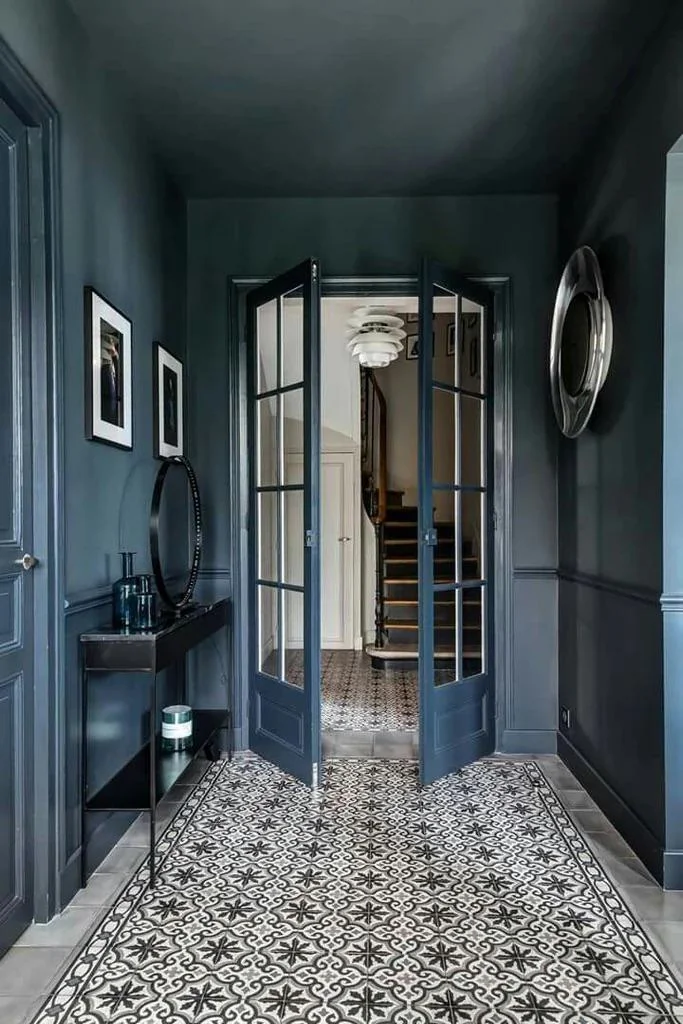
Try one bold accent wall. A deep green. A soft clay. A moody blue. Even the ceiling is fair game. The team at Bontempi calls painting the ceiling a color “colour capping,” and it’s a big look for 2026.
Renting and can’t paint? Peel and stick wallpaper works great. So does limewash on a primed board you lean against the wall. You still get the look, and your deposit stays safe.
Step 7: Layer Texture, Then Style the Last 10%
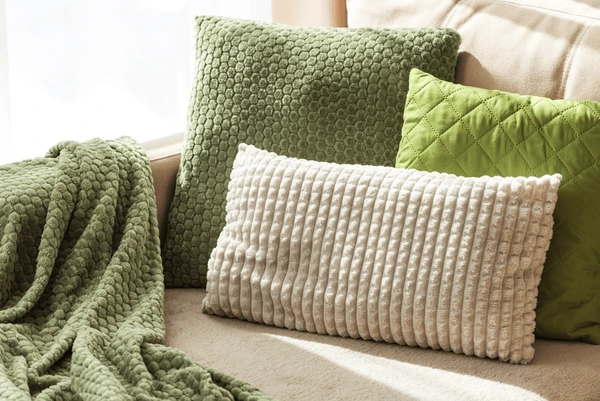
You’re almost there. The final touches pull the whole thing together.
Start with texture. Mix different fabrics so the room feels rich and full. Washed linen, velvet, and wool all read expensive. One thing to skip though. Cream bouclé. It was everywhere, and designer Terri Brien told Parade the look has run its course into a sea of matching fuzzy pillows. Pick something with more life instead.
Want a custom look for cheap? Designer Catherine Schultz told Dengarden to add trim, fringe, or tassels to a plain pillow. Etsy sells trim by the yard. Suddenly a $15 pillow looks designer.
Add one patterned piece for personality. Studio McGee’s Shea McGee says pattern on pattern is back for 2026, with florals leading the way. A single floral pillow or a striped throw does the trick without taking over.
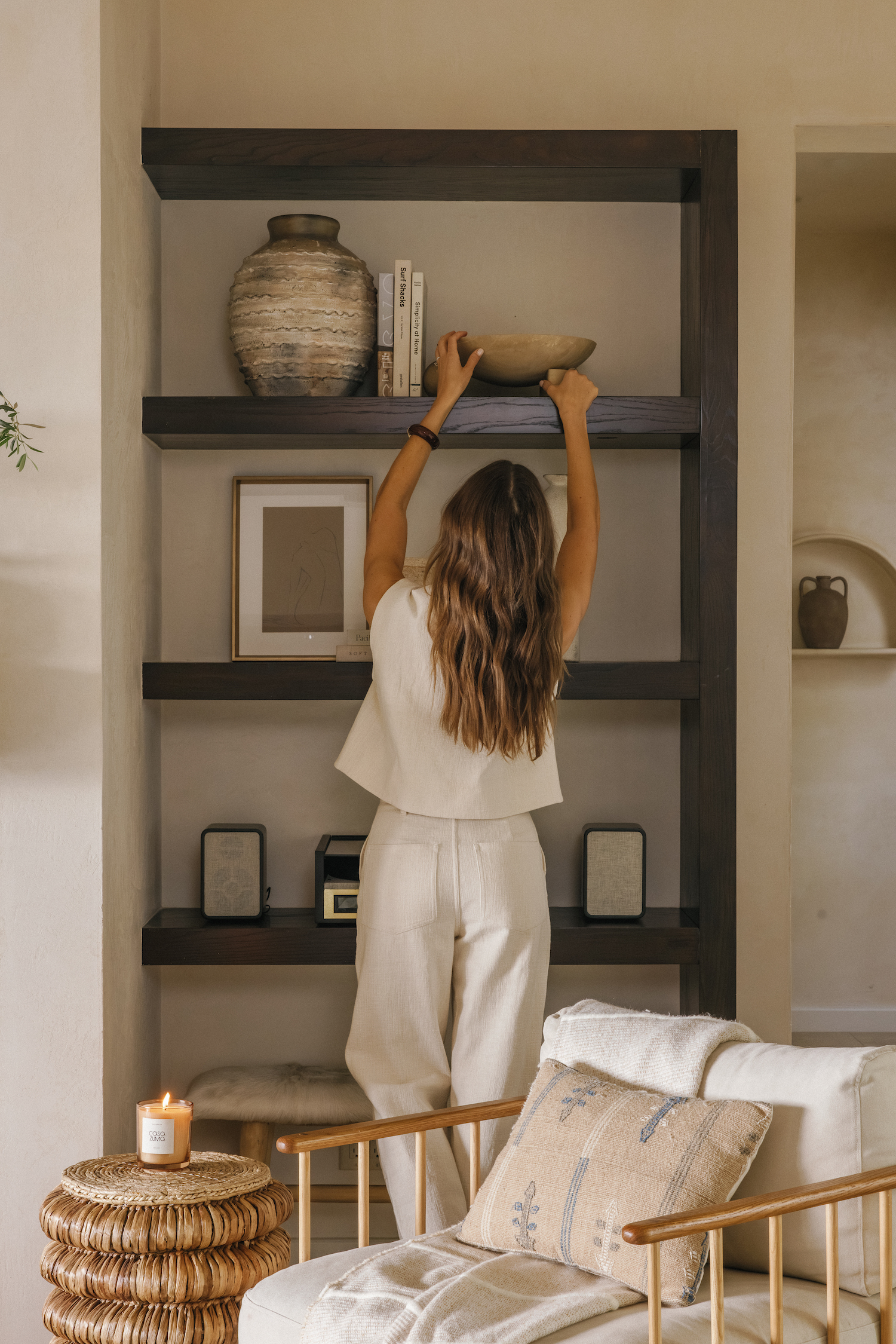
Now style the last bit, and edit hard. A few brass objects. A small stack of real books. One real plant, not a plastic one. Designer Fariha Nasir told Better Homes & Gardens that fake, plasticky plants cheapen a space fast.
Here’s the part most people get wrong. More is not better. Pinterest predicts bolder rooms for 2026, and the platform has been right about 88% of the time over six years. But on a budget, holding back still looks richer than piling on. One brave piece plus a light hand beats a room stuffed with stuff. That balance is the heart of a luxury living room look.
Your Room, Your Story
Look at what you just did. You didn’t buy luxury. You built it, piece by piece, for under a grand.
That’s the real secret behind every expensive looking living room. It’s not the price tag. It’s the mix. A right-sized rug. Soft, layered light. Tall curtains. One old piece with a story. A wall with some guts.
Designers keep saying the same thing for 2026. A room that looks rich is a room with a point of view. Anu Jain called it a personal gallery. You just made one of your own.
So don’t rush the rest. Buy slow. Thrift without fear. Let the room grow with you over time.
The best first step you can take today? Turn off that overhead light and switch on a lamp. You’ll feel the difference before you spend another dollar.