5 Steps: Where to Start Decorating When You Move In

✔ Written & fact-checked by Sophie — last reviewed June 26, 2026
The Blank Canvas Panic
You just unlocked the door to your new place. The echo is deafening. Boxes are stacked to the ceiling. You look at the bare walls and feel completely stuck. You see perfect rooms on Instagram. You feel like you need to buy everything in one day to make it look like a home. You do not. Learning how to decorate a new house feels impossible when you have no idea what to buy first. You might want to run to the hardware store and grab paint. Stop right there. Figuring out where to start decorating when you move in does not require a massive budget. It does not require an interior design degree. It just requires a sequence. If you follow a prioritized process, you save money and prevent regret. You avoid buying things you end up hating six months later. We are going to walk through exactly what to do first, second, and third. This takes the pressure off. You can stop staring at empty walls and start making real progress.
Step 1: Live in the Space First
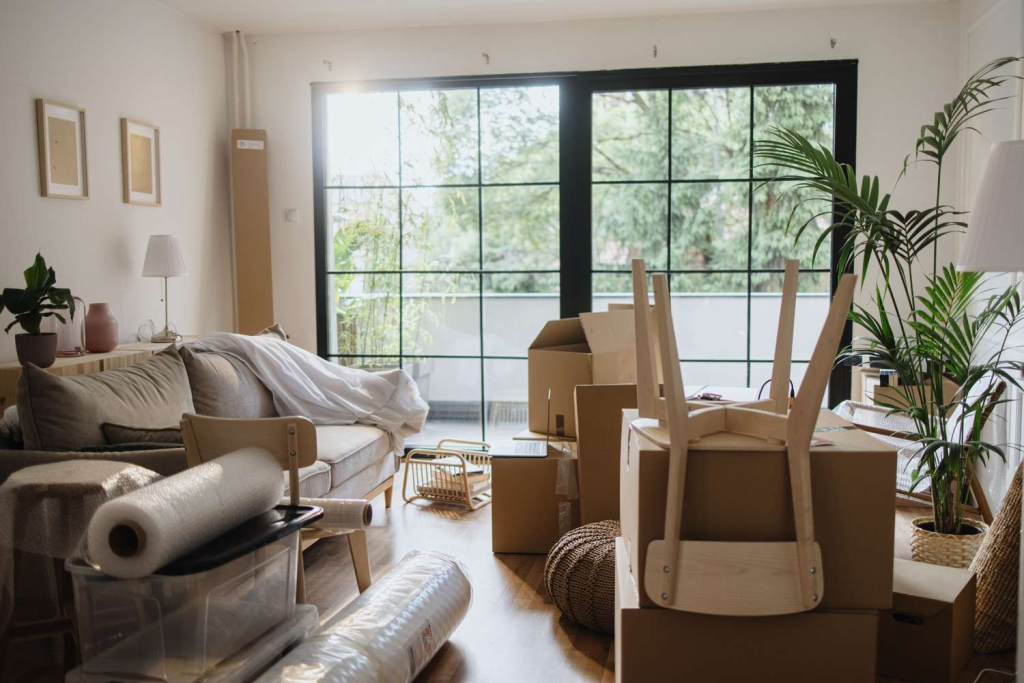
The first thing you should do is absolutely nothing. This sounds crazy. You want to get started immediately. Designers swear by this approach. Live in the empty space for two to four weeks before making a single purchase. You need to see how natural light moves through the rooms at different times of day. You also need to map out your daily foot traffic. If you buy a sofa immediately, you might block the path you naturally walk to the kitchen. Designer Leanne Ford told Domaine Home, “Don’t rush to fill the space. Live in it, see how the light moves, and let the house speak to you before you buy.”
Grab a piece of paper and track where the sun hits at 9 AM versus 5 PM. Notice which rooms feel dark in the afternoon. This tells you where you need blackout curtains. It tells you where you can put a reading chair. Put painter’s tape on the floor to mark where you think furniture should go. Walk around the tape for a few days. See if the flow makes sense. Leave the walls bare for a minute. It is okay. Do not hang random posters just to fill the space. This phase costs nothing. It saves you from making expensive layout mistakes.
Step 2: Where to Start Decorating When You Move In With Lighting
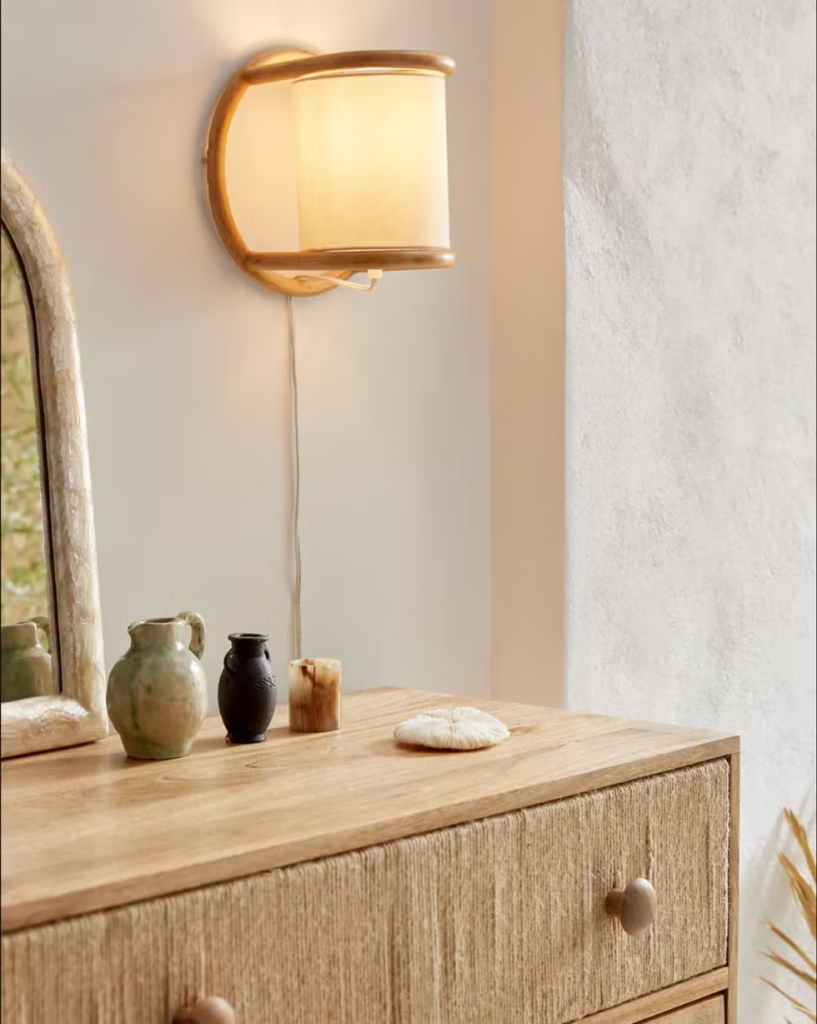
Builder-grade lighting makes every house feel like a hotel hallway. Swapping out those basic flush mounts is the easiest first weekend project. House Beautiful flagged un-builder-grade lighting as a major shift. They noted that statement sconces and pendants make a new house feel custom without a renovation. Lighting dictates how your paint and fabrics will actually look. You need three types of light in every room. Ambient light is your general room light. Task light is for reading or working. Accent light highlights objects or architecture. Do not just rely on one overhead bulb.
Pay attention to the color temperature of your bulbs. Buy 2700K bulbs. They give off a soft, yellow light. Avoid 5000K daylight bulbs. They make a living room feel like a hospital waiting room. Add plug-in swivel wall sconces from brands like Schoolhouse or Rejuvenation. They cost between $120 and $250 per sconce. They add layered light without needing an electrician. You just screw them into the wall and plug them in. This gives you immediate impact. It sets the mood for the whole room. A room with bad lighting will never look good, even if you spend thousands on furniture. Fix the light first. Everything else will look better.
Step 3: Anchor the Room with Textiles, Not Paint
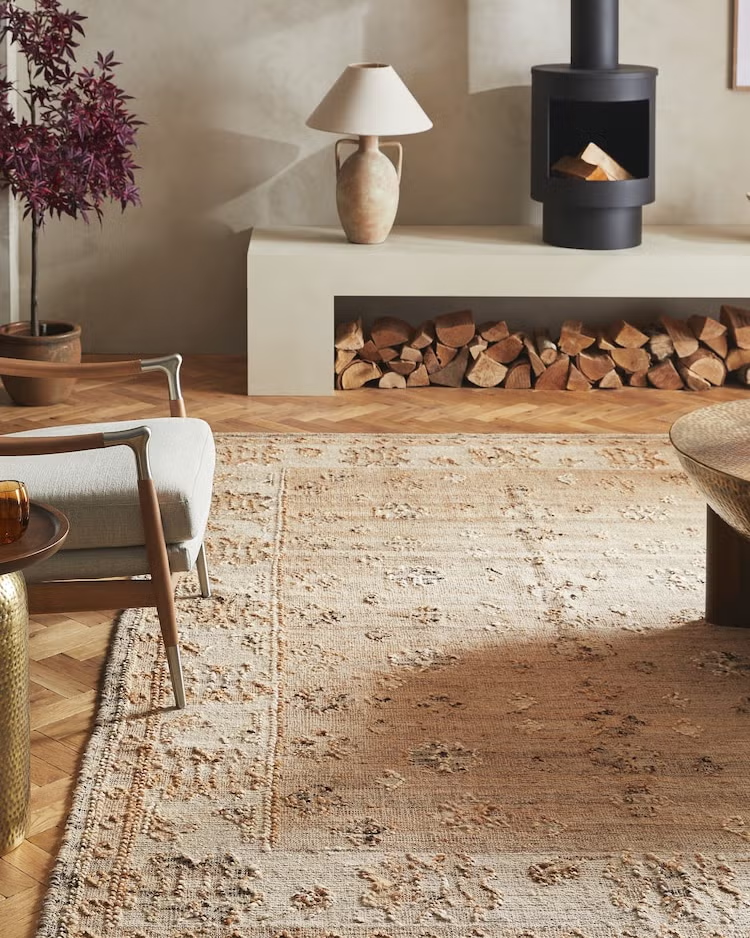
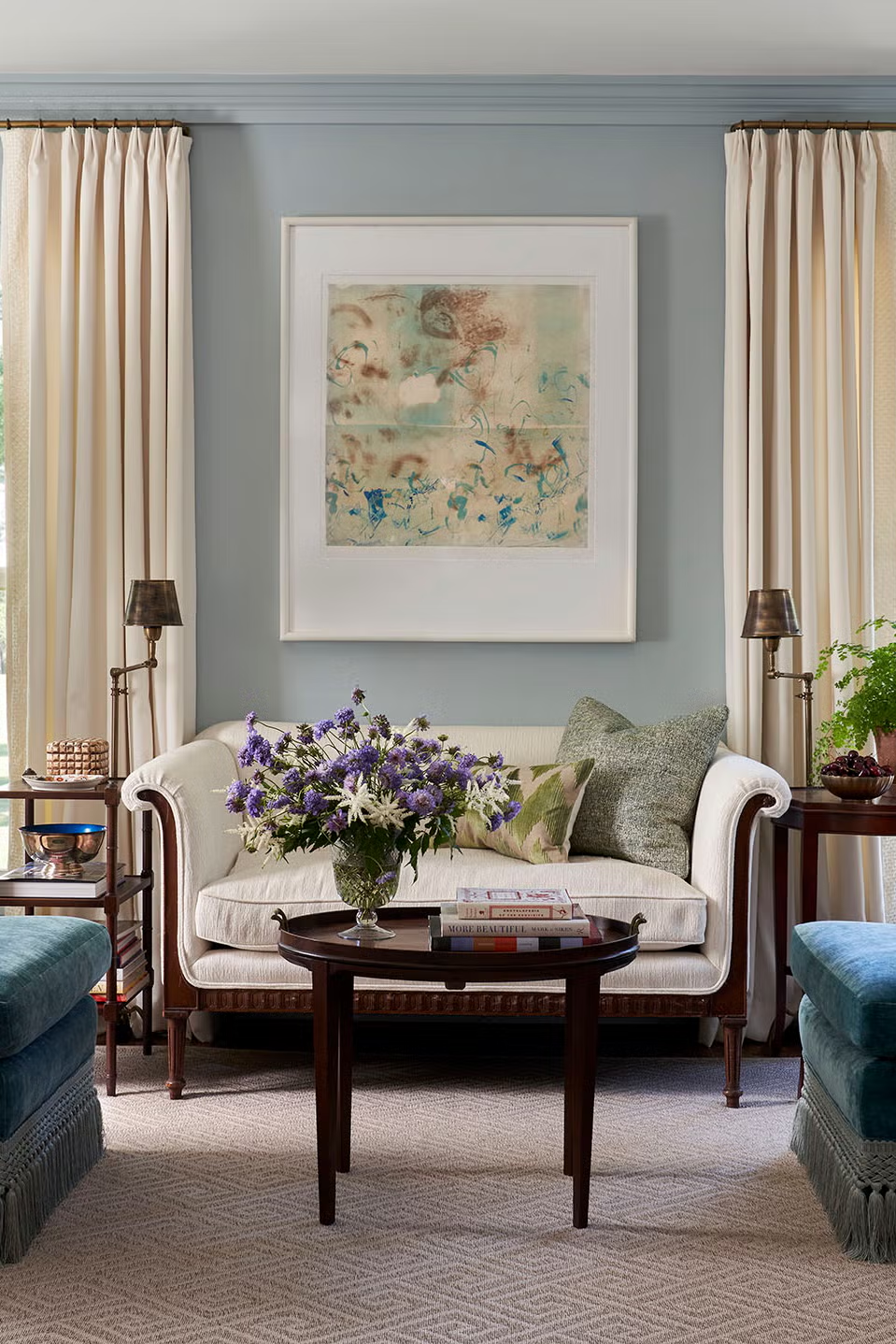
When deciding on the first room to decorate in a new home, people usually grab paint swatches. That is a mistake. You should start with a foundational textile instead. Find a rug, a large piece of art, or a hero chair that you love. Build your color story from that item. Architectural Digest and Elle Decor both highlighted warm minimalism as a major trend. Instead of buying bulky accent chairs immediately, focus on layering textures. Use materials like bouclé, raw wood, and linen to make an empty space feel warm. This prevents the room from looking sterile. Designer Kelly Wearstler advises, “Start with a grounding element. A rug, a piece of art, or a textile. Something that dictates the color story before you touch the walls.”
Look for a wool and jute blend area rug from brands like Article or Ruggable. Expect to spend $250 to $600. A durable, textured rug is the best first purchase to anchor the room. Pull out two or three colors from that rug to use for your throw pillows and curtains. This creates a unified look without requiring you to buy matching furniture sets. Matching sets look dated. Make sure the rug is big enough. A rug that is too small makes a room look chopped up. All your front furniture legs should sit on the rug. This connects the pieces together.
Step 4: Define Your Zones Before Buying Furniture
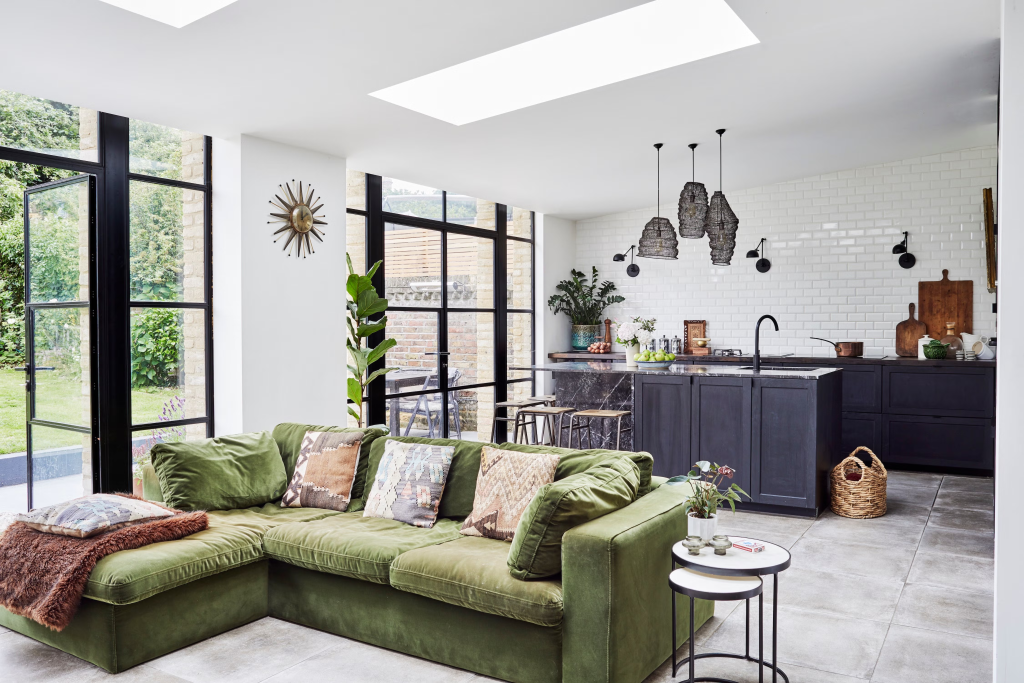
If you moved into an open-concept home, do not try to buy one massive rug. Houzz reported that zoned open plans are trending. People use multiple smaller rugs and lighting to define zones. They separate living and dining areas before purchasing large furniture. When you do start arranging things, avoid pushing all your furniture against the walls. New movers often try to maximize floor space. This just makes the room feel like a high school dance. Floating furniture creates a better conversation zone. Pull the sofa into the room. Put a console table behind it. Leave 36 inches for walkways. You need enough room to walk without bumping your shins on a coffee table.
Pinterest also flagged the analog living trend. People are moving away from TV-centric rooms. When planning your layout, start by designing conversation corners. Create spaces for reading or board games. Do not just point every chair at the television. Face two chairs toward each other. Put a small table between them. This invites people to sit and talk. It makes the room feel like a home and not a movie theater. You can buy furniture once you know where the zones are.
Step 5: Where to Start Decorating When You Move In With Paint
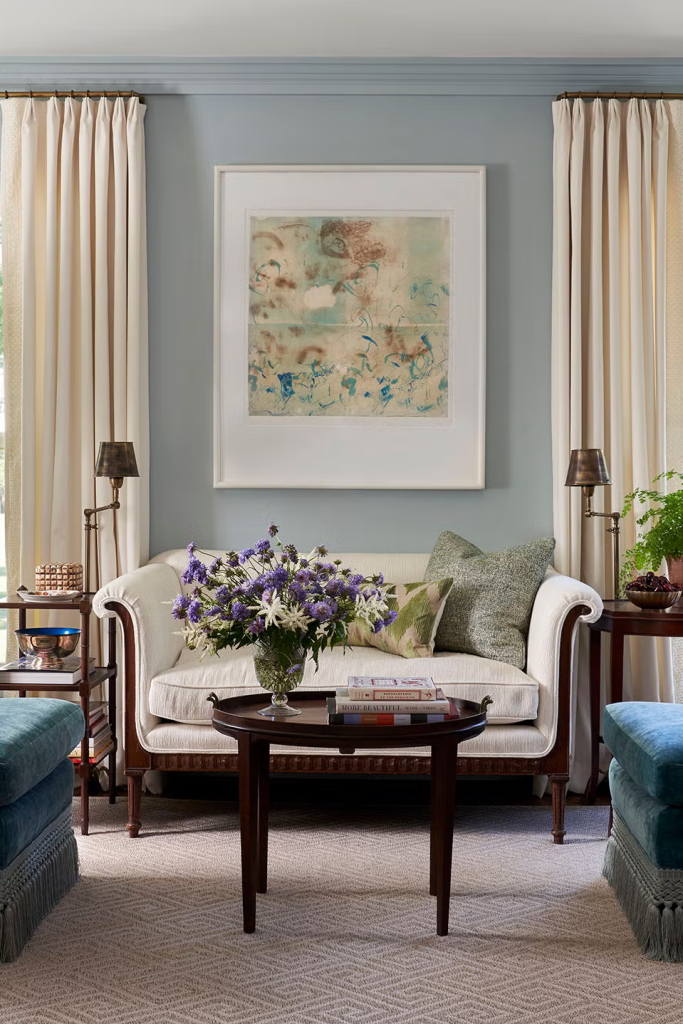
Paint is the final step. It is not the first step. A common mistake is painting before buying textiles. Paint can be custom-matched to any fabric. You cannot easily find a rug or couch to match a specific, obscure paint color. Wait until your rug and fabrics are in the room. When you do pick paint, skip the stark white. WGSN and Pantone announced Mocha Mousse as a major color direction. Earth-inspired base palettes are taking over. Warm clays, truffles, and bisques are the new neutrals. They give you a modern, grounding starting palette. These colors make a room feel relaxed.
Pick up a water-based low-VOC paint in a warm bisque or truffle from brands like Clare or Backdrop. They cost $55 to $75 per gallon. This lets you get color on the walls quickly and safely. Pick an eggshell or matte finish for walls. Glossy paint shows every bump and drywall seam. Matte finishes hide imperfections. Test swatches on different walls to see how the light hits them. Look at the swatches in the morning and at night. Paint changes color depending on the light. Once you find the right shade, you can paint the whole room with confidence.
Your Next Steps
Decorating a new home is a marathon. It is not a sprint. Focus on function first. Use this five-step sequence as your moving in interior design checklist. Live in the space. Fix the lighting. Anchor with textiles. Define your zones. Finally, pick the paint. This process helps you build a home that reflects your actual lifestyle. You will not waste money on impulse purchases. You will not end up with colors you hate. Start by unpacking those boxes. Then, just sit and watch the light move across your empty floor.