
How to Make a Furnished Apartment Feel Like Yours (Without Ditching the Landlord’s Furniture)

✔ Written & fact-checked by Sophie — last reviewed November 14, 2026
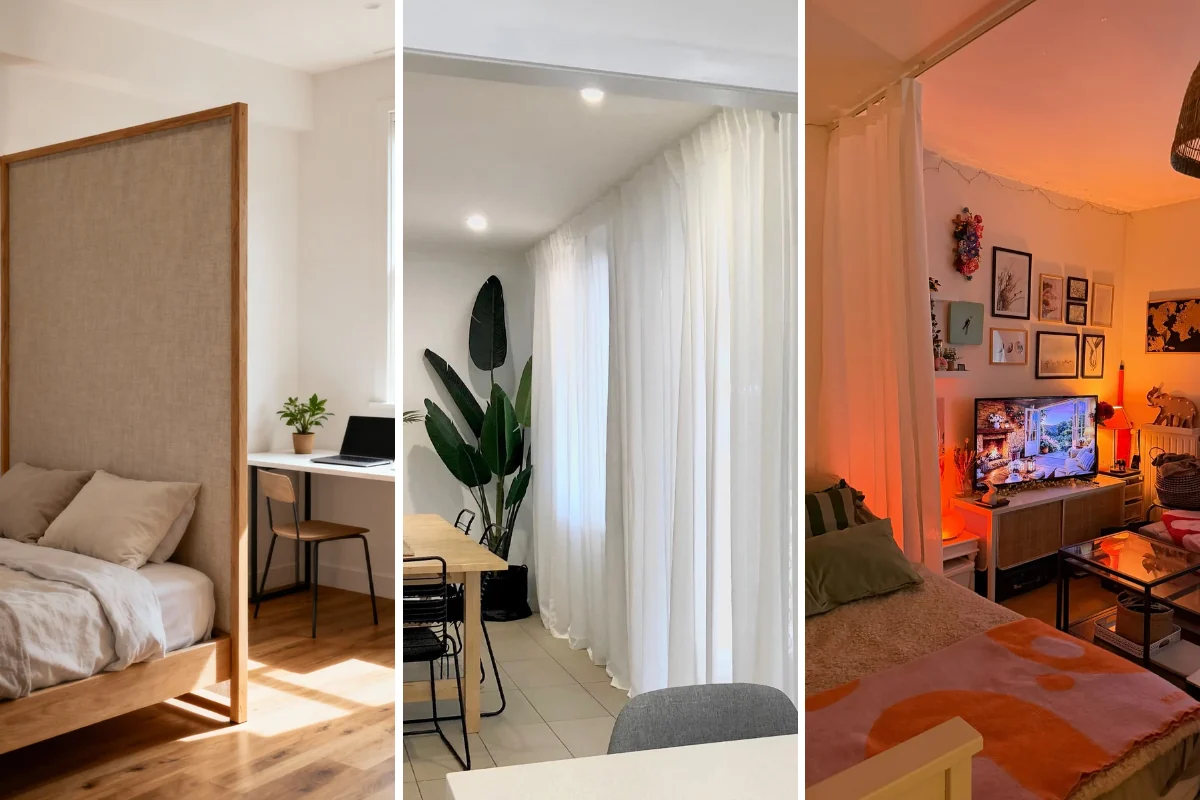
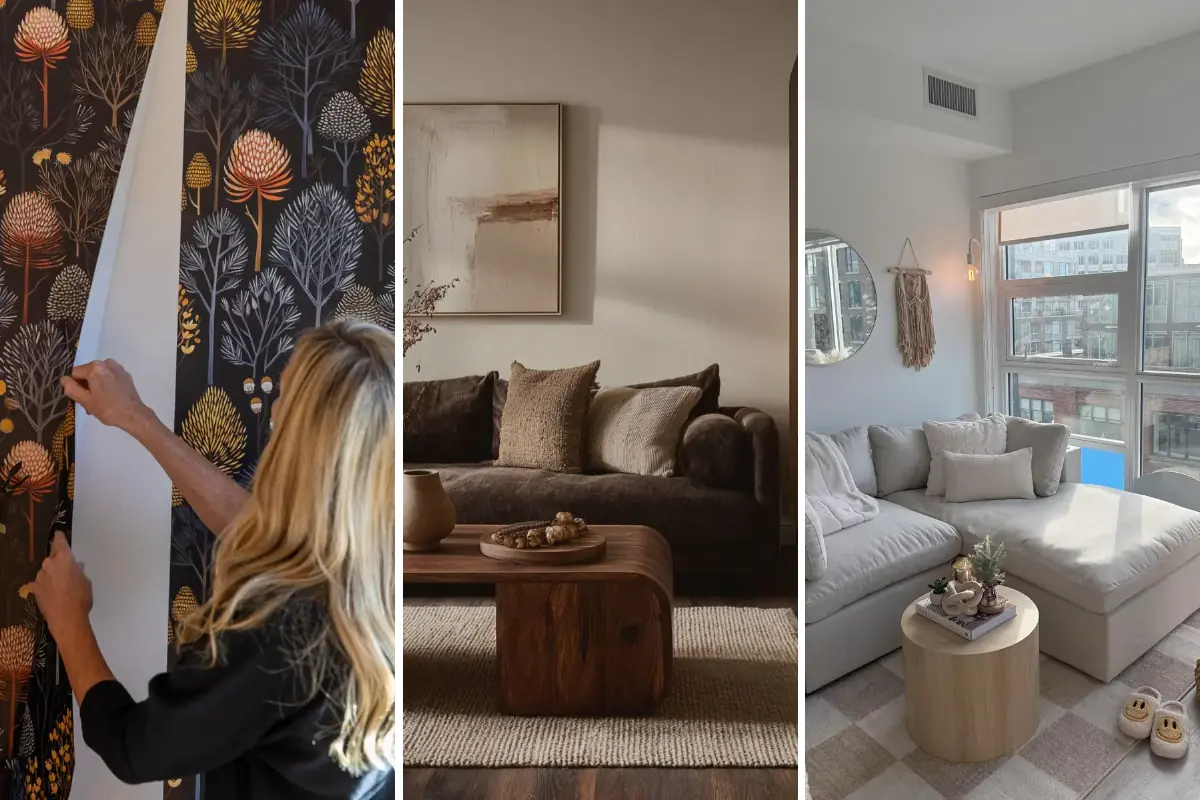
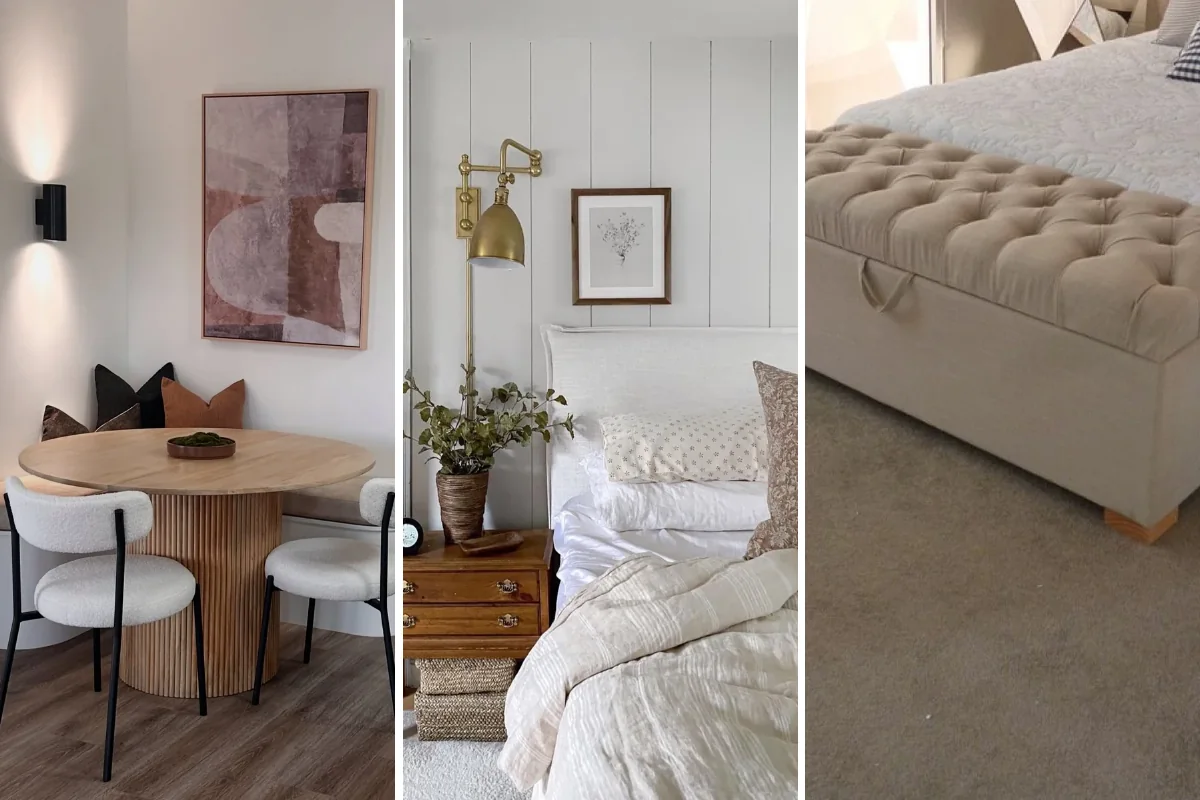
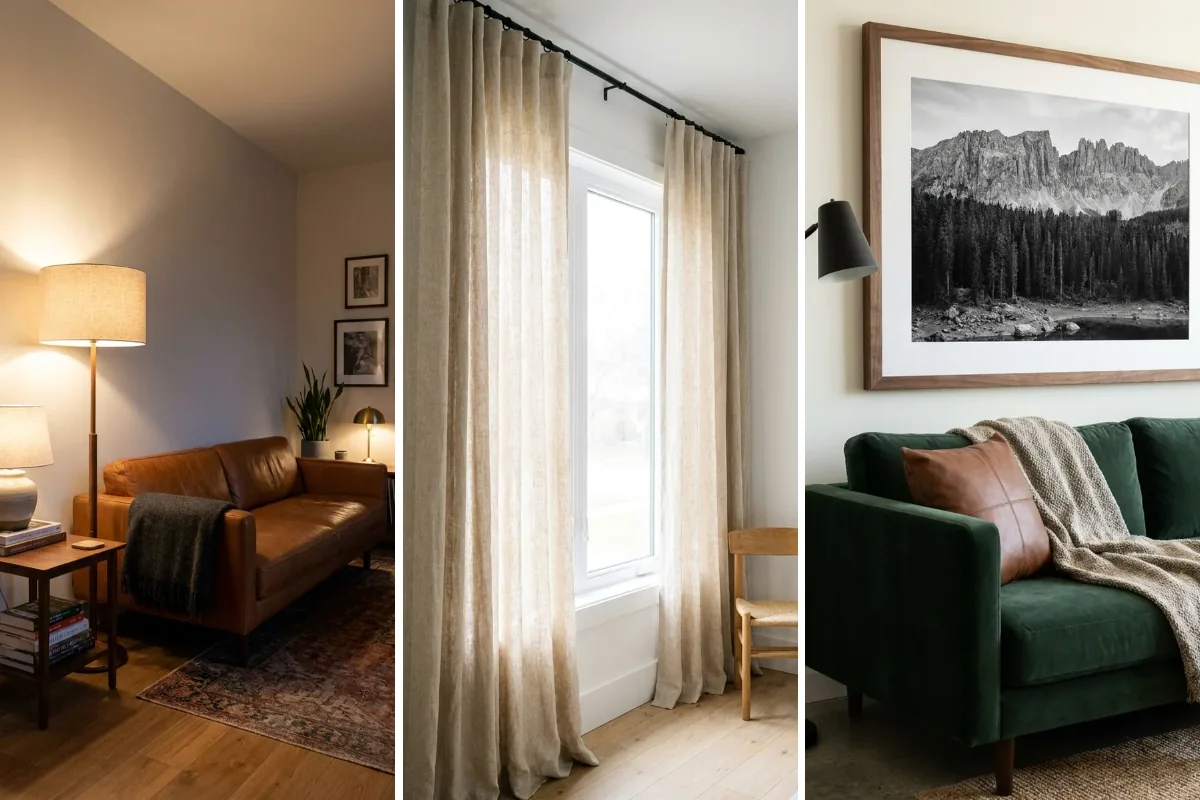
You signed the lease, carried in your boxes, and then sat down on a beige sofa you didn’t pick, under a sailboat print you would never buy. A furnished rental saves you a moving truck, but it can feel like a hotel room you forgot to check out of. If you’ve been looking up how to decorate a furnished apartment without getting rid of the landlord’s things, this is your plan.
By the end of this guide, the furniture will still belong to your landlord, but the rooms will look like someone actually lives there. You’ll cover what you can’t change. You’ll swap out what you can put back later. Then you’ll add the layers that make a space feel personal: fabric, warm light, art, and a few living plants.
This method works because nothing you do is permanent, which is the heart of the best renter hacks for apartments. Every change can be undone in one afternoon on move-out day, so your deposit stays safe.
Plan on one weekend. The hands-on work takes about 5 to 6 hours, plus a shopping trip. The only tool you need is a small screwdriver. Keep your phone close, because the first step happens before you touch a single thing.
- Phone with a camera
- Your lease and a highlighter
- 2–3 lidded storage boxes, packing paper, and a marker
- 2–3 fabric swatches or paint chips
- Stretch slipcover sized to your sofa
- Area rug (at least 5 x 8 ft for a living room)
- Your own sheets, duvet, and pillowcases
- Warm white LED bulbs (2700K)
- Tension rods and curtain panels
- Tape measure
- Removable adhesive picture-hanging strips
- New knobs, a small screwdriver, and a zip-top bag
- Books, photos, and small objects you own
- 2–3 potted plants
- Photograph every room before you move anything
- Read your lease for wall and paint rules
- Pack away the landlord’s decor you don’t love
- Pick a palette from one piece you own
- Cover the sofa with a stretch slipcover
- Lay your own rug over the existing floor
- Dress the bed in your own bedding
- Swap the bulbs for warm white ones
- Hang curtains from a tension rod
- Hang art with removable strips
- Swap the knobs on one dresser
- Fill one shelf with things you own
- Add one plant to each main room
1. Photograph every room before you move anything

Your landlord already has a list of what came with the unit. You need your own proof of how it looked on day one. Walk each room slowly and take wide shots from every corner. Then get close-ups of any stain, scratch, or wobbly leg. Holding the phone sideways, like the one aimed at the yellow sofa here, fits more of the room into each frame. A slow video walkthrough counts too. Email the files to yourself so they carry a date stamp.
2. Read your lease for wall and paint rules

If your lease says "no alterations," that can cover nail holes, adhesive hooks, and even light fixtures. Search the lease for the words paint, nails, fixtures, and decorations, and highlight each line you find. Not sure what a line means? Text your landlord one short question and screenshot the reply. A written yes protects you better than a remembered one.
3. Pack away the landlord’s decor you don’t love
Three boxes is usually enough for a one-bedroom. Small things like wall art, fake flowers, and dusty vases set the mood of a room more than the furniture does, and clearing them out leaves space for yours. For each piece:
- Wrap it in packing paper or an old towel.
- Group it with other items from the same room.
- Write the room and item names on the lid.
Store the boxes in a closet or under the bed. Keep them out of damp basements and outdoor sheds, because a water-stained landlord print can come out of your deposit.
4. Pick a palette before you decorate a furnished apartment
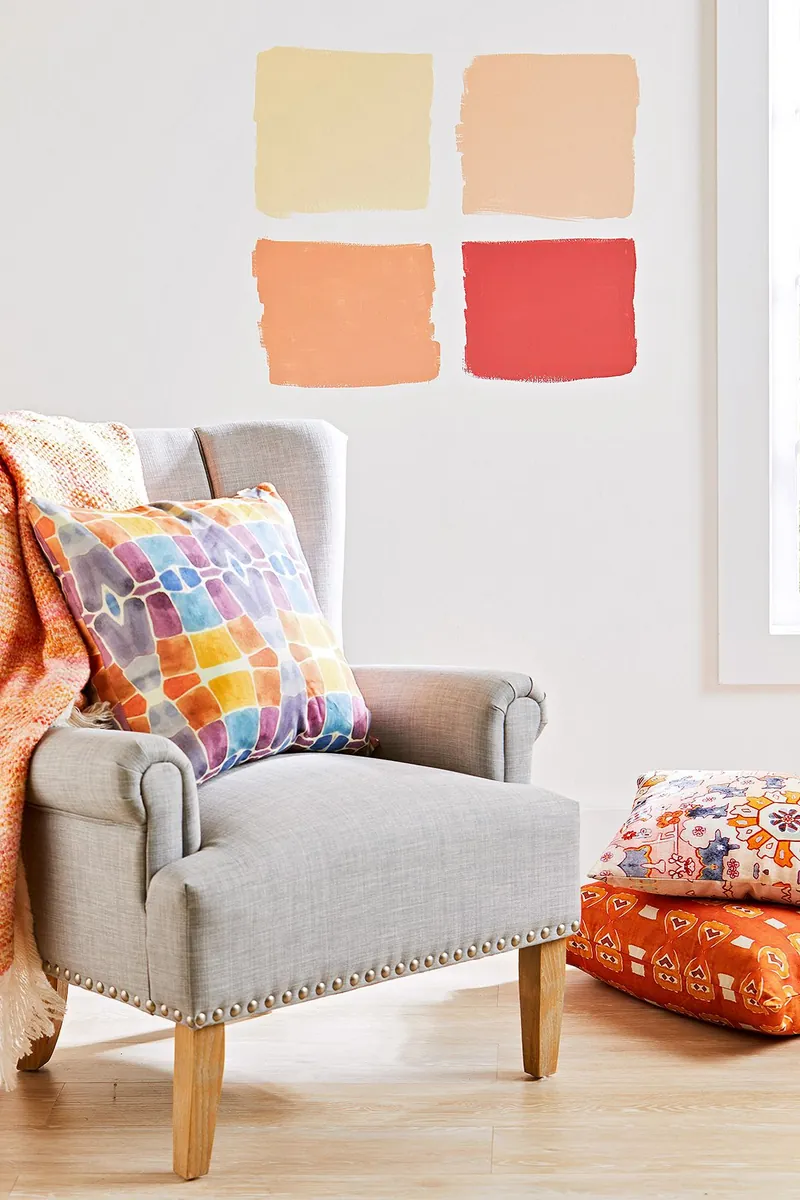
Skipping this step is how renters end up with a teal rug, a mustard throw, and a landlord sofa that fights both. Choose one thing you already love, like a throw pillow, a blanket, or a print, and pull 2 to 3 colors from it to build a cohesive color palette. Add one neutral that matches the landlord’s biggest piece of furniture. Hold your swatches against that sofa near a window in daylight, because store lighting lies. From here on, everything you buy has to fit this palette.
5. Cover the sofa with a stretch slipcover

Fabric hides more than you’d think: stains, a dated color, even a pattern you can’t stand. Pull the seat cushions off first, then work the cover over the back and arms before you stretch it down the front. Tuck the extra fabric deep into the gap between the seat and the frame. A wooden spoon handle pushes it in further than fingers can. A flat throw-style cover, like the white one these two are smoothing out, works in a pinch. A stretch cover stays put when people sit down. Either way, a second pair of hands cuts the job in half.
6. Lay your own rug over the existing floor

Size matters more than pattern here. A small rug floating in the middle of the room makes the whole space look smaller. Go for at least 5 x 8 feet in a living room, and slide it under the front legs of the sofa and every chair, the way this woven rug sits under the armchair’s front legs. Put a rug pad underneath to stop slipping and protect the landlord’s floor.
7. Dress the bed in your own bedding

The landlord’s mattress has been slept on by strangers, so start with a barrier before anything pretty goes on top. Work from the bottom layer up:
- Fit a waterproof mattress protector over the mattress.
- Put on your own fitted sheet and top sheet.
- Lay the duvet on top and shake it so the filling reaches all four corners.
- Stack the pillows against the headboard, the biggest ones at the back.
Smooth the duvet with a flat hand from the center outward, the way she’s working it here, and the wrinkles slide off the edges. Pick bedding in your palette colors so the bed feels like your own. Soft layers are among the simplest cozy bedroom ideas, and they pack up with you when you leave.
8. Swap the bulbs for warm white ones
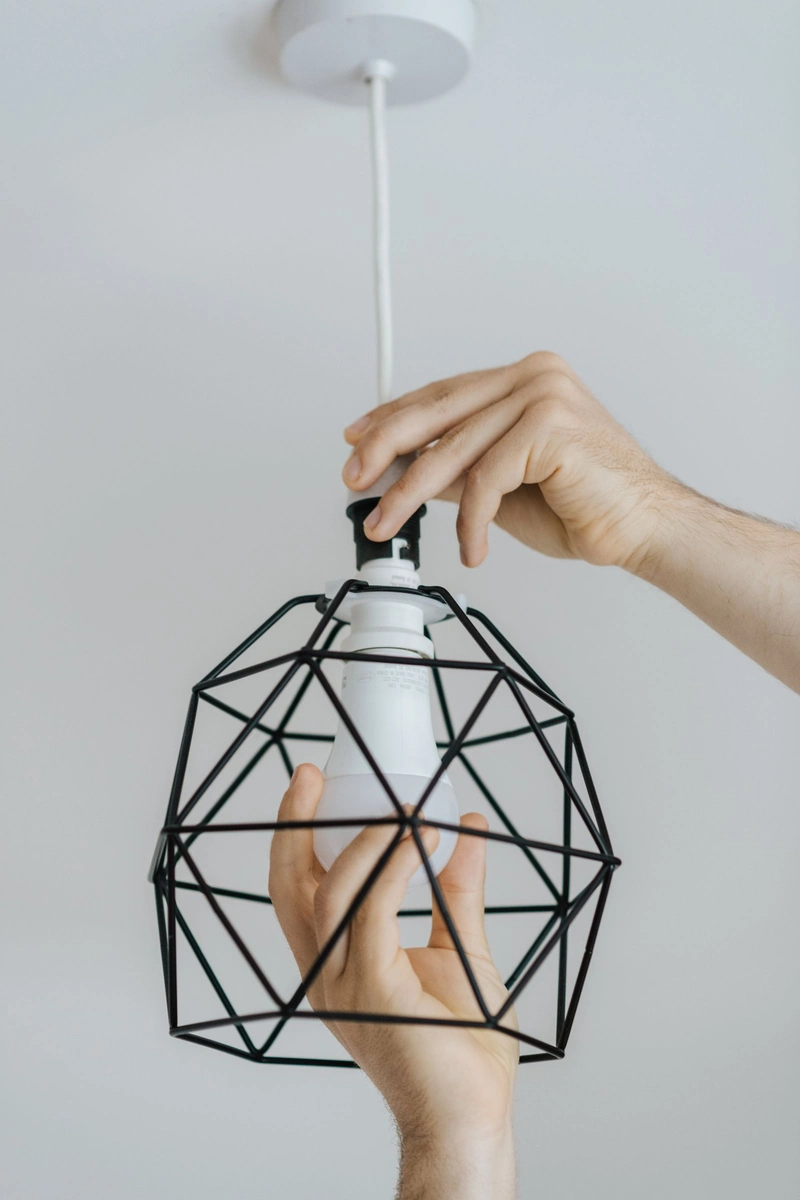
2700K is the number to look for on the box. Many rentals come with cool white bulbs around 5000K, which make a living room feel like a dentist’s office. Turn off the switch and give the old bulb 5 minutes to cool. Hold the socket steady with one hand and turn the new bulb clockwise with the other, like the hands working inside this wire pendant. It works the same way in a lamp. Keep the old bulbs in a labeled bag for move-out day.
9. Hang curtains from a tension rod
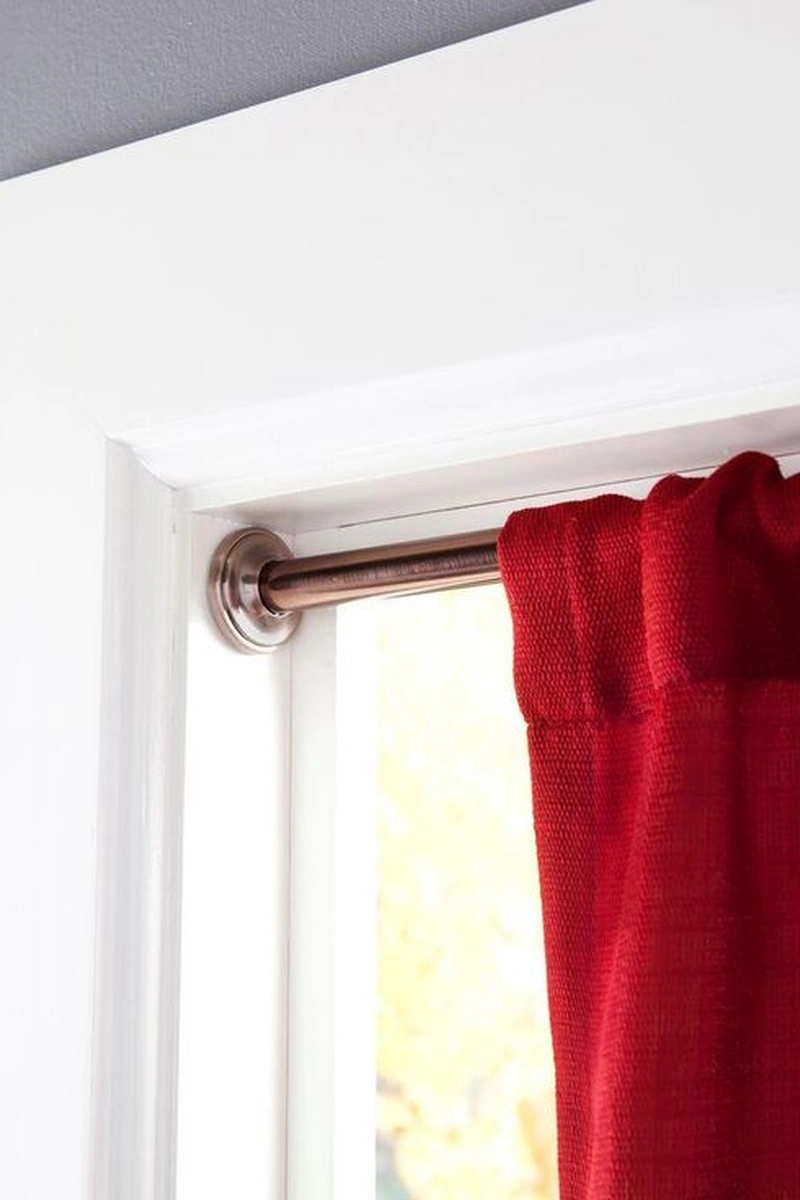
If your window frame is at least 1 inch deep, a tension rod fits inside it with no screws at all. Measure the inside width of the frame and buy a rod that covers it. Slide the rod through the curtain’s top pocket, then twist the rod to lengthen it until it presses firmly against both sides. The red panel here sits snug inside the frame, but any color in your palette works, so browse living room curtain ideas for fabrics and styles you love.
10. Hang art with removable strips

Rubbing alcohol is the step most people skip, and it’s the reason frames end up on the floor overnight. Wipe the wall spot with alcohol on a paper towel and let it dry for 2 minutes. It removes oils, so the strips grip the paint itself. Avoid household spray cleaners here, since they leave a slippery film. Press the strips onto the back corners of the frame, the way they sit in the close-up here, then press the frame against the wall for 30 seconds. Check the weight limit on the package and stay under it.
11. Swap the knobs on one dresser

One dresser is enough to make a bedroom feel like yours. Open each drawer and unscrew the knob from the inside. Drop every original knob and screw into a zip-top bag, and tape the bag inside the top drawer so it’s waiting there on move-out day. Single round knobs, like this brushed brass one, fit any drawer with one screw hole. Pulls with two screws need to match the hole spacing, so measure center to center before you shop. Take an old knob to the store if you’re unsure about screw size.
12. Fill one shelf with things you own
A shelf full of your own things tells guests who lives here faster than any piece of furniture. Pick one shelf, or the top of a dresser, and clear it completely, a habit behind most good bookshelf decor ideas. Then build it back up:
- Stand some books upright and stack others flat.
- Set a small object on top of one stack.
- Lean a framed photo near the center.
- Leave about one third of the shelf empty.
The empty space keeps the shelf looking styled instead of crowded.
13. Add one plant to each main room
If you’ve never kept a plant alive, start with a pothos or a snake plant. Both forgive missed waterings. Set it within 3 feet of a window, like this one sitting on a small side table beside the sofa, and water only when the top 1 inch of soil feels dry. A room with no daylight can take a good faux plant instead.
- Phone, lease, highlighter
- Storage boxes and packing paper
- Fabric swatches
- Stretch slipcover
- Rug (5 x 8 ft+) and rug pad
- Your own bedding
- 2700K LED bulbs
- Tension rods and curtains
- Adhesive picture strips
- Knobs and a screwdriver
- Books, photos, plants
- Photograph every room
- Read the lease for wall rules
- Box up the landlord’s decor
- Pick 2–3 palette colors
- Slipcover the sofa
- Lay down your rug
- Make the bed with your bedding
- Switch to warm white bulbs
- Hang curtains on tension rods
- Hang art with adhesive strips
- Swap one dresser’s knobs
- Style one shelf
- Add a plant to each room
You might also like
Conclusion
The furniture still belongs to your landlord, but the rooms finally look like yours. You covered the sofa, warmed up the light, and put your own art on the walls without a single nail hole. That’s how to decorate a furnished apartment and still get your full deposit back. Next weekend, try moving the landlord’s armchair next to a window and a lamp to make a reading corner. Save this pin to your renter decor board so the steps are ready for your next move.