15 Focal Point Ideas for Empty New Rooms

✔ Written & fact-checked by Sophie — last reviewed June 26, 2026
Why Blank Rooms Feel So Overwhelming (And How to Fix It)
You just got the keys. You walk into your new place, and there it is: four white walls, beige carpet, and an echo that makes you feel like you’re in a warehouse. Empty room syndrome hits hard. You know you need living room focal point ideas, but where do you even start? That’s exactly why I put together these 15 Focal Point Ideas for Empty New Rooms. Once you pick one anchor piece, the rest of the furniture placement just falls into place naturally. No more staring at blank walls wondering what goes where.
1. Focal Point Idea for Empty New Rooms: Sculptural 3D Wall Paneling
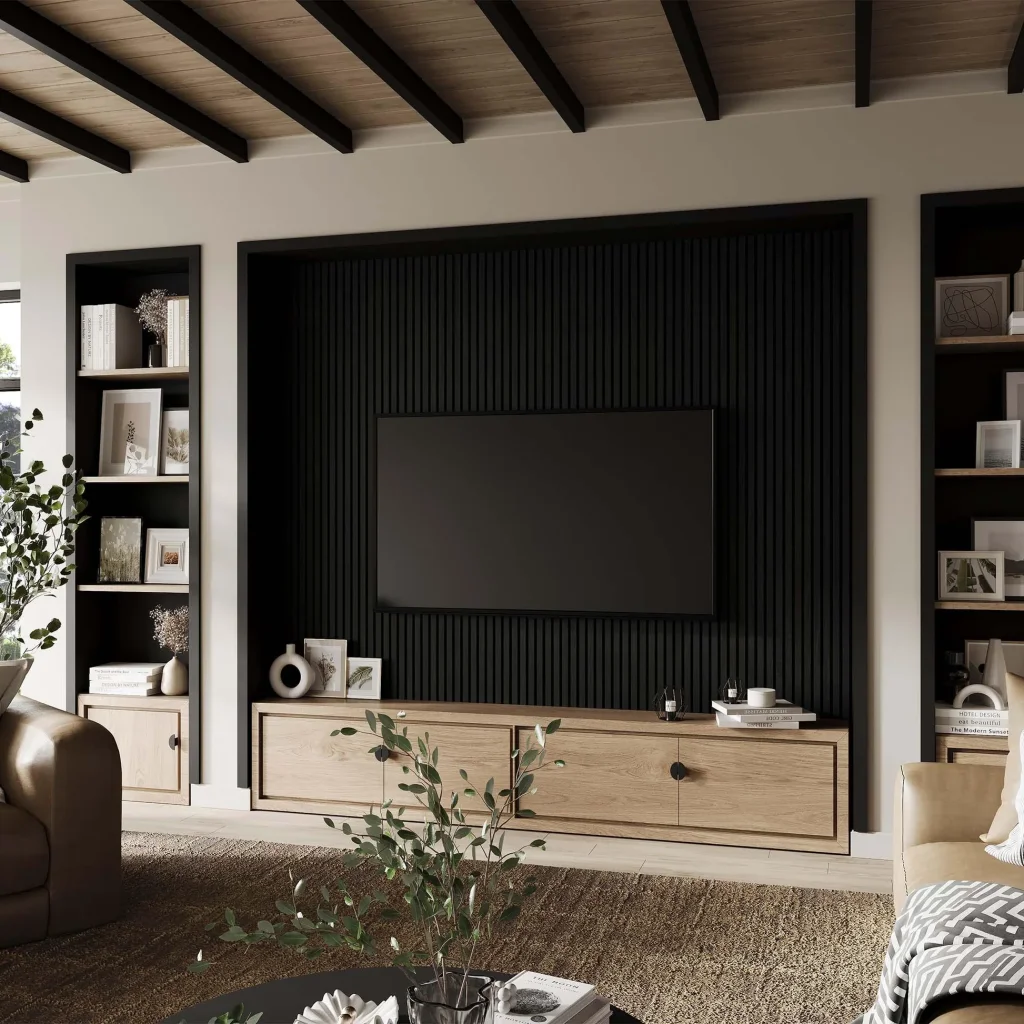
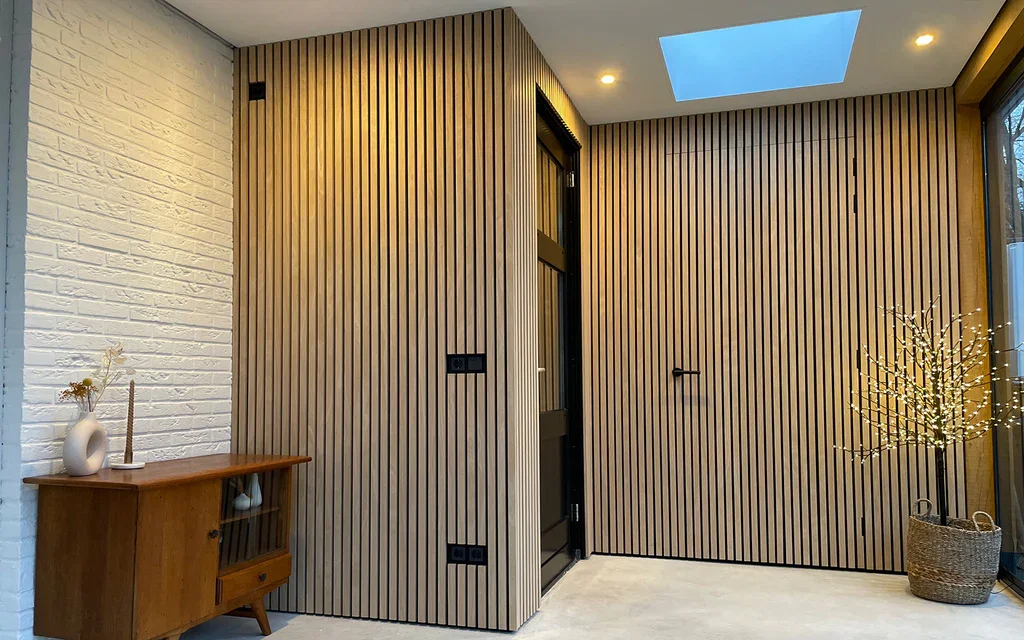
Flat art can’t carry a massive blank wall alone. That’s where parametric wood paneling steps in. These undulating, fluted panels from brands like Luminikko add instant architecture to rooms with zero character. They run about $150 to $300 per panel, but you don’t need a contractor to install them. The bonus? They actually absorb sound, which helps with that hollow echo in new construction. Architectural Digest flagged this 3D acoustic wall paneling as a major trend for 2026 because it solves two problems at once: visual interest and noise control.
2. The Immersive Color-Drenched Wall
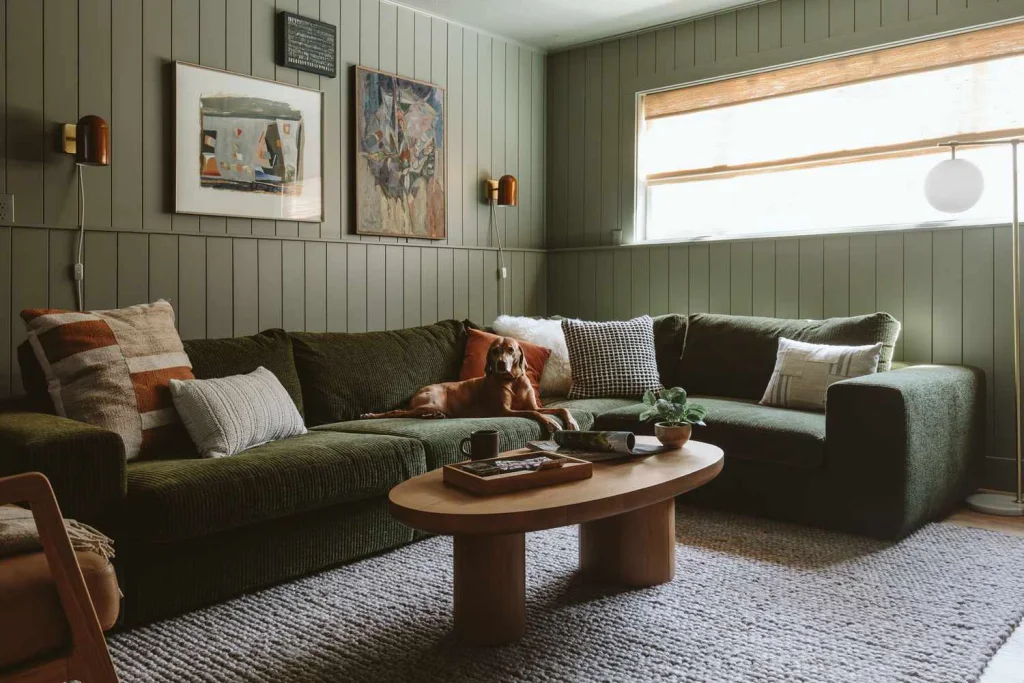
Accent walls are fading out. The 2026 approach is color drenching: painting your walls, trim, doors, and even ceiling the same shade. This creates a deep, enveloping backdrop that makes one piece of furniture pop. Warm terracottas and deep olive greens work best right now according to Pinterest Predicts. The magic happens when everything blends together. Your eye stops at that one contrasting chair or lamp instead of bouncing around a choppy two-tone wall situation.
3. The Oversized Vintage Rug as Wall Art
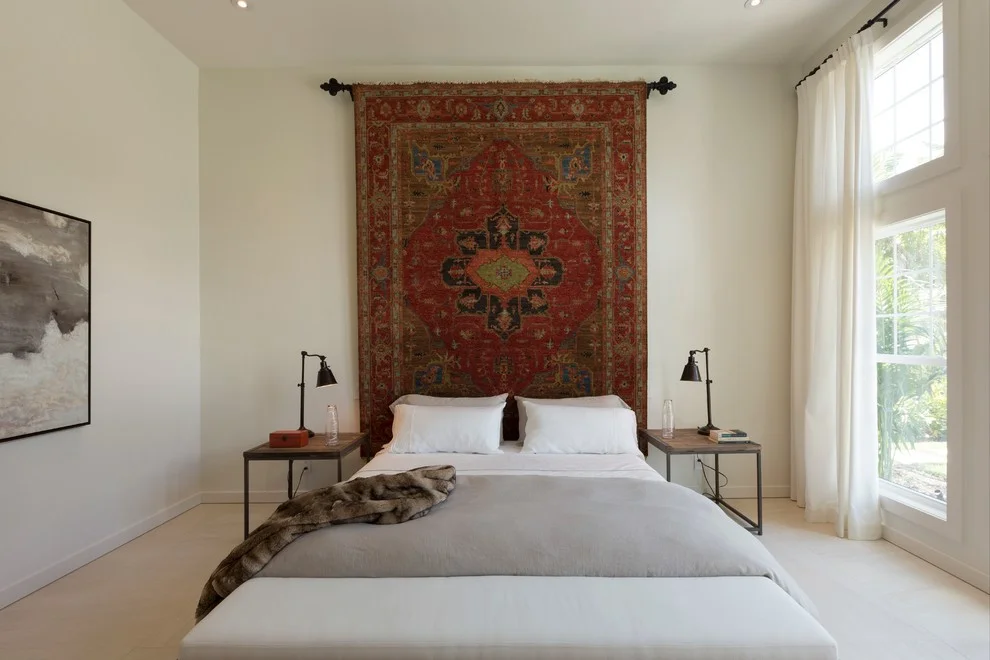
Rugs don’t have to live on floors. Hang a 9×12 vintage Tabriz or Moroccan rug floor-to-ceiling instead. This trend from 1stDibs’ 2025 report adds instant history to a brand-new room. Textile art softens harsh drywall in a way that canvas prints can’t. You’ll pay $800 to $2,500+ for a quality piece on Chairish or 1stDibs, but it doubles as both floor anchor and wall art depending on your mood. The patina and wear tell a story that new construction can’t.
4. The Statement Plaster Fireplace
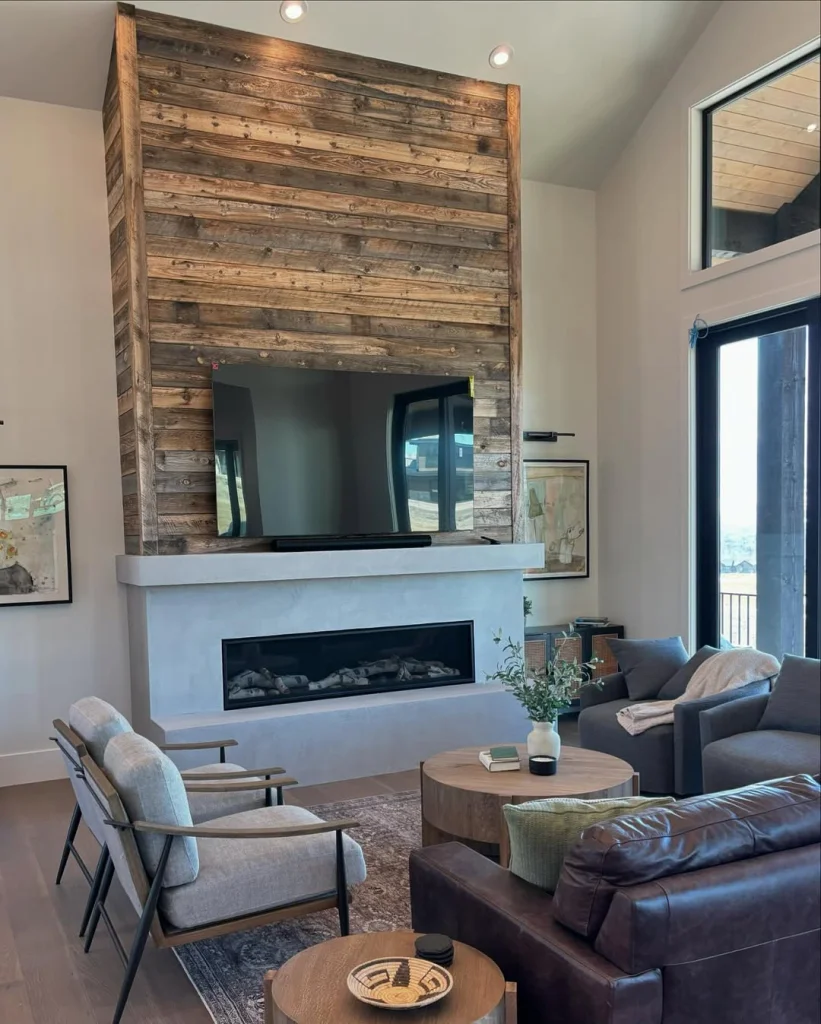
You don’t need a gas line for this. Electric fireplace inserts slip right into sculptural plaster surrounds for a fraction of the cost. Organic, curved shapes replace the boxy builder-grade look. Brands like Sukhi sell DIY hemp clay kits, or you can find pre-cast plaster surrounds for $1,200 to $4,000 installed. This creates a literal hearth that forces your furniture arrangement to happen naturally. Kelly Wearstler’s recent projects showcase these art-installation fireplaces that transform blank walls into textural focal points.
5. A Large-Scale Indoor Tree
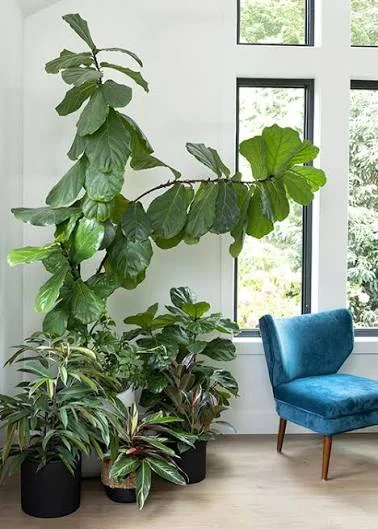
Sometimes the best architecture is alive. An 8-foot Ficus Audrey or Olive tree grounds a corner better than any side table could. These biophilic anchors add immediate scale to sterile rooms without permanent renovation. Milan Furniture Fair 2024 trends highlighted large indoor trees as primary visual weight in rooms. New builds often lack good natural light, so stick to low-light varieties like Ficus Audrey or ZZ plants. The vertical draw pulls your eye up and makes the ceiling feel higher while filling dead corners with life.
6. The Floor-to-Ceiling Gallery Ledge
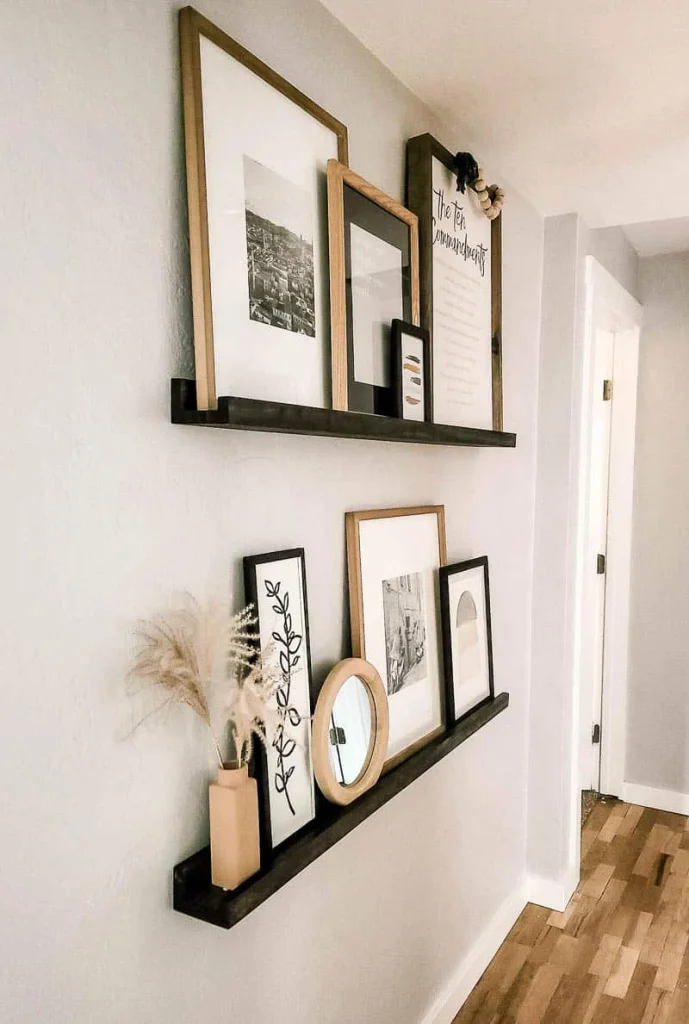
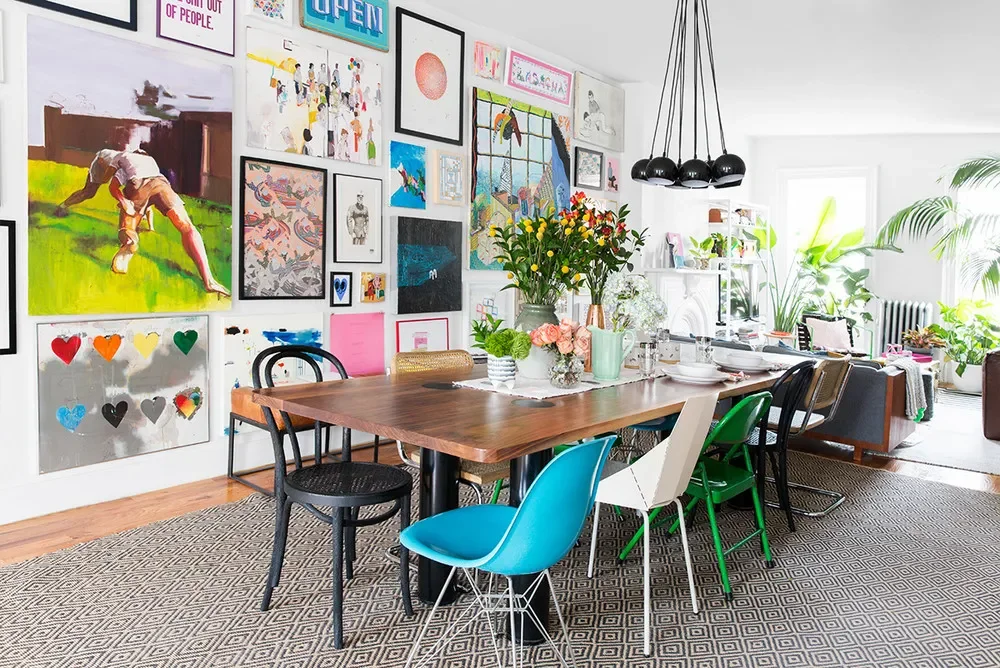
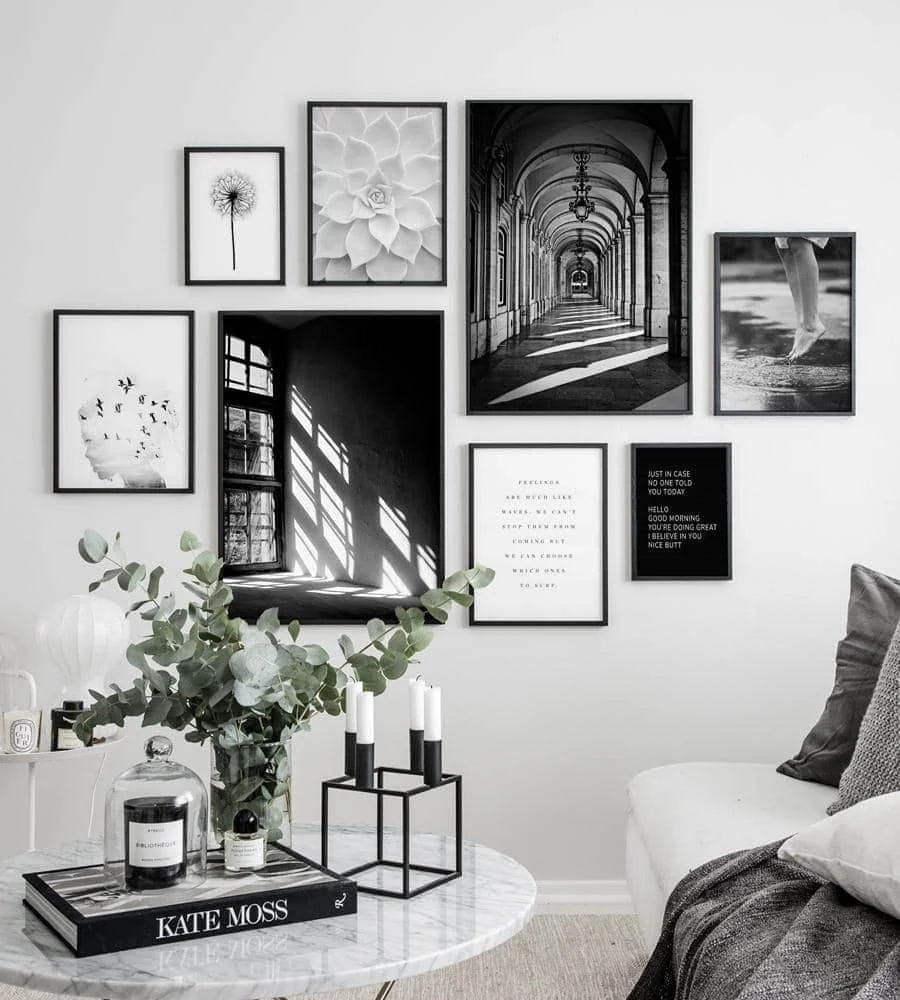
Forget nailing holes in your new walls. Install a deep picture ledge from floor to ceiling instead. Lean art, prints, and objects against it for a dynamic, easily changeable display. This approach lets you layer pieces over or around a TV without making the screen the star. The key is mixing frame sizes and orientations so it doesn’t look like a lineup. When you get tired of the arrangement, just shuffle the pieces around. No spackle required.
7. Living Room Focal Point Ideas: The Floating Furniture Island
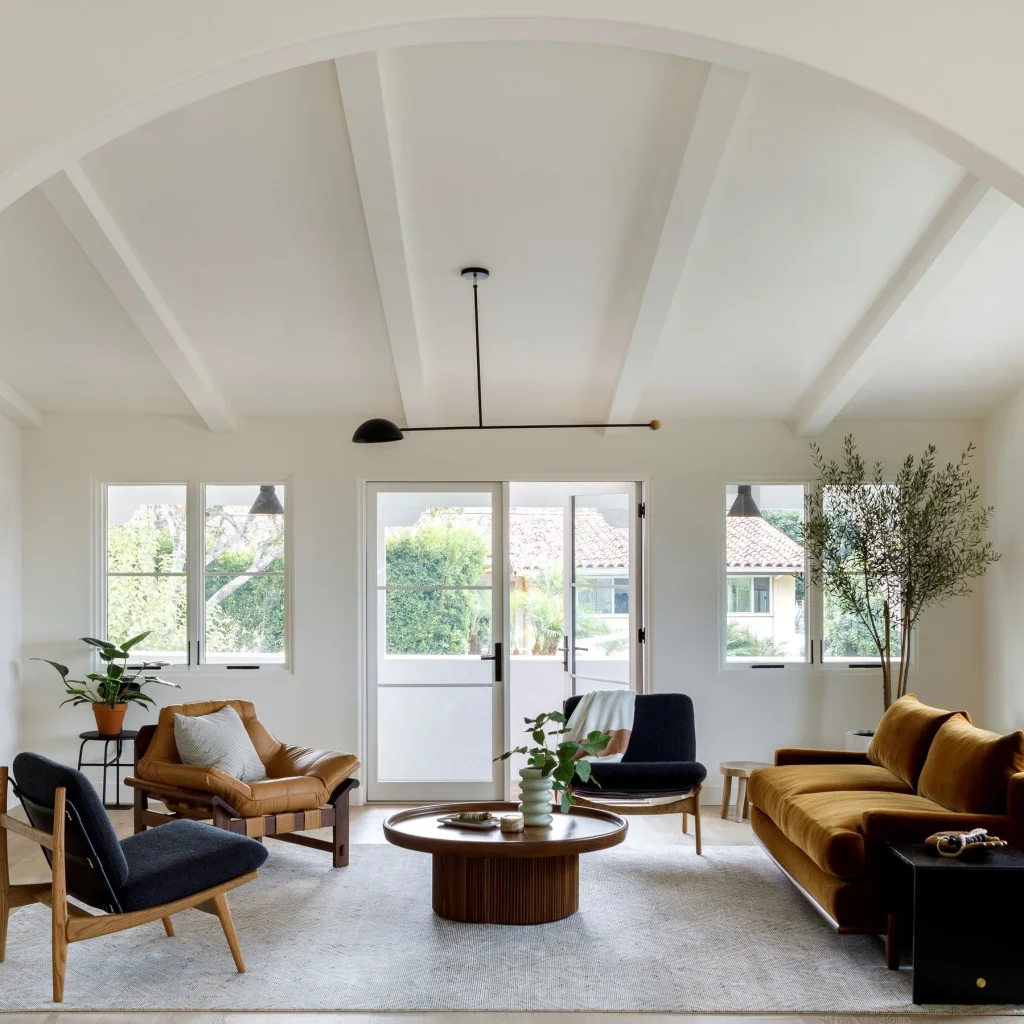
Push all your furniture against the walls and you get what designers call the bowling alley effect. Nothing feels grounded. Studio McGee’s Sheila McGinn suggests pulling your sofa away from the wall and placing a console table behind it. This creates a walkway and a central anchor at the same time. The focal point becomes the seating arrangement itself, not something on the perimeter. It feels counterintuitive in a small space, but floating your furniture actually makes the room function better.
8. How to Anchor an Empty Room with a Room Divider
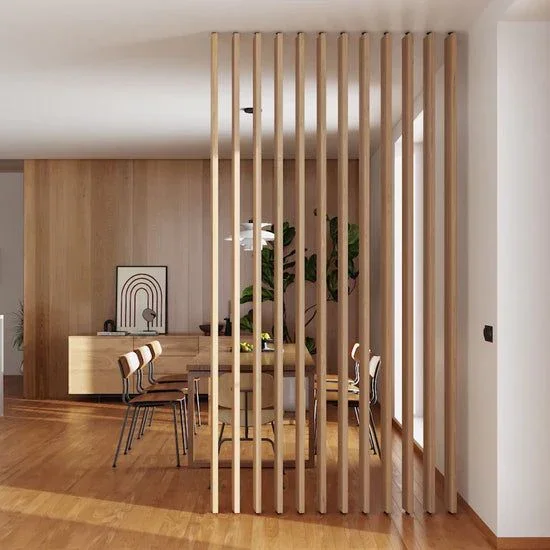
Open-concept floor plans lack natural walls. That’s where room dividers step in to create structure. Open shelving units or slatted wood partitions give you a “wall” where there isn’t one. This is one of the most practical ways how to anchor an empty room when you’re dealing with massive undefined space. The divider itself becomes the focal point while simultaneously solving your layout problem. Place a plant or lamp on it to draw even more attention to your new architectural element.
9. The Framed Negative Space (Window Vignette)
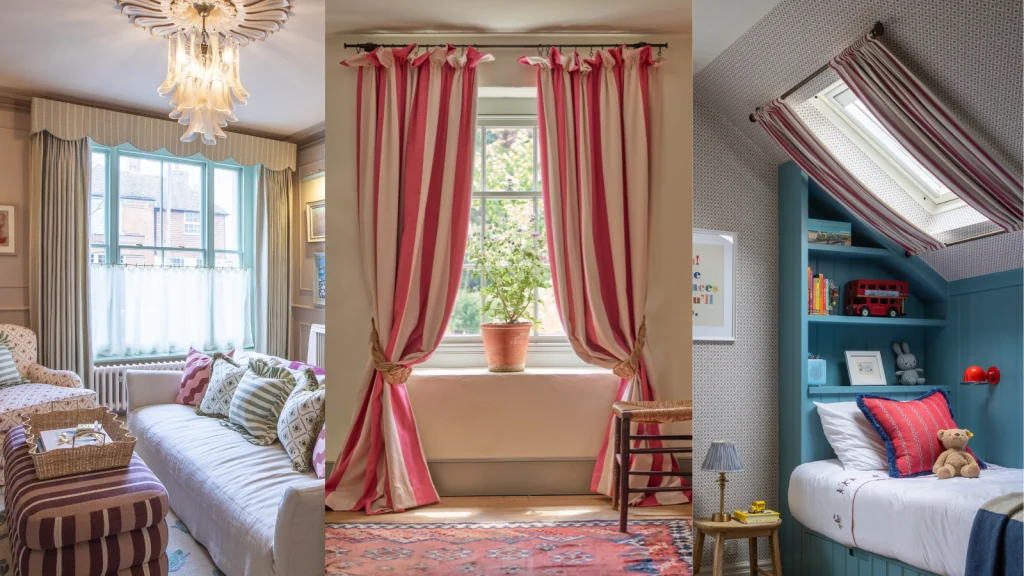
Sometimes the most powerful focal point isn’t something you add. It’s a void you frame. Flank a window with floor-to-ceiling curtains and let the view become your art. Even if you’re looking at nothing special, the act of framing it makes it intentional. This 2026 styling approach costs less than oversized art but has equal impact. Negative space, when bounded by curtain panels, becomes the anchor. Add a deep sill for a plant or object to complete the vignette without blocking the view.
10. Statement Pieces for Blank Walls: The Arched Alcove
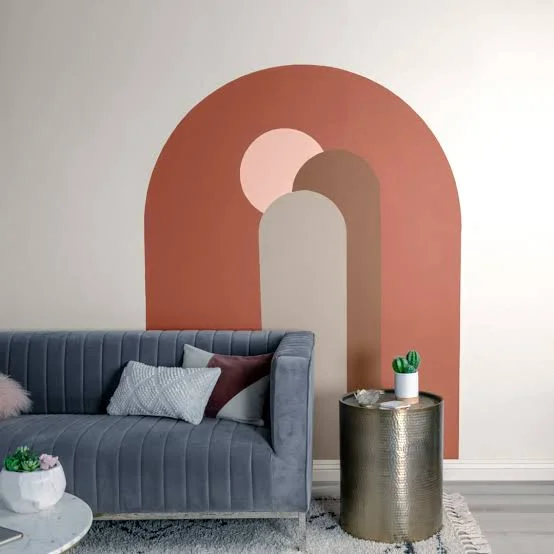
Flat walls feel endless. Add depth with a faux arch instead. You can create this with drywall or use peel-and-stick arch kits for a non-permanent option. The key is lighting the inside of the arch to highlight whatever you place there. These statement pieces for blank walls give the illusion of built-in architecture that new construction often lacks. Place a sculpture, vase, or even a small bench inside. The shadow lines created by the curve add visual interest even when the alcove is empty.
11. The Monolithic Media Console
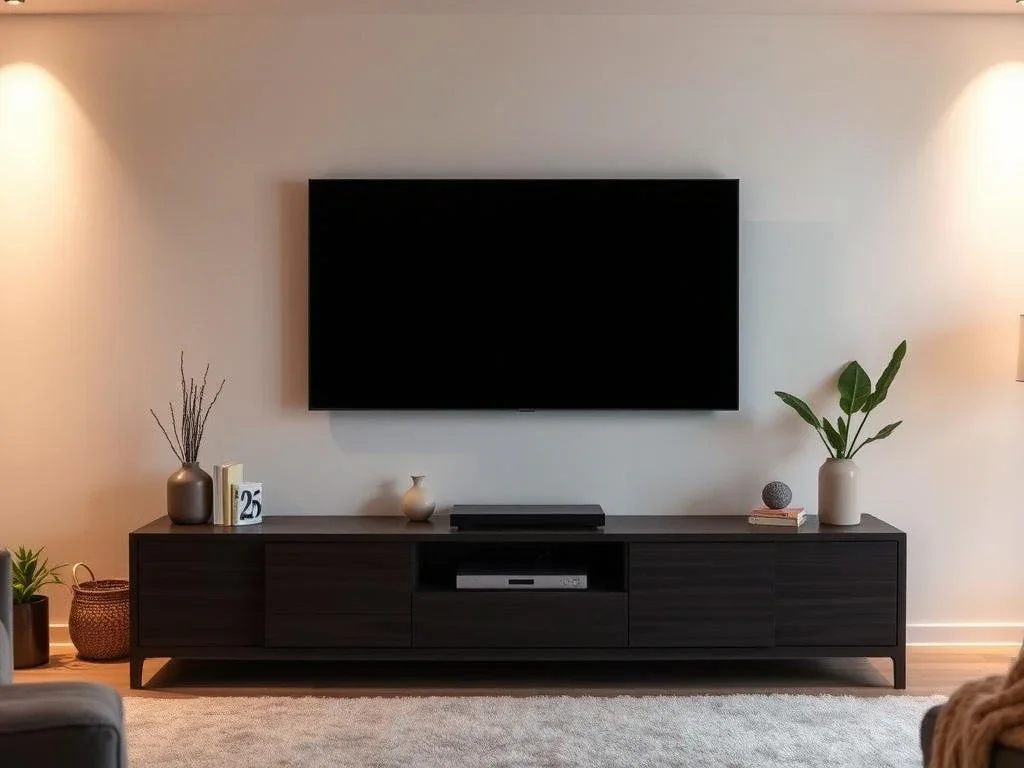
If you must have a TV, ground it with something substantial. A massive, heavy console in dark wood or plaster finish commands attention instead of letting the screen dominate. Amber Lewis of Amber Interiors says we should “hide the tech” and let architecture take center stage. The trick is making the console the star, not the TV. Choose something with visual weight that extends beyond the edges of your screen. Keep the surface mostly clear except for one or two objects.
12. The Parametric Acoustic Ceiling Installation
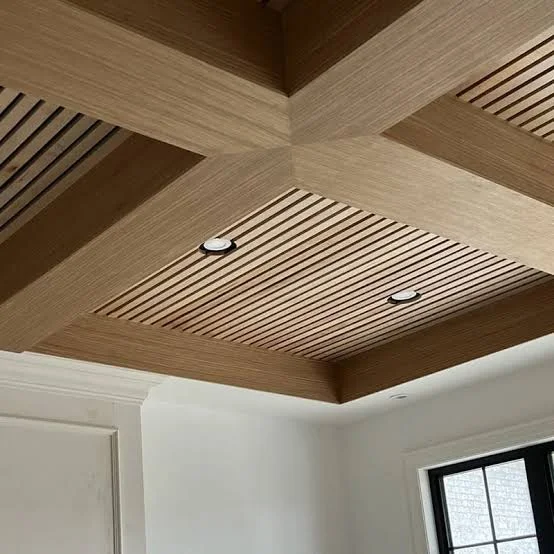
Who says focal points have to be at eye level? Slatted wood ceilings draw your gaze up and define a zone without using any floor space. This parametric approach works especially well in rooms with high ceilings that feel disconnected from the living area below. The wood slats add warmth and texture to what’s usually ignored: the fifth wall. You don’t need to cover the entire ceiling. Even a partial installation over a seating area or dining table creates a visual canopy that grounds the space below.
13. The Sunken Conversation Pit (or Faux Pit)
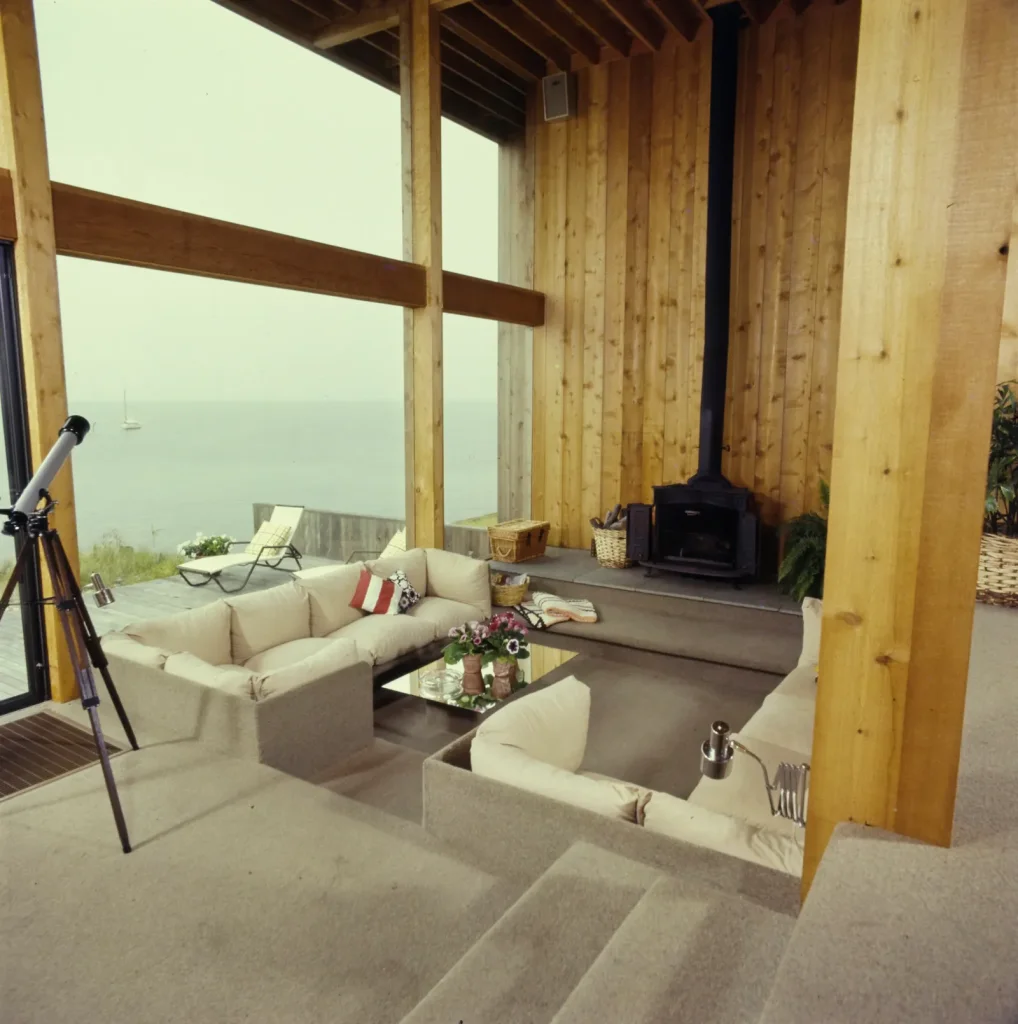
Conversation pits are making a comeback in 2026. You don’t need to actually lower your floor to get the look. Create a faux pit with a plush, recessed rug area and low-profile sectional seating. Justina Blakeney of Jungall says “scale is everything in an empty room. Go bigger than you think you should.” This approach works because it defines a zone within a larger space. The rug becomes the boundary, and the low seating creates that intimate, sunk-in feeling without any construction.
14. A Curated Vintage Bar Cart or Dry Bar
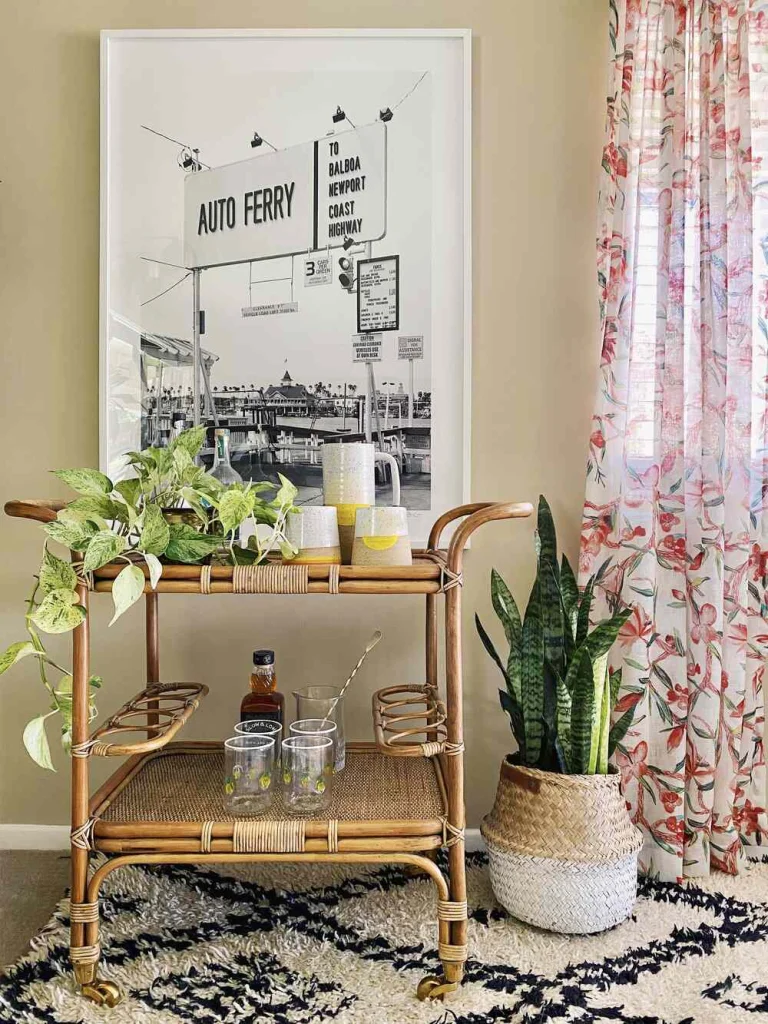
Empty corners become functional micro-zones with the right piece. A vintage bar cart or small dry bar anchors a blank spot while adding instant history to new construction. The key is styling it with intention: a few nice glasses, one bottle, maybe a small plant. Add a mirror behind it to bounce light around the dark corner. This approach works because it creates a destination within the room. Your eye goes to the corner, rests on something interesting, and the rest of the space feels less empty by comparison.
15. The Oversized Mirrored Wall
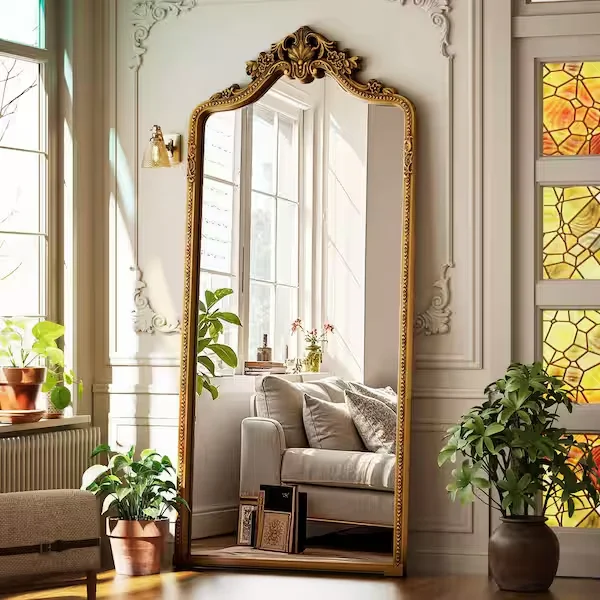
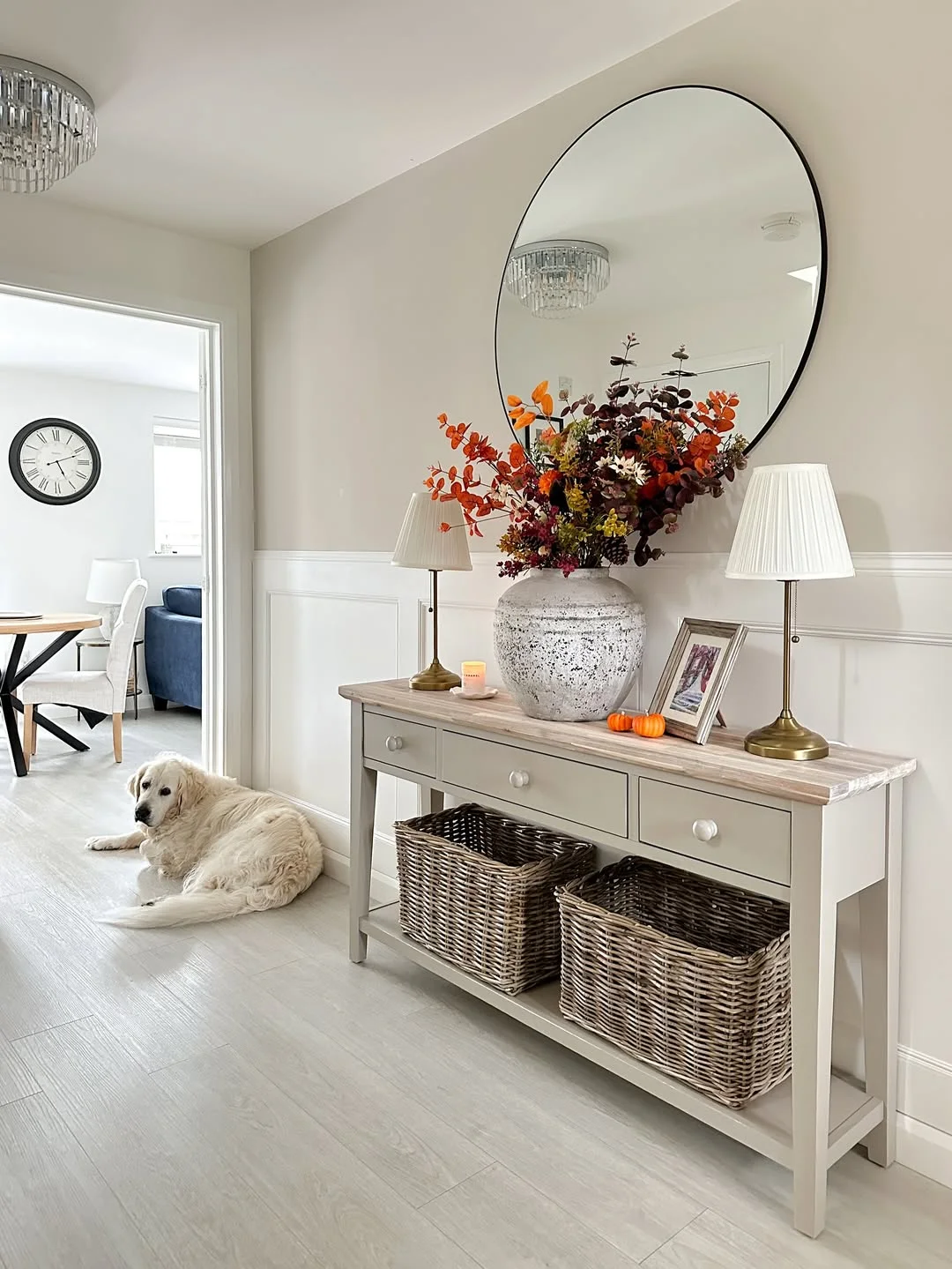
Not the mirrored closets from the 80s. Think vintage floor mirrors leaned against walls instead. These massive mirrors bounce light around dark corners and fake architectural depth in rooms that lack it. The lean is important. It feels less permanent than hanging something that heavy. Position one in a dead corner or against a wall that feels too long and empty. The reflection doubles whatever is across from it, making the room feel more complete without pushing all your furniture against the perimeter.
Image Prompt: iPhone photo of a large vintage floor mirror with an ornate gold frame leaning against a white wall, the mirror reflects a window and part of the room, slightly off-center framing with the top of the mirror cut off, a small plant sits on the floor in front of the mirror’s base, a faint reflection of the person taking the photo visible in the mirror, natural light from the window, casual iPhone photo taken by the homeowner, slightly imperfect framing, real lived-in space, not styled for social media
Stock Image Keywords: vintage floor mirror | leaning mirror wall | oversized mirror living room | gold frame mirror | mirror as focal point
Pick One Anchor and Let the Room Build Itself
An empty room is just a canvas waiting for a starting point. That’s the real secret behind these 15 Focal Point Ideas for Empty New Rooms. You don’t need to figure out the whole room at once. Choose one anchor, whether it’s a statement fireplace, a vintage rug on the wall, or a room divider, and let the furniture arrangement follow naturally. That’s how to anchor an empty room without the paralysis. Today, pick the one idea that caught your eye. Measure your wall. Order the panel, find the rug, or sketch out the color drench plan. The rest will fall into place once that first piece is in position.