22 Living Room Curtain Ideas for a Starter Home

✔ Written & fact-checked by Sophie — last reviewed June 16, 2026
Why Your Curtains Might Be the Problem
You hung new curtains in your first living room, stepped back, and the space still looks like a rental. Flat. A little cheap. Like something’s off, but you can’t name it. Good news: the fix is rarely the curtains themselves. It’s where you hung them, how long they are, what color you grabbed, and the hardware holding them up.
These living room curtain ideas are built for a starter home. That means small budgets, builder-grade windows, and walls you might not be allowed to drill. Most of what follows costs under $30. Several tricks cost nothing at all because you already own the curtains. A few are renter-safe, no holes, no lost deposit.
I’ll walk you through placement first, since that’s free and makes the biggest difference. Then renter-friendly hanging, color and texture swaps that read as 2026, and the little finishing touches that make a room look custom. Pick three of these and your space will already look more expensive than it cost.
1. Hang the Rod High, Near the Ceiling
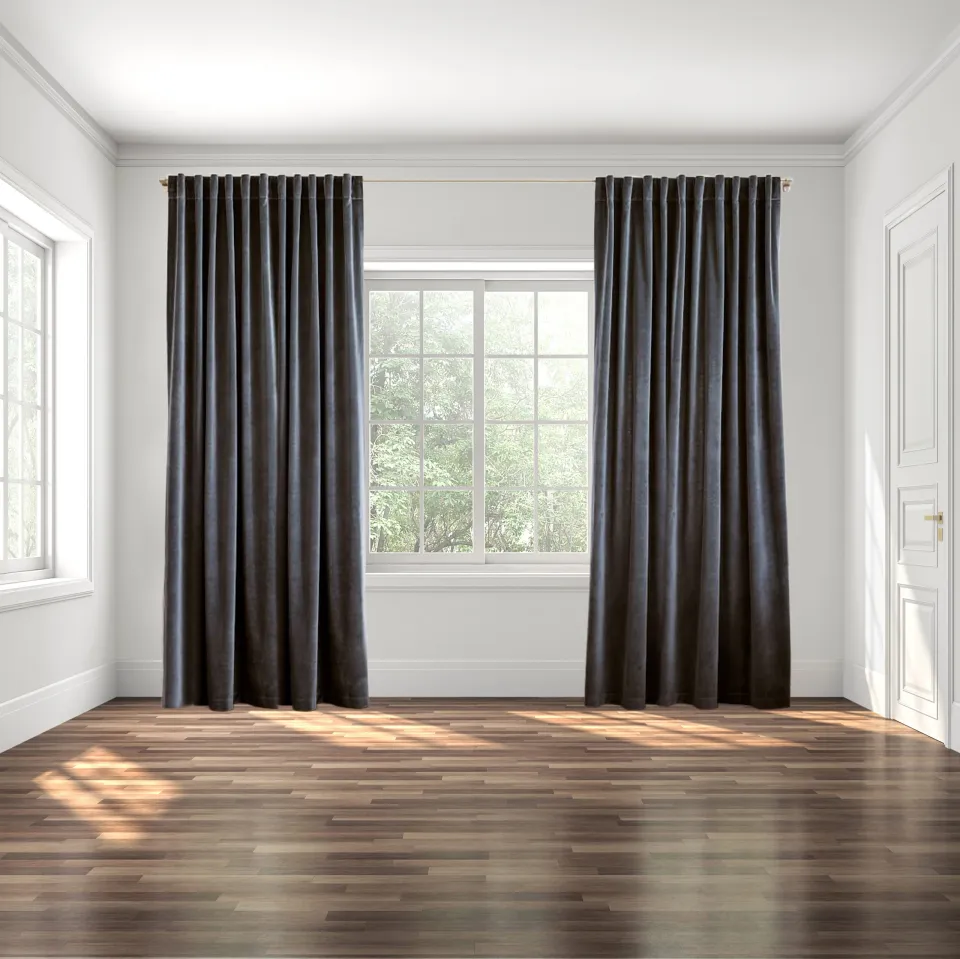
Here’s the cheapest upgrade you’ll ever make. Move your rod up. Mount it 4 to 10 inches above the window frame, or even halfway between the frame and the ceiling. Almost every 2026 hanging guide, from The Curtain to Curtarra, calls hanging the rod right on the frame the number one mistake people make. Lifting the rod lifts the eye. Your ceilings look taller and the whole room feels bigger, and you didn’t spend a dime.
2. Go Wide So Curtains Clear the Glass
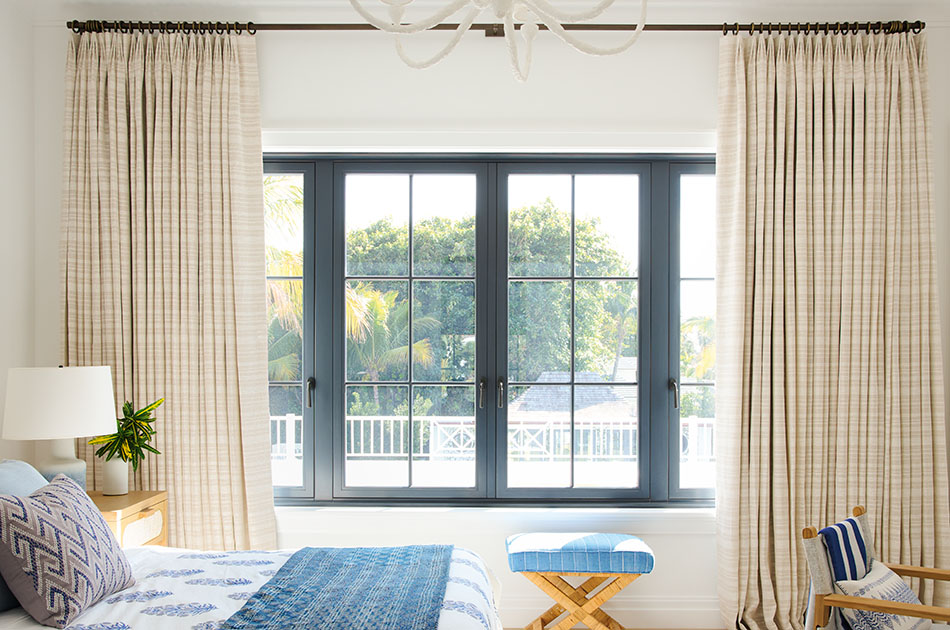
Most people buy a rod the exact width of the window. That’s a mistake. When the curtains open, they cover part of the glass and block your light. Instead, extend the rod 6 to 15 inches past the frame on each side. Now your panels stack on the wall, not the window. The window looks wider, and more daylight pours in. This pairs perfectly with hanging high, and learning how to hang curtains this way is the closest thing to a free room makeover.
3. Choose Floor-Kissing Length, Not Floods
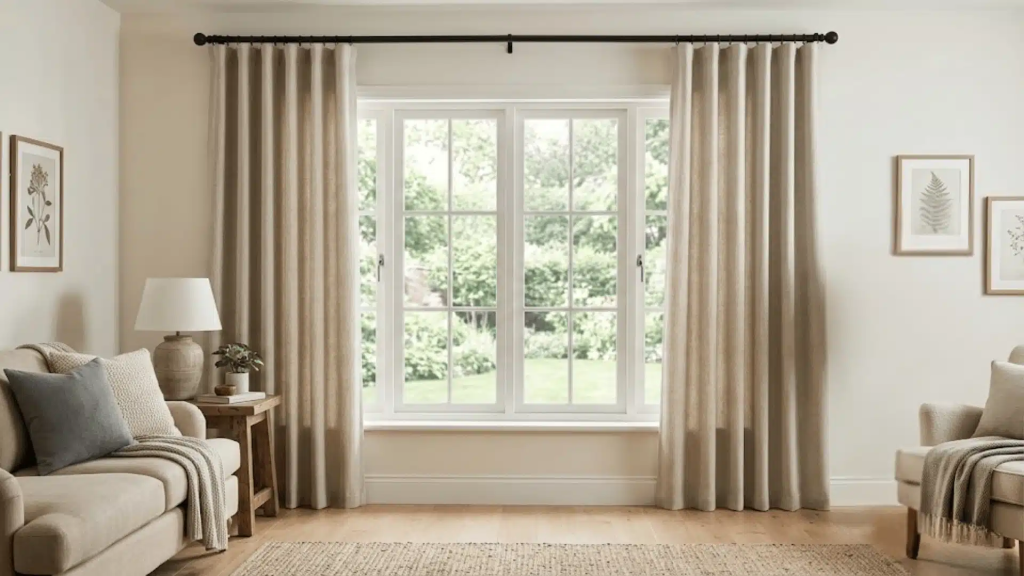
Short curtains are the fastest way to make a room look unfinished. If your panels stop at the windowsill or float halfway down the wall, the whole space reads as builder-basic. Your curtains should reach the floor. Aim for the hem to just kiss the ground, about half an inch off, or break gently against it. Skip the “flood” look where fabric hovers awkwardly mid-wall. Most ready-made panels come in standard lengths like 84, 96, and 108 inches, so measure from your new high rod down to the floor before you buy.
4. Get Proper Fullness With Enough Panels
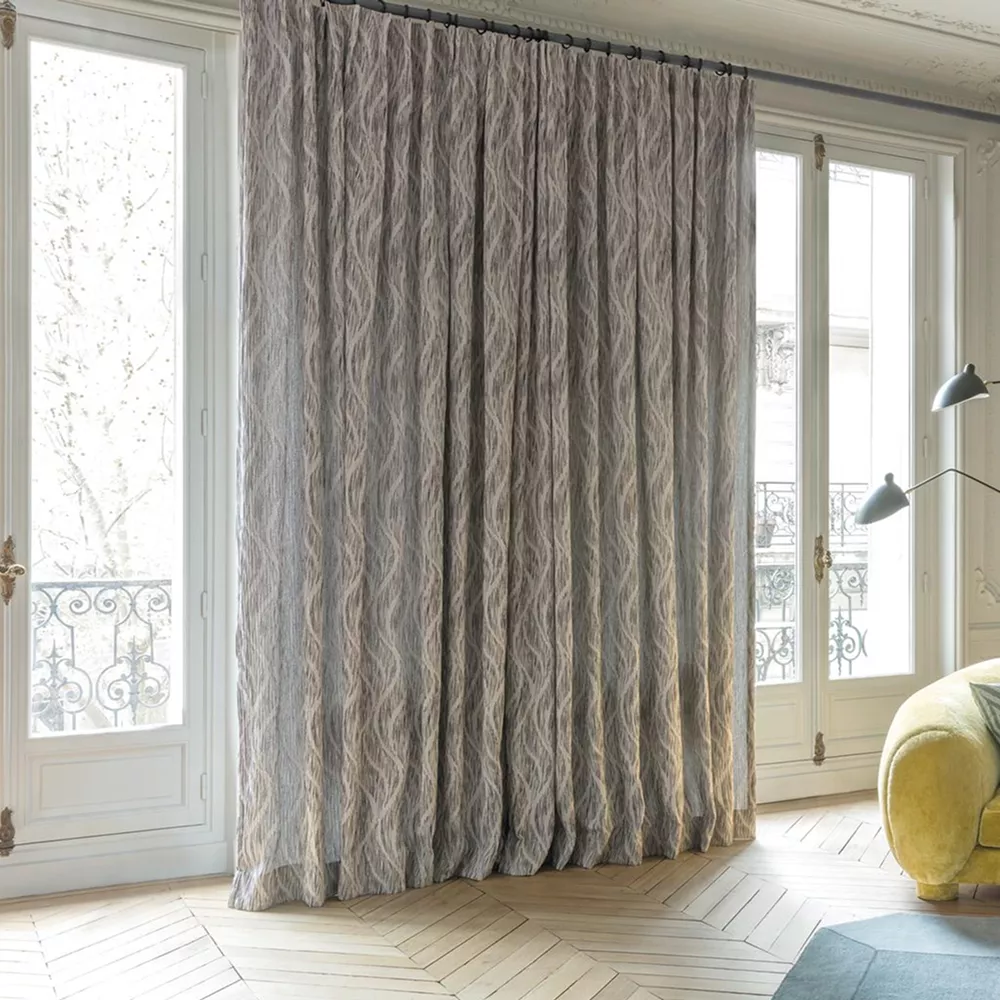
Ever stretch one skinny panel across a wide window? It looks flat and sad. The fix is fullness. Your total curtain width should be at least 1.5 to 2 times the width of your window. That usually means buying more panels than you think, or wider ones. When you close them, they should gather into soft folds, not pull tight like a flat sheet. This one detail separates curtains that look cheap from curtains that look like you planned them.
5. Steam Out the Packaging Creases
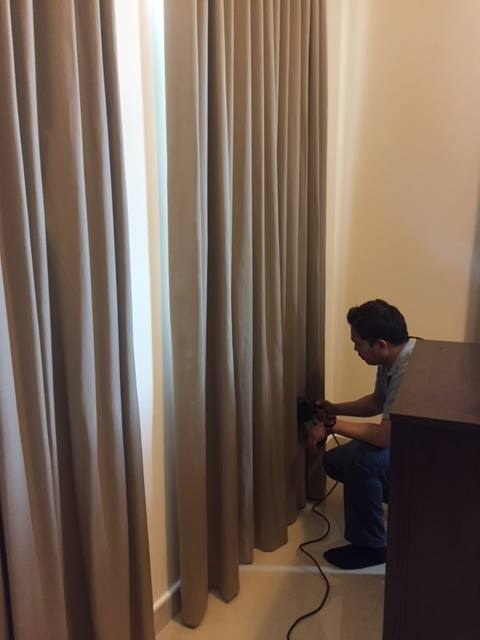
You spent money on new panels and they came folded in a tight plastic bag. Those hard crease lines scream “just unpacked.” Before you decide your curtains look cheap, steam them or let them hang for a few days to relax. A handheld steamer costs around $20 and pays for itself fast. Smooth fabric hangs straight and reads as quality, even on a budget panel. Don’t skip this step, it’s the easiest win on this whole list.
6. Use Tap-In Brackets to Skip the Drill
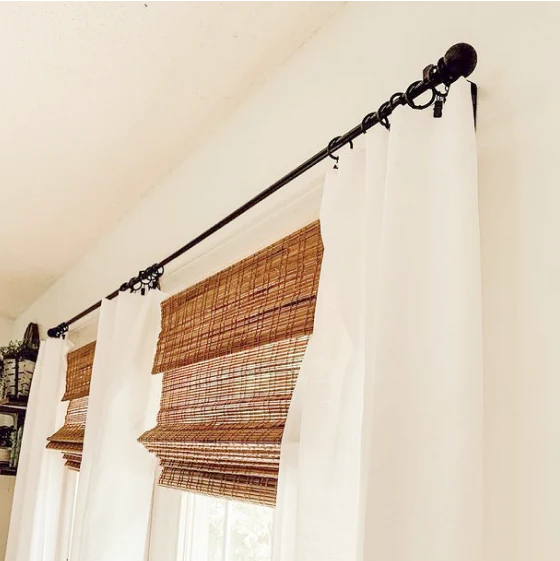
Renting? You don’t have to give up real curtains. Tap-in brackets, like the Kwik-Hang ones that run about $15, push into the window trim with light taps from a hammer. No drill, no big holes, no lost deposit. Homes & Gardens flagged these in their renter-friendly roundup, and they hold a standard rod in under a minute. For anyone who’s been propping up sad tension rods that fall down, this is the upgrade you’ve been waiting for.
7. Try a Tension Rod for Small or Recessed Windows
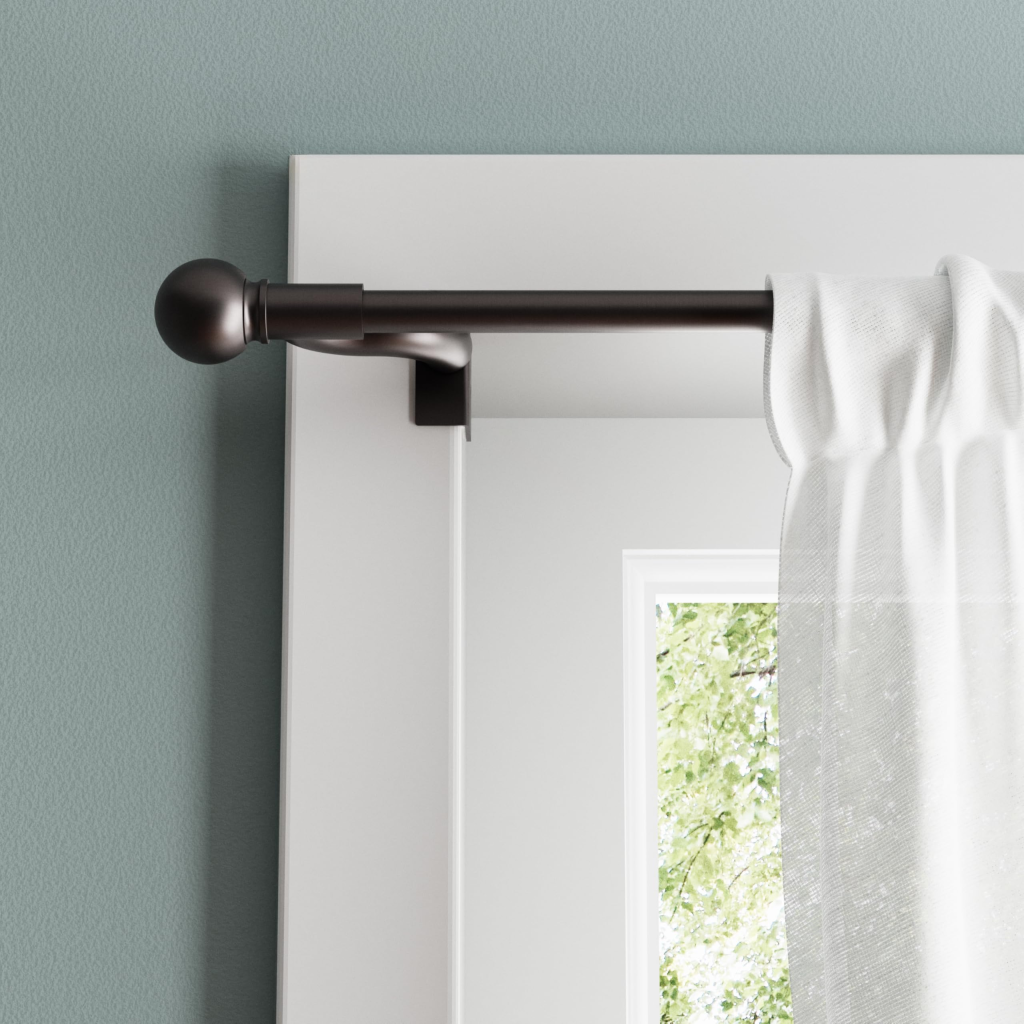
For small windows, recessed windows, or anywhere with two walls close together, a tension rod is your friend. It presses into place with pressure alone, no tools, starting around $11. Keep it light, though. Tension rods work great with sheer panels and lightweight cotton, but they sag or slip under heavy blackout fabric. Use them where they shine: a kitchen pass-through, a reading nook, or a narrow living room window that just needs a little softness.
8. Mount Adhesive No-Drill Rods for Wide Windows
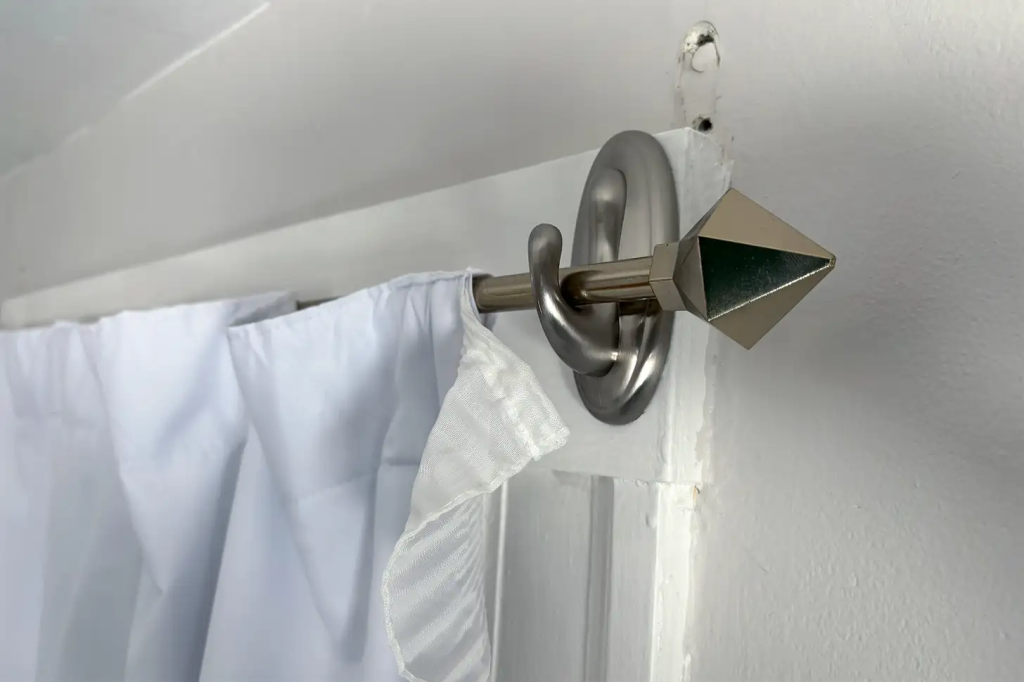
Got a wider living room window and still can’t drill? Adhesive-bracket curtain rods solve it. They stick on with strong mounting tape, no screws, and many adjust out to around 60 inches. You can find them at Walmart in the $11 to $20 range. Press the brackets firmly, wait the full cure time the box recommends before you load any weight, and keep your panels on the lighter side. This is how you get a finished window in a rental without touching a drill.
9. Stack a Cheap Sheer Behind a Bold Outer Panel
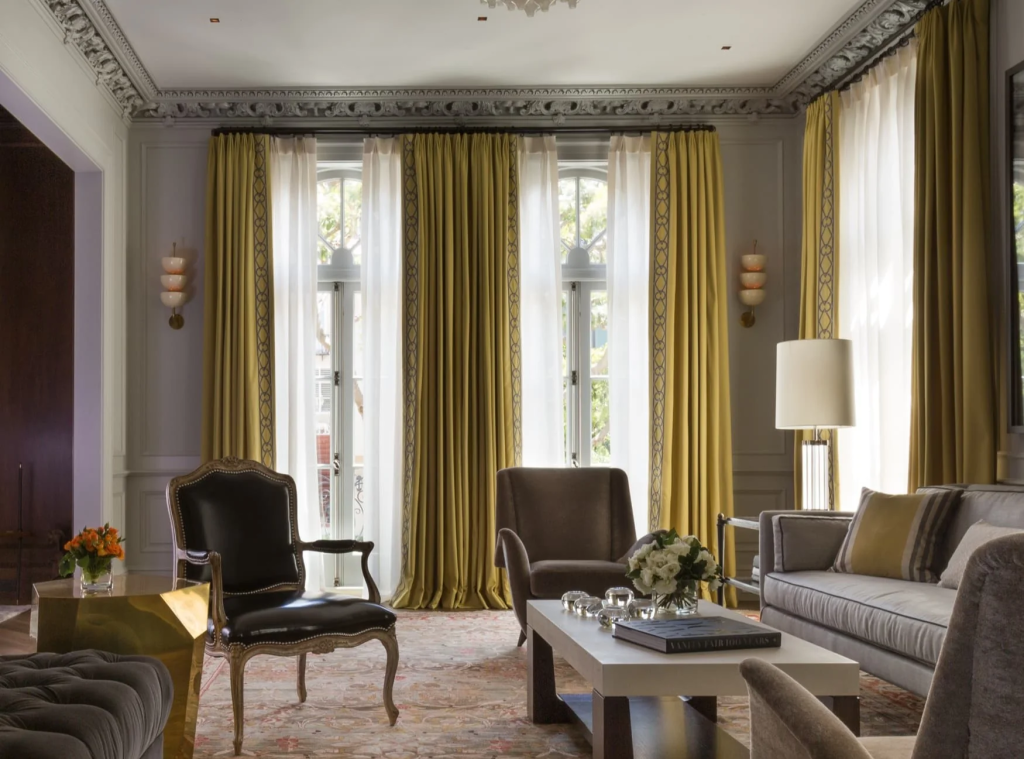
This is the single best trick for making a budget window look designer. Layering. Interior designer Lauren Robbins told Homes & Gardens that layering is her firm’s defining move for 2026, with sheers for soft light plus a separate panel for color and pattern. You can copy it for almost nothing. Put a $13 sheer on the inner rod and a bolder $30 panel on the outer one. The sheer filters daylight, the outer panel gives you privacy and personality at night, and together they look custom.
10. Match Your Rod Finish to Your Other Metals
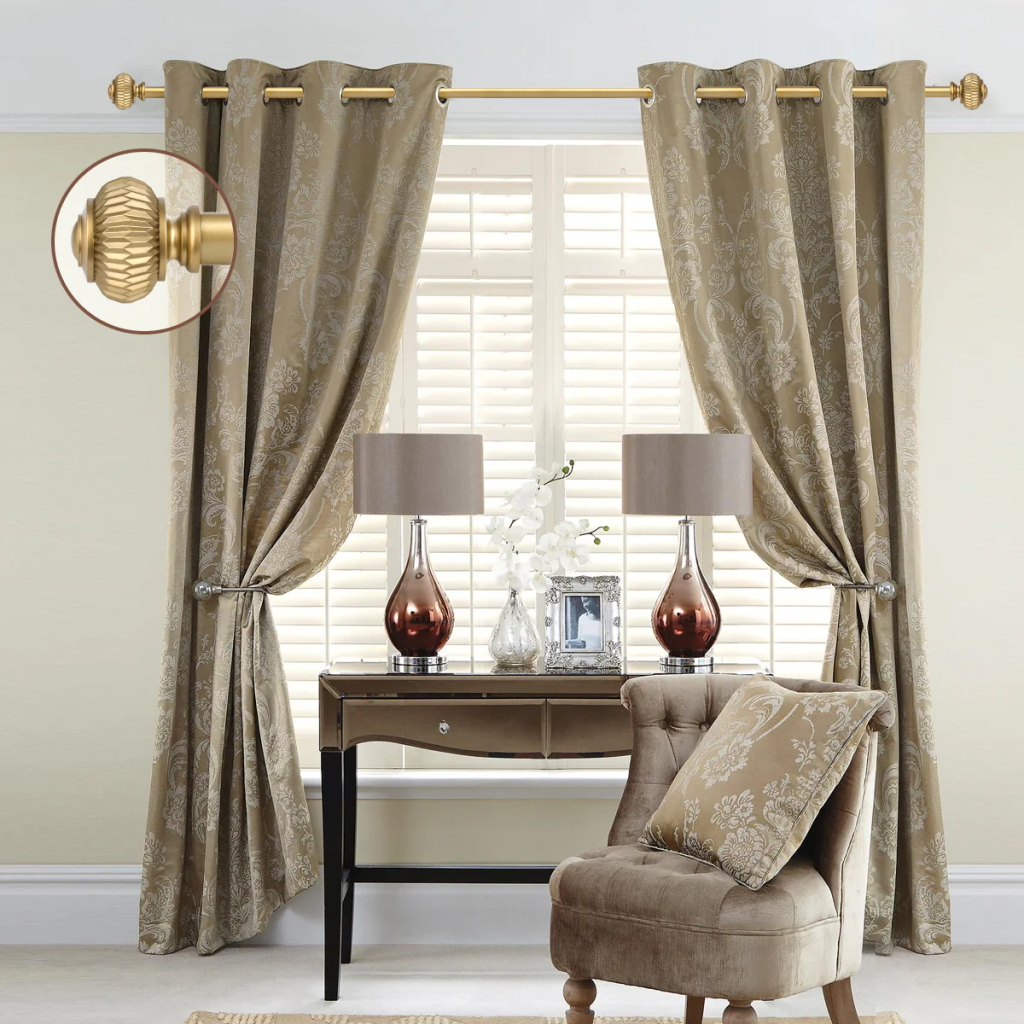
Small detail, big payoff. Look at the metal already in your room. The lamp bases, the cabinet pulls, the light fixtures. Then pick a curtain rod that matches. A brushed gold rod ties into warm fixtures. Matte black gives a clean, modern contrast. When your hardware speaks the same language, the room feels pulled together instead of pieced together from whatever was on sale. It costs the same as any other rod, you just choose on purpose.
11. Swap Cool Gray for Warm Earth Tones
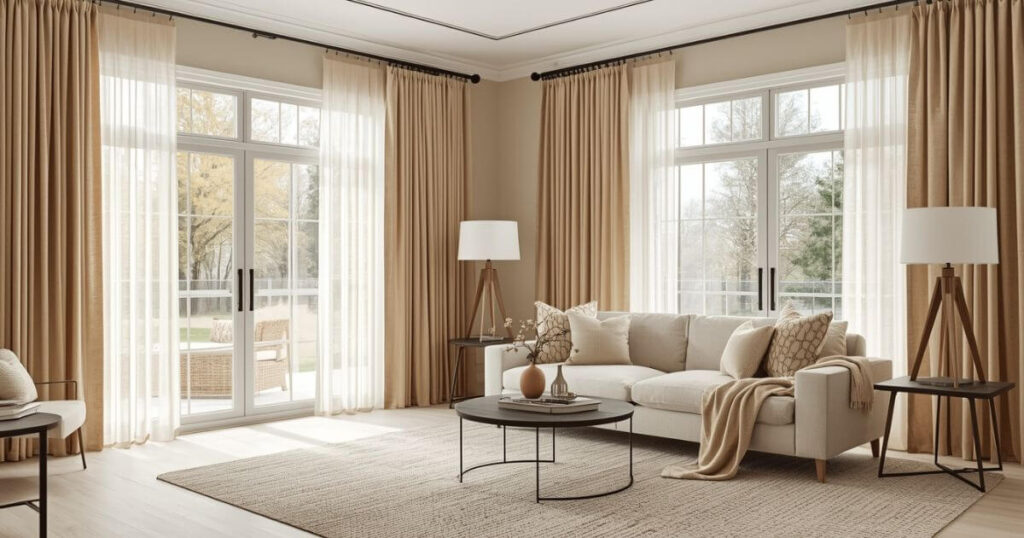
If you grabbed gray curtains because they felt safe, here’s the hard truth: gray is the look everyone’s moving away from. Hunker, Three Girls, and several other 2026 trend reports all flag cool gray as the shade designers are leaving behind. The replacement is warm. Think soft beige, sand, putty, and brown, which one report called “the new black.” Warm tones make a starter living room feel settled instead of cold. You don’t have to repaint anything, just switch the panels.
12. Try Terracotta, Ochre, or Olive for Real Color
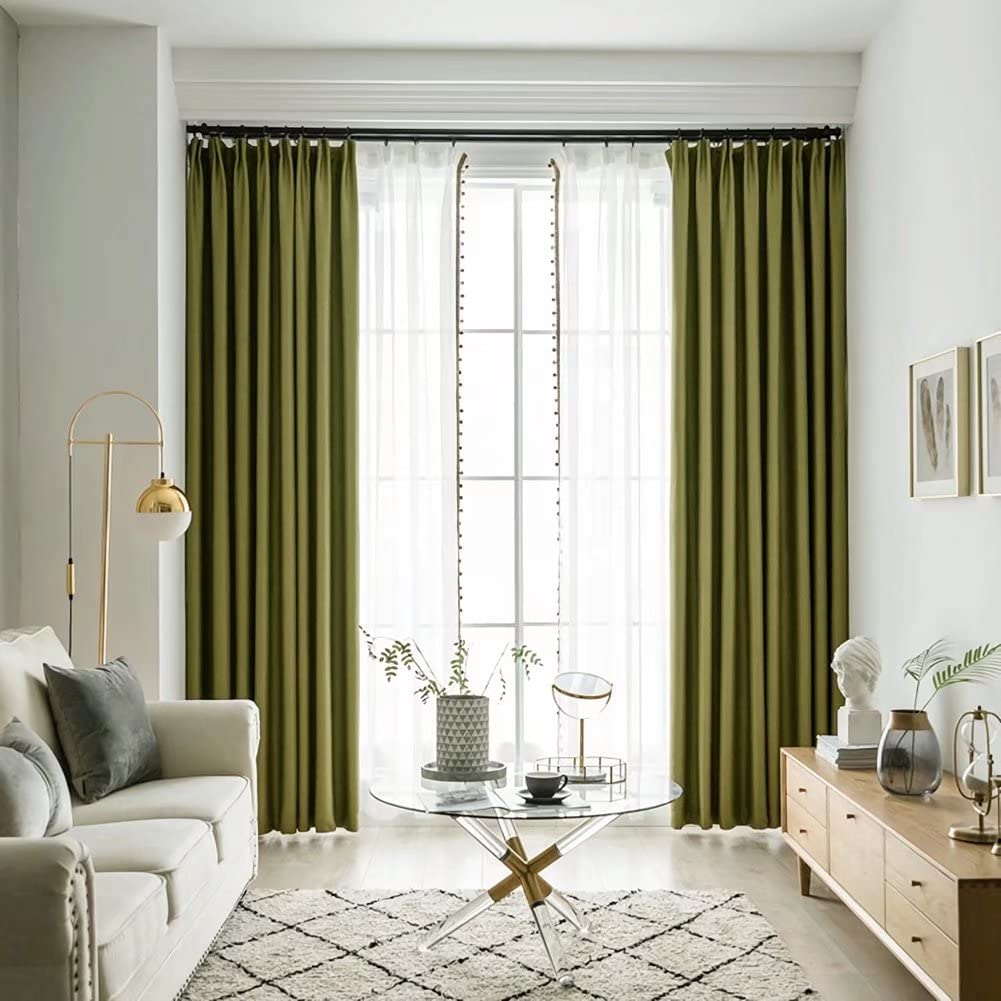
Ready to be braver than beige? The warm color story for 2026 runs into terracotta, ochre, and olive green. These shades read as current and full of character, and they still play nice with the wood and neutral furniture most starter homes already have. Olive curtains next to oak look effortless. Terracotta brings warmth without going loud. One colored panel can do more for a plain room than a whole cart of small decor. Start with the window and build out from there.
13. Add a Velvet Panel for Instant Depth
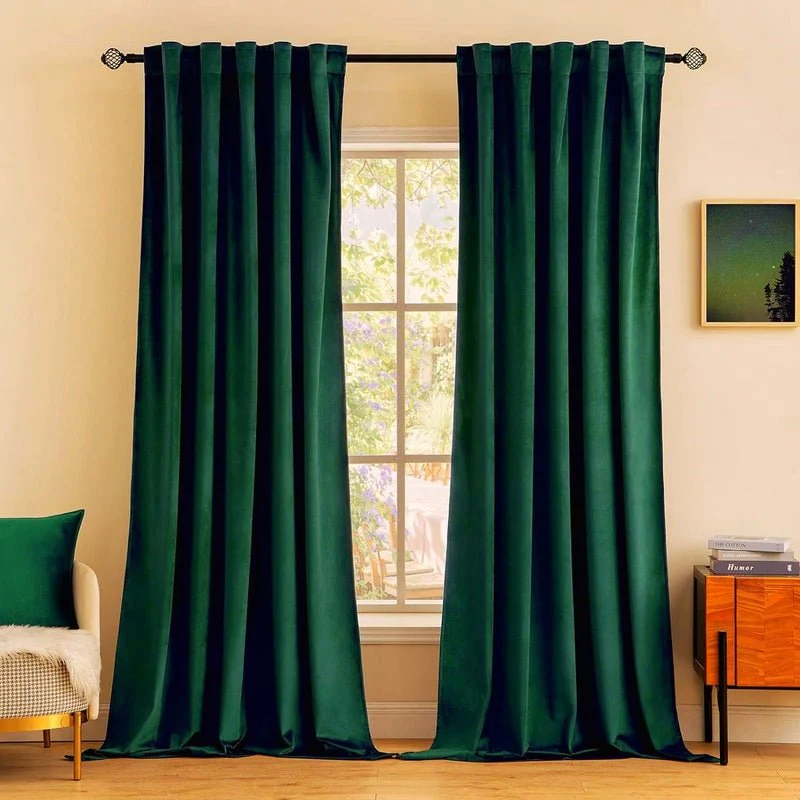
Want one curtain that does heavy lifting? Velvet. The plush texture catches light, softens sound, and makes everyday furniture look more high-end. It brings depth that flat cotton just can’t. You don’t need to velvet the whole room. Even a single pair on your main window adds richness. Look for deep, warm shades that fit the 2026 palette, like a muted green, a soft rust, or a warm brown. On a neutral sofa, velvet panels do a lot of quiet work.
14. Use Classic Stripes for Cheap Character
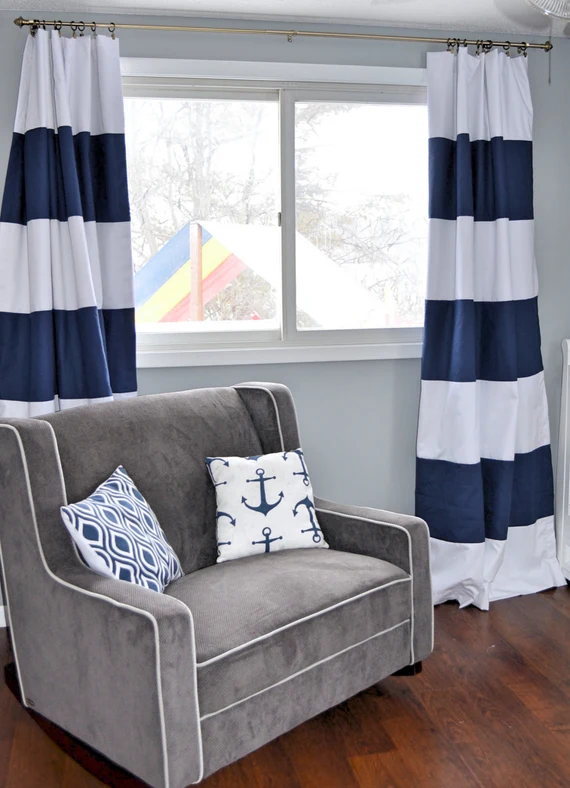
Stripes are an easy way to add personality without overwhelming a small room. Tori Murphy, a curtain company founder quoted in Homes & Gardens, says classic stripes add character without taking over a space. A vertical stripe does something useful too: it pulls your eye upward and makes the window feel taller, which is gold in a starter home with standard ceilings. Stripes also hide their budget origins well. A striped panel rarely looks cheap, even when it is.
15. Choose Texture Over Flat, Plain Fabric
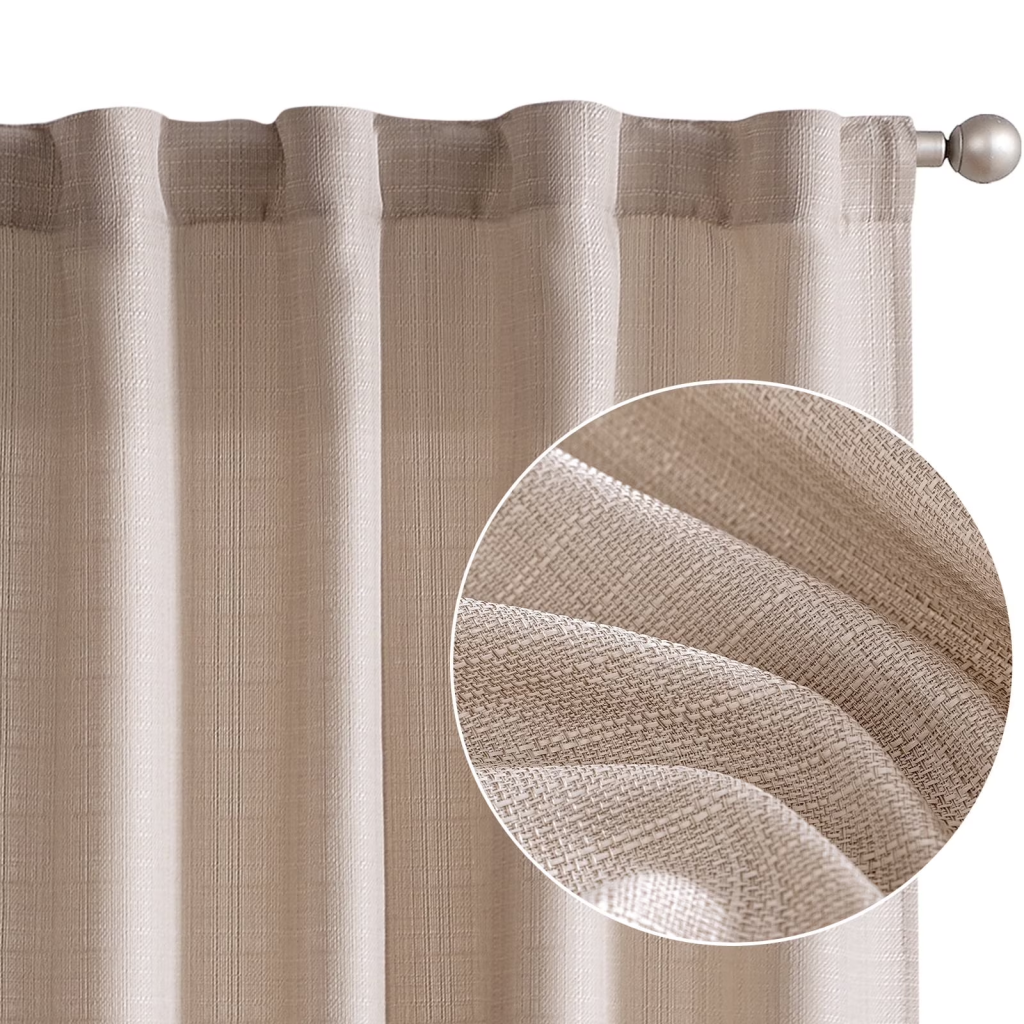
Here’s the surprising part. Plain, undecorated linen and simple cotton, the safe “tasteful” pick of the last few years, are now the thing that can make a room look basic. House Digest reported in early 2026 that designers are flagging plain linen and cotton as feeling dated. The fix isn’t spending more. Emily Mould of The Romo Group told Homes & Gardens to reach for chunky, irregular yarns and texture so the fabric adds depth instead of falling flat. Look for a slubby weave, a nubby cotton, or chenille. Texture reads as quality even on a cheap panel.
16. Add a Decorative Trim Along One Edge
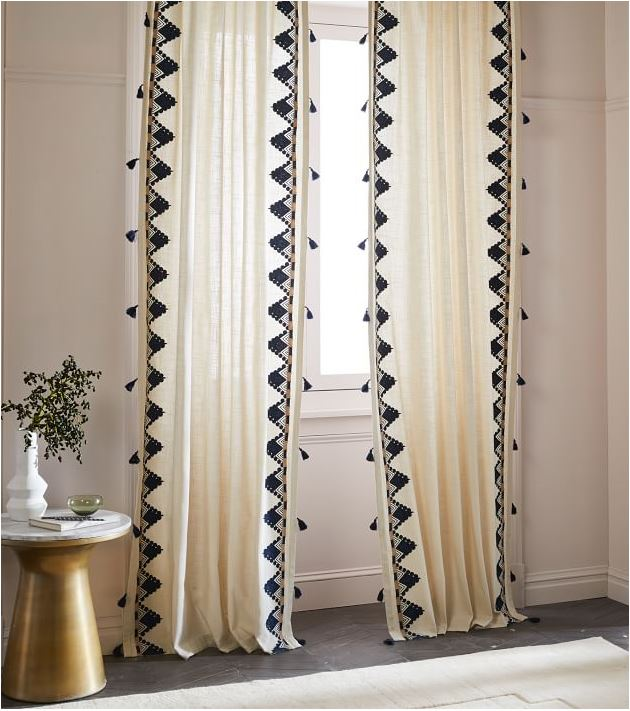
One of the smallest changes with the biggest visual payoff. Living Etc named decorative trims a key curtain finish for 2026, running along one edge or even bordering all four. You can buy iron-on or sew-in trim by the yard for a few dollars and run it down the leading edge of a plain panel. Suddenly your basic curtain looks like it was made for the room. Tori Murphy points to velvet piping or braided rope trim as the kind of detail that keeps a curtain feeling current.
17. Coordinate Curtain Fabric With a Pillow or Throw
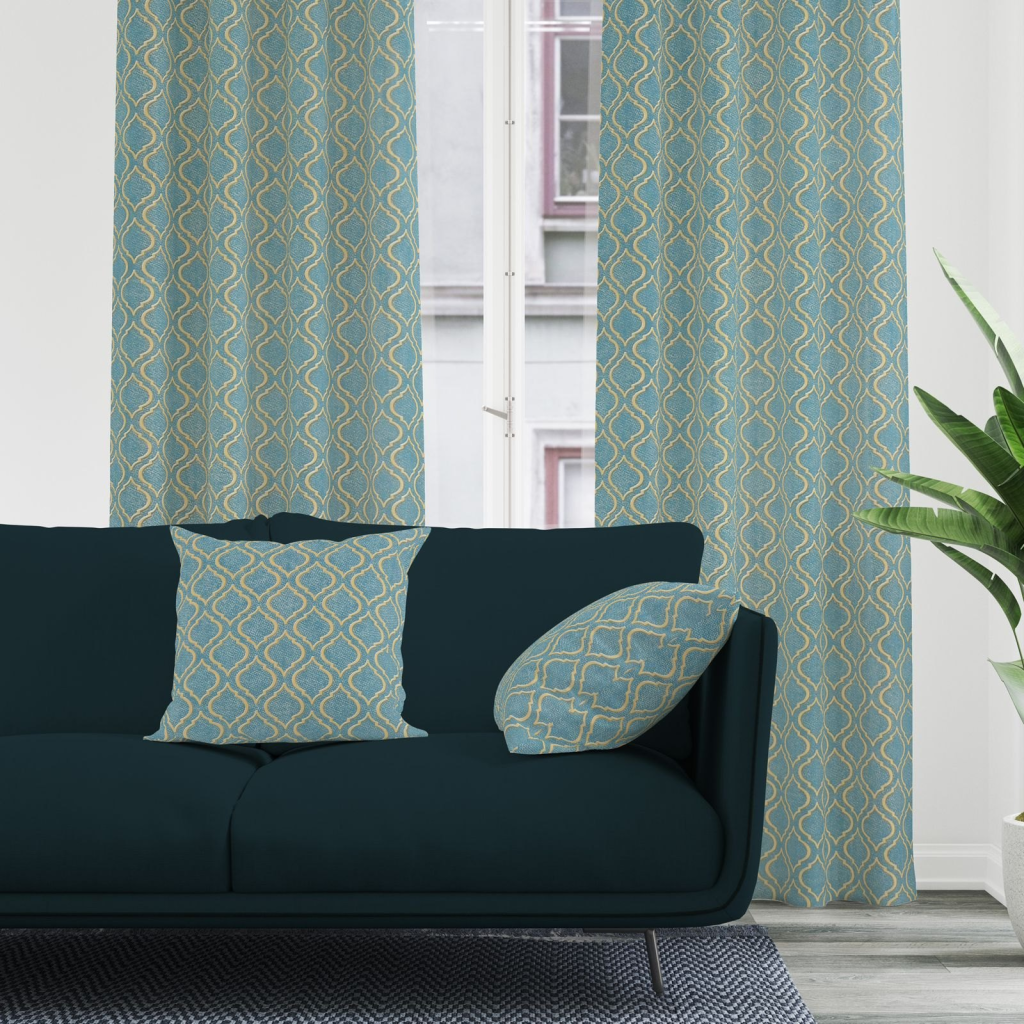
Want the room to look like a designer touched it? Repeat your curtain fabric somewhere else. Cath Beckett, co-founder of Yellow London, told Homes & Gardens that matching curtain fabric to a cushion, lampshade, or throw creates a look “rich in character.” You don’t need an exact match. Pull one color or pattern from your panels and echo it in a single cushion across the room. That small repeat makes a thrifted, pieced-together starter room feel like it was planned all along.
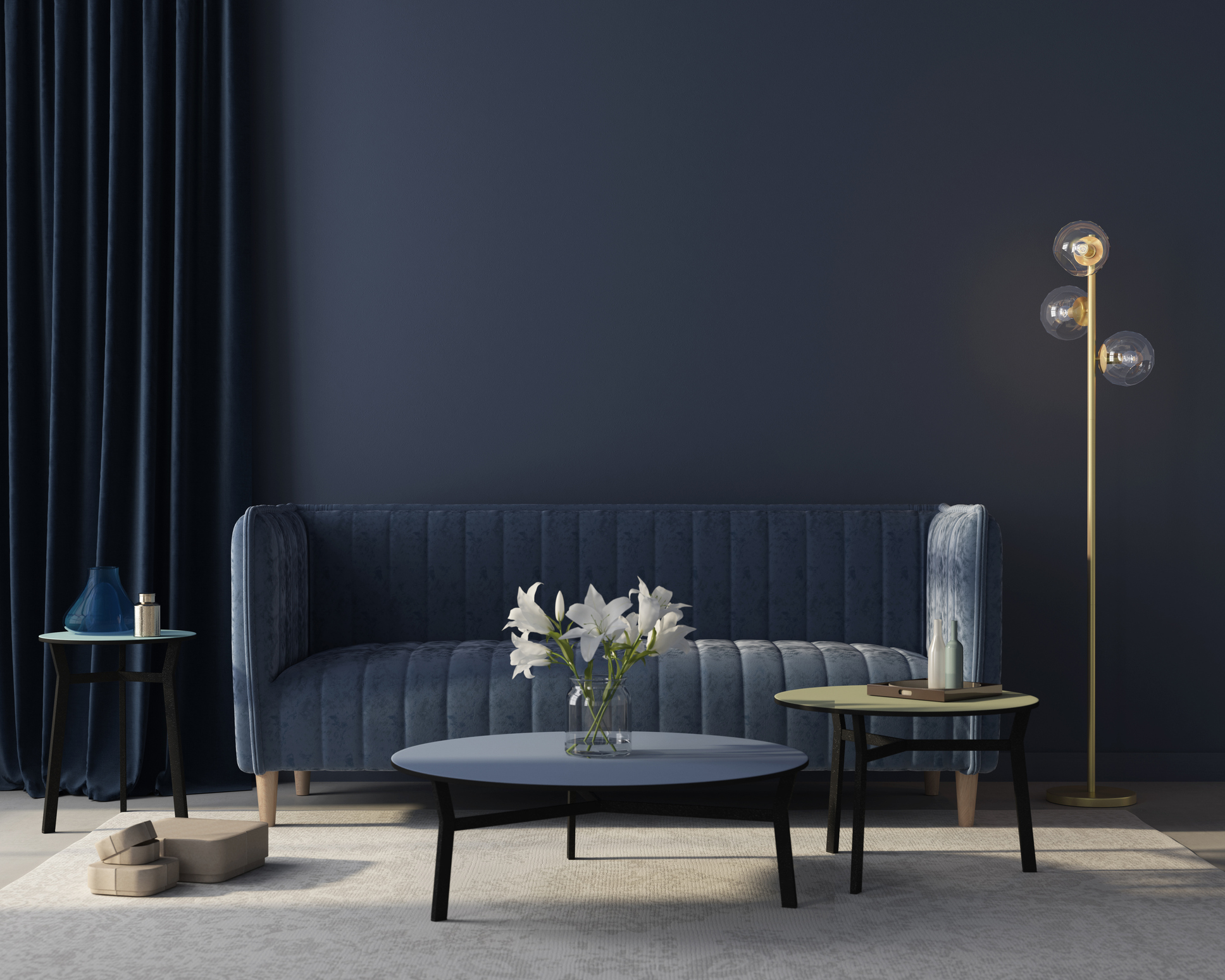
18. Match Drapes to Your Wall Color
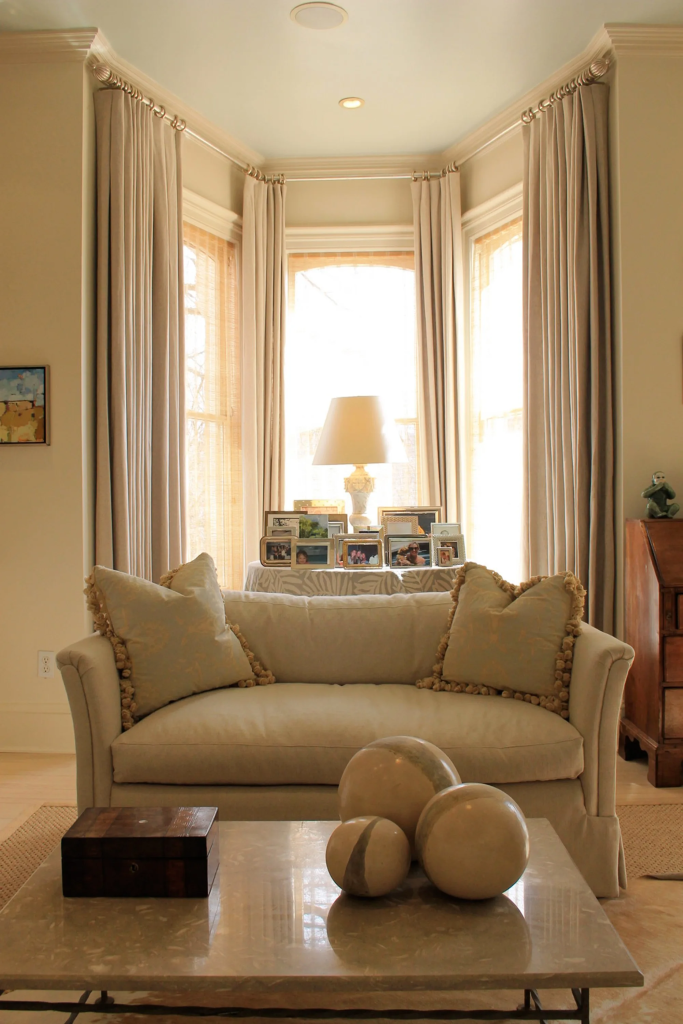
For a calm, expensive look, let your curtains sit close to your wall color. When the panels and the wall are in the same family, the window blends in softly and the room feels taller and more put-together. This is the opposite of a loud contrast, and in a small starter living room it works. Beckett also points out that coordinating your curtains with your wall or wallpaper builds a cohesive, layered feel. Pick a panel a shade or two off your wall, not a hard clash.
19. Color-Drench: Let Curtains Disappear Into the Room
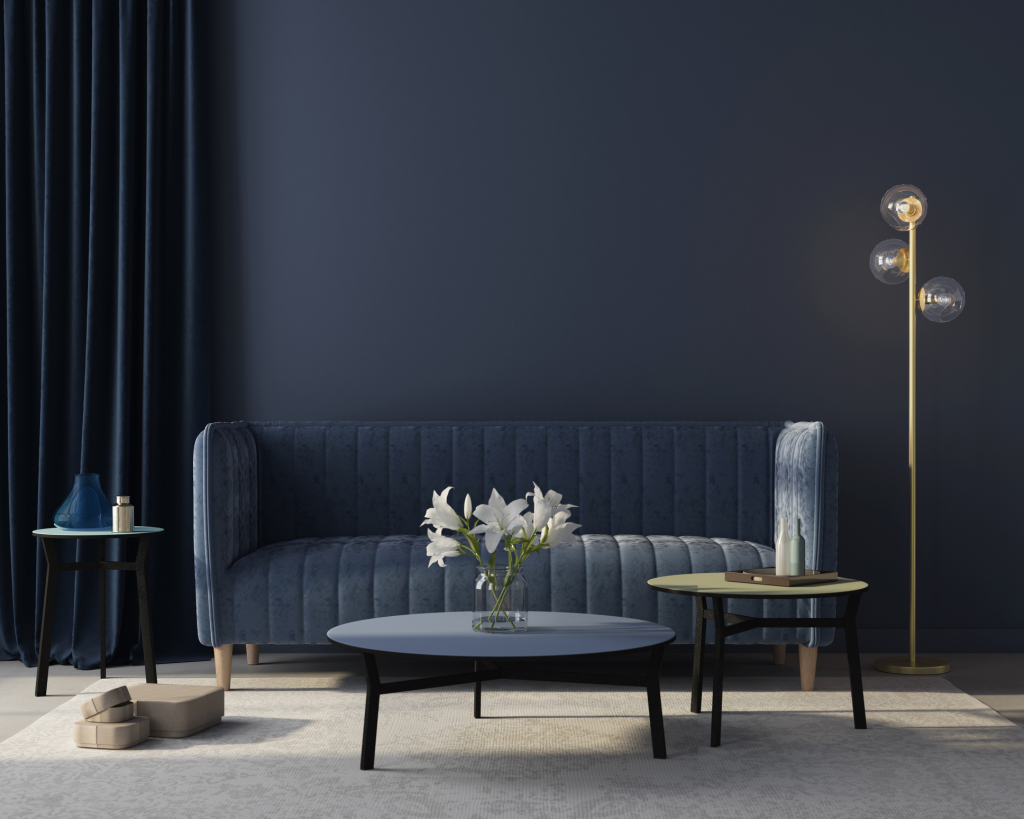
Color-drenching takes the tonal idea further. You use one shade across the walls, the trim, and the curtains so everything melts together. House Digest highlighted this as a 2026 way to make textured curtains feel like they’ve always belonged. It sounds bold, but it can be done cheaply if you’re already painting and just buy panels in the same family. The result feels intentional and grown-up. For a small room, drenching in one soft warm shade can actually make the space feel bigger and quieter.
20. Line Panels With a Contrast Stripe
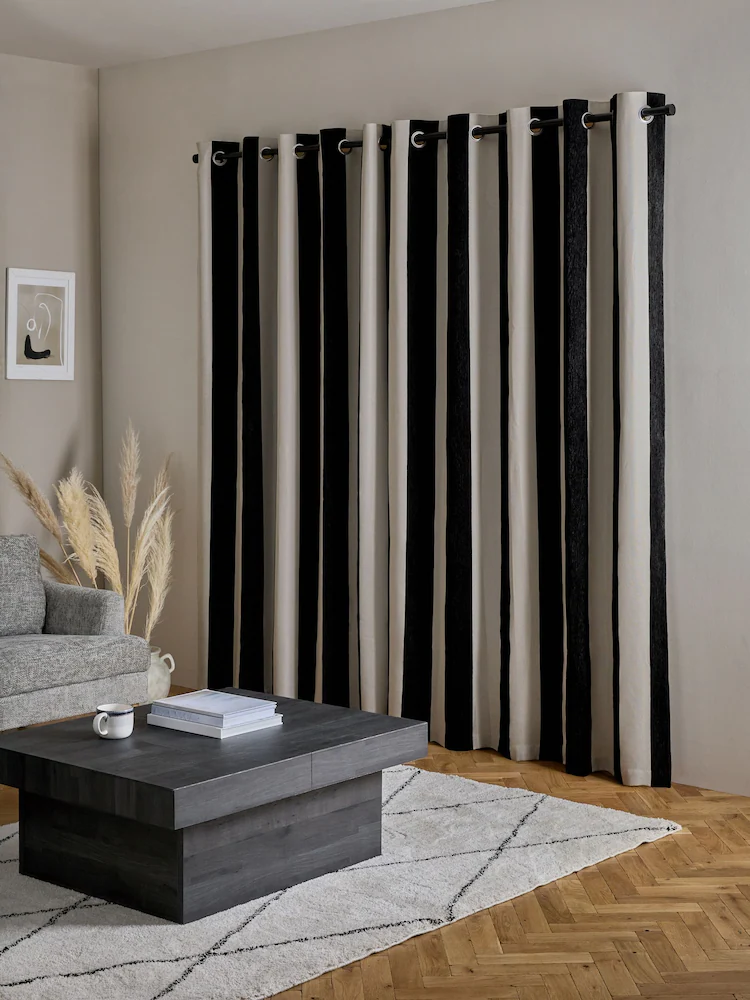
This is the hidden detail designers love. Line the inside of your curtain with a stripe or check fabric. When the panel moves or folds back, a flash of pattern shows through. Interior designer Lucy Marsh told Homes & Gardens she’ll specify a striped or contrasting lining so the curtain looks pretty from both sides, even from outside the house. On a budget, you can use a cheap striped flat sheet as the lining. It adds a hidden layer of personality that reveals itself when the curtain moves.
21. Get the Pelmet Look Without the Dated Valance
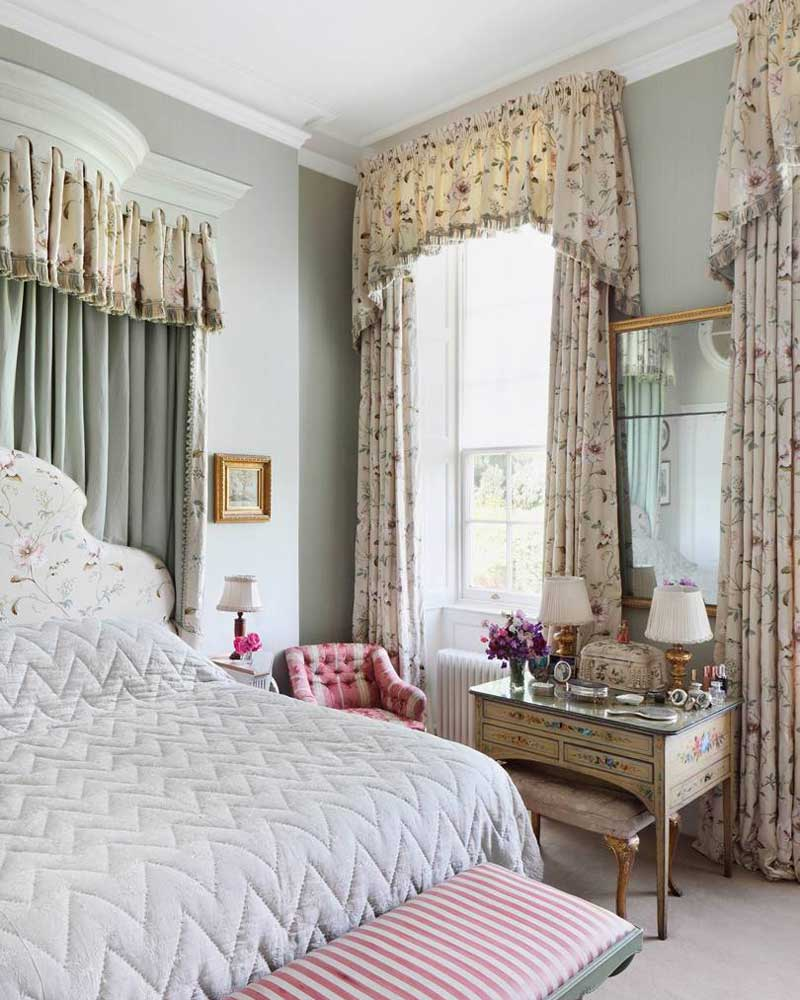
Pelmets are back for 2026. Homes & Gardens reported soft, gathered, and pleated pelmets returning as a way to frame tall windows and hide the curtain hardware. Here’s the key, though. The soft pelmet is in. The stiff, flat valance from your grandma’s house is out, and Hunker lists old valances as a trend to ditch this year. So aim for a soft gathered or pleated top, not a boxy board. It frames the window and makes a basic builder opening feel finished and grown-up.
22. Layer Sheers for Day, Drapes for Night
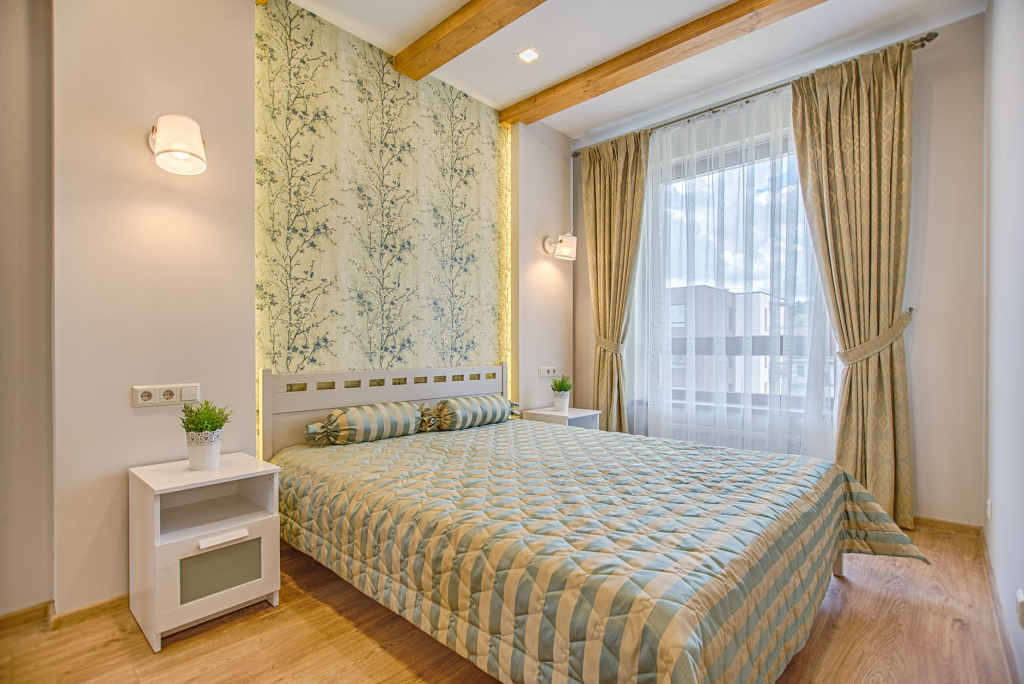
This idea earns its own spot because it solves a real starter-home problem: you want light during the day and privacy at night. A double rod fixes it. Hang sheers on the inner rod and heavier drapes on the outer one. Daytime, the sheers filter soft light and keep the room bright. Evening, you pull the drapes for privacy and a bit of insulation against drafty single-pane windows. Emily Mould of The Romo Group recommends exactly this pairing to add depth while keeping your light flexible.
Start With Three, Not Twenty-Two
You don’t need to do all of this. That’s the trap. Pick three changes and your living room will already look more expensive than it did this morning. Start with one free placement fix, like hanging your rod high and wide. Add one color or texture swap, like trading gray for a warm tone or layering in a sheer. Then grab one renter-friendly upgrade, like tap-in brackets so you can finally hang real curtains.
Your starter home doesn’t have to look like a starter home. The right living room curtain ideas work on a small budget and won’t cost you a deposit. Try the free placement tricks today, see the difference, and let that win pull you into the next one.